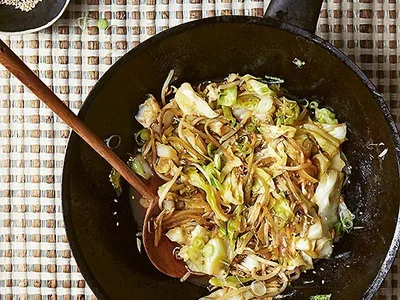
How to Peel and Mince Ginger
Peeling and mincing ginger turns the fibrous root into tiny pieces that release flavor evenly in your cooking. The technique removes the papery skin and breaks down the tough fibers into 1/8-inch pieces or smaller.
Why it matters
Fresh ginger delivers sharp, bright heat that ground ginger can't match. Mincing breaks cell walls to release volatile oils that infuse into sauces in under 30 seconds. Properly minced ginger melts into dishes without leaving chewy strings. You get 3 times more flavor from 1 tablespoon fresh ginger than 1 teaspoon ground.
What you need
Steps
Break off a 2-inch piece of ginger from the main root. Fresh ginger snaps cleanly with a crisp sound. Choose pieces with smooth, taut skin that feels firm when you squeeze. Wrinkled or soft spots mean old ginger.
Hold the ginger in your non-dominant hand. Scrape the edge of a teaspoon against the skin at a 45-degree angle. The papery brown skin peels away in thin strips. Work around knobs and curves. Stop when you see the pale yellow flesh underneath.
Slice the peeled ginger into 1/8-inch thick coins using your chef's knife. Cut against the grain, perpendicular to the visible fibers. You'll hear a slight crunch as the knife goes through. Stack 3-4 coins at a time.
Cut the stacked coins into 1/8-inch matchsticks. Line up your cuts parallel to the fibers this time. Keep your fingertips curled back. The matchsticks should be uniform in width.
Turn the matchsticks 90 degrees. Rock your knife through them to create tiny cubes about 1/8-inch or smaller. Use the heel of the knife to crush any larger pieces. The ginger releases its sharp aroma as you mince. Properly minced ginger looks like coarse sand.
Gather the minced ginger with your knife blade. Transfer to a small bowl. One tablespoon of minced ginger equals about a 1-inch piece of whole root. Use within 15 minutes for strongest flavor, or cover tightly and refrigerate for up to 3 days.
Common Mistakes
Using a vegetable peeler on ginger
What happens: Removes too much flesh and wastes 30% of usable ginger
Fix: Use a spoon edge to scrape only the thin skin layer
Cutting with the grain instead of against it
What happens: Creates long stringy pieces that won't break down in cooking
Fix: First cuts should be perpendicular to visible fiber lines
Mincing ginger while it's cold from the fridge
What happens: Hard ginger splinters instead of cutting cleanly
Fix: Let ginger sit at room temperature for 20 minutes before cutting
Using dull knife
What happens: Crushes fibers and releases bitter compounds instead of clean cuts
Fix: Sharpen knife until it slices paper easily
Troubleshooting
Ginger fibers stick to knife and won't release
Then: Wipe knife blade with damp paper towel every 5-6 cuts to remove sticky residue
Minced pieces are uneven sizes
Then: Group larger pieces together and give them extra passes with rocking knife motion
Hands smell like ginger after prep
Then: Rub hands with 1 teaspoon salt for 30 seconds, then wash with soap
Related Techniques
FAQ
How much minced ginger equals one inch of fresh root?
One inch of peeled ginger root yields about 1 tablespoon minced. A 3-inch piece gives you 3 tablespoons. Most recipes calling for fresh ginger use 1-2 tablespoons. Buy a 4-inch knob to have extra for multiple dishes. Store unused portions wrapped in paper towel inside a plastic bag for up to 3 weeks in the crisper drawer.
Can I freeze minced ginger?
Yes, freeze minced ginger in 1-teaspoon portions using an ice cube tray. Add 1/2 teaspoon water to each compartment to prevent freezer burn. Once frozen solid after 2 hours, pop out cubes and store in freezer bags for up to 6 months. Frozen cubes go straight into hot oil or liquid without thawing. The texture softens slightly but flavor stays strong.
What's the difference between young and mature ginger?
Young ginger has pink tips, translucent skin, and mild flavor with no fiber strings. It needs no peeling and minces easily. Mature ginger has brown skin, yellow flesh, and pronounced fibers running lengthwise. Young ginger costs 3 times more but saves prep time. Mature ginger delivers stronger heat and keeps 4 times longer in the fridge.
Should I remove the ginger skin for tea or stocks?
Keep the skin on when making tea or stock. The skin contains flavor compounds that steep out over 20-30 minutes of simmering. Wash the ginger and slice into 1/4-inch rounds with skin intact. For eating applications like stir-fries, always peel first since the skin stays tough and bitter even after cooking.
Recipes Using This Technique

Tikka Masala Chicken Pasta with Cream Sauce
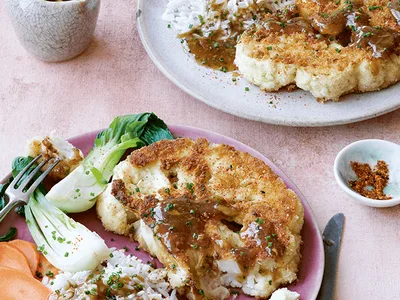
Paneed Cauliflower Steaks with Lemon Ginger Sauce
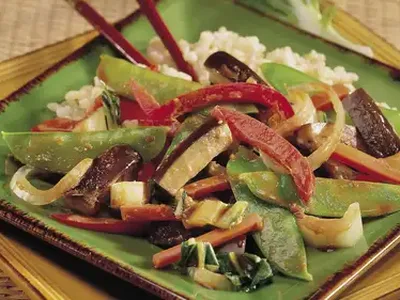
Steamed Chinese Vegetables with Peanut Hoisin Sauce over Brown Rice
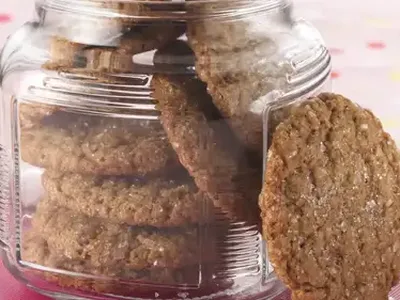
Sugary Gingerbread-Oat Chews - Soft Spiced Cookies
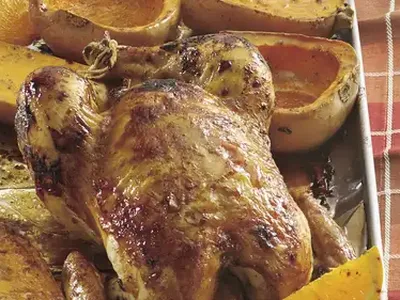
Teriyaki Orange Glazed Roast Chicken with Butternut Squash