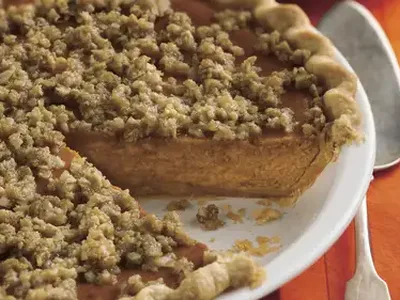
How to Sharpen a Kitchen Knife
Sharpening removes metal from a knife's edge to create a new, acute angle between 15 and 20 degrees. The process grinds away dull steel to expose fresh metal that can slice cleanly through food.
Why it matters
A sharp knife cuts through tomato skin in one stroke instead of crushing the flesh. It needs 5 pounds of pressure to slice while a dull knife needs 20 pounds. Sharp knives reduce prep time by 40 percent. They also prevent hand fatigue and accidental slips that cause most kitchen injuries.
What you need
Steps
Soak your whetstone in room temperature water for 5 to 10 minutes until no more air bubbles rise to the surface. Place the stone on a damp towel with the 1000 grit side facing up. The coarse grit feels like fine sandpaper when you run your finger across it.
Color the knife's edge with permanent marker from heel to tip. Hold the knife at a 15 to 20 degree angle against the stone, which equals the height of two stacked quarters under the spine. The marker helps you see where metal removes during sharpening.
Start at the heel of the blade. Push the knife forward and across the stone while maintaining your angle, moving from heel to tip in one smooth motion. Apply 4 to 6 pounds of pressure, about the weight of pressing an elevator button. Listen for a consistent scratching sound like sandpaper on wood.
Count 20 strokes on one side. The marker should wear off evenly along the entire edge. Flip the knife and repeat 20 strokes on the opposite side. Add water every 5 strokes when the stone looks dry and sounds higher pitched.
Switch to the 6000 grit side after the edge feels slightly rough when you carefully run your thumb perpendicular across it. This fine side feels smooth like wet glass. Repeat 10 strokes per side with 2 pounds of pressure, just the weight of the knife itself.
Test sharpness by slicing through a sheet of newspaper held vertically. A sharp knife cuts straight down without tearing. The paper should fall in two clean pieces. Your knife should also shave arm hair with zero pressure when held at a 30 degree angle.
Common Mistakes
Changing your angle mid-stroke
What happens: Creates a rounded edge that won't cut properly
Fix: Lock your wrist and move from your shoulder to maintain a consistent 15 to 20 degree angle
Using too much pressure on the stone
What happens: Removes excess metal and shortens knife lifespan by 50 percent
Fix: Apply only 4 to 6 pounds of pressure on coarse grit, 2 pounds on fine grit
Sharpening a dirty or wet knife
What happens: Food particles create an uneven edge and rust forms within 2 hours
Fix: Wash and completely dry your knife before sharpening
Skipping the fine grit stone
What happens: Leaves microscopic teeth that dull within 3 days of use
Fix: Always finish with 6000 grit or higher to polish the edge
Troubleshooting
If the knife won't slice paper after sharpening
Then: Your angle was too steep. Re-sharpen at 15 degrees using the two-quarter height guide and check that marker removal is even
If the stone develops a dip in the middle
Then: Flatten it by rubbing against 220 grit sandpaper on a flat surface for 30 seconds, rotating the stone 90 degrees every 10 seconds
If you see metal flakes in the water
Then: You're pressing too hard. Reduce pressure to 4 pounds and slow your stroke speed to 2 seconds per pass
Related Techniques
FAQ
How often should I sharpen my knives?
Home cooks need sharpening every 6 to 12 months with normal use of 30 minutes daily. Professional chefs sharpen weekly after 8 hours of daily cutting. Test your knife monthly by slicing a ripe tomato. When it crushes instead of slicing cleanly, sharpen within 7 days. Hone with a steel rod every 3 uses to extend time between sharpening sessions to 10 months.
What grit stones do I need?
Start with a 1000/6000 combination stone for 90 percent of sharpening needs. The 1000 grit removes metal to restore geometry while 6000 grit polishes to a mirror finish. Extremely dull knives with chips need 400 grit first, adding 15 minutes to the process. Japanese knives benefit from finishing on 8000 grit. Each grit level removes scratches from the previous, like sanding wood from 120 to 220 to 400 grit paper.
Can I sharpen serrated knives on a whetstone?
Serrated knives require a different approach. Each serration needs individual attention with a 600 grit ceramic rod held at 13 to 17 degrees. Work only the beveled side, usually the right side, with 5 strokes per serration. A 9-inch bread knife has 33 serrations, taking 12 minutes total. Whetstones will destroy the serration pattern in 30 seconds of contact.
How do I know the correct angle?
Most Western knives need 20 degrees per side while Japanese knives use 15 degrees. Stack two quarters under the knife spine for 15 degrees, three quarters for 20 degrees. The knife spine should sit 0.5 inches above the stone for every 3 inches of blade width. Mark the edge with Sharpie and check that it wears evenly after 5 strokes.
Recipes Using This Technique
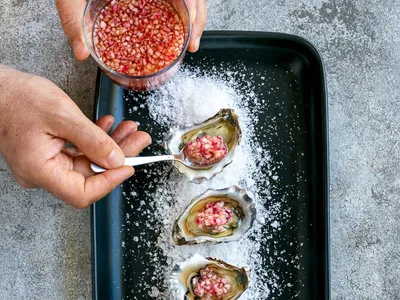
Oyster Mignonette with Red Wine Vinegar

Roasted Eggplants with Feta and Tomato Sauce
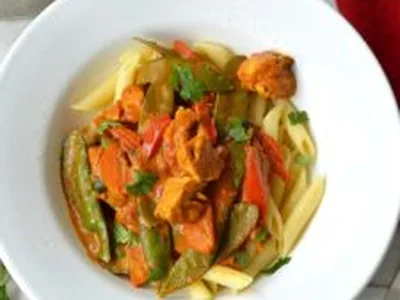
Tikka Masala Chicken Pasta with Cream Sauce
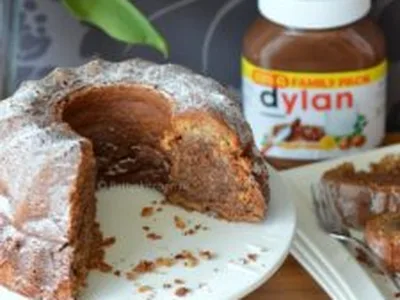
Banana Nutella Marble Bundt Cake

Sky-High Salted Caramel Chocolate Cupcakes with Pecan Pretzel