How to Zest Citrus
Zesting removes the colorful outer layer of citrus peel without the bitter white pith underneath. This thin layer contains aromatic oils that add bright flavor to dishes without extra liquid.
Why it matters
Zest packs 5 times more citrus flavor than juice alone. The oils release instantly when grated, giving immediate aroma to batters, doughs, and sauces. Unlike juice, zest adds flavor without changing moisture levels in baking. A teaspoon of zest turns bland dishes into something that tastes fresh.
What you need
Steps
Wash citrus under cold water for 20 seconds. Dry completely with a towel. Wet fruit slips in your hand and produces mushy zest instead of fine shreds.
Hold the microplane at 45 degrees over your bowl. Grip the citrus firmly in your other hand. You need steady pressure.
Draw the fruit down the grater using 2 pounds of pressure, about the weight of a full water bottle pressing down. Move in one direction only. The zest should fall in tiny, dry curls that look like colorful sawdust.
Rotate the fruit 1/8 turn after each stroke. Stop when you see white pith. The color change from bright yellow or orange to pale white tells you to move to a fresh section.
Continue until you've zested the entire fruit or have the amount needed. One medium lemon yields 1 tablespoon zest. One medium orange gives 2 tablespoons.
Tap the back of the grater sharply 3 times to release stuck zest. Use a dry pastry brush to sweep out remaining bits from the holes.
Use zest immediately or store in an airtight container. Fresh zest stays potent for 3 days refrigerated or 6 months frozen. The aroma fades fast once grated.
Common Mistakes
Zesting into the white pith
What happens: Adds bitter flavor that ruins desserts and sauces
Fix: Stop the moment color changes from bright to pale
Using old, dry citrus
What happens: Produces 70% less zest and weak flavor
Fix: Choose fruit that feels heavy for its size with taut, shiny skin
Pressing too hard while zesting
What happens: Tears through to pith and creates large, wet chunks instead of fine shreds
Fix: Use consistent 2-pound pressure and let the grater do the work
Moving the grater back and forth
What happens: Creates mushy paste instead of distinct shreds
Fix: Always move fruit in one direction only, top to bottom
Troubleshooting
If zest comes out in large strips instead of fine shreds
Then: Your grater holes are too large. Switch to a microplane with holes under 2mm or use the finest side of a box grater
If barely any zest comes off despite pressure
Then: Your citrus is too cold. Let it sit at room temperature for 30 minutes. Cold oils don't release properly
Related Techniques
FAQ
How much zest does one citrus fruit produce?
A medium lemon yields 1 tablespoon of zest. A medium lime gives 2 teaspoons. A medium orange produces 2 tablespoons. A large grapefruit provides 3 tablespoons. These amounts assume you zest the entire fruit. Most recipes need just 1 to 2 teaspoons, so one fruit often covers multiple dishes.
Can I zest citrus ahead of time?
Fresh zest loses 50% of its aroma within 2 hours at room temperature. Store it in an airtight container for up to 3 days refrigerated. For longer storage, freeze zest in ice cube trays with 1 tablespoon per cube. Frozen zest keeps its potency for 6 months. Add frozen zest directly to hot dishes or let it thaw for 5 minutes before using in cold preparations.
What's the difference between a microplane and other graters?
A microplane has razor-sharp holes under 2mm wide that shave off paper-thin curls. Box graters have 4mm holes that tear rather than slice, producing wet, chunky pieces. A microplane costs $12 to $20 and creates 3 times more volume from the same amount of fruit. The fine texture releases oils instantly when added to food.
Should I buy organic citrus for zesting?
Conventional citrus gets sprayed with up to 12 different pesticides that concentrate in the peel. Washing removes only 30% of residue. If you zest frequently, spend the extra $0.50 per pound on organic. For occasional use, scrub conventional fruit with baking soda and rinse for 45 seconds under hot water.
Recipes Using This Technique
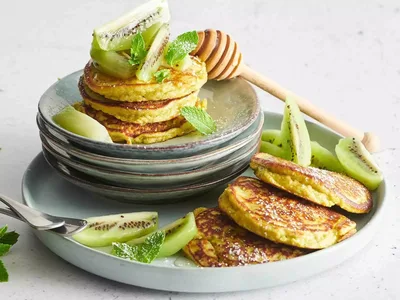
Flourless Avocado Pancakes with Kiwi
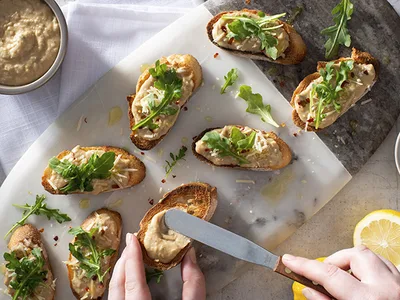
Garlicky White Bean Crostini with Arugula
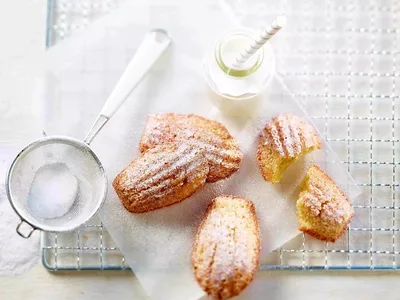
Gluten-Free Vanilla Madeleines with Almond
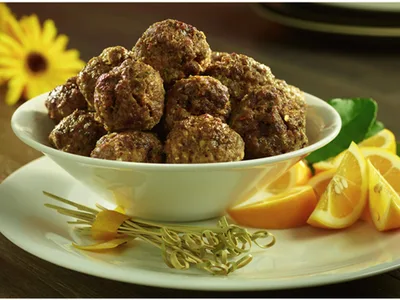
Lemon Zest Beef Meatballs, Oven-Baked
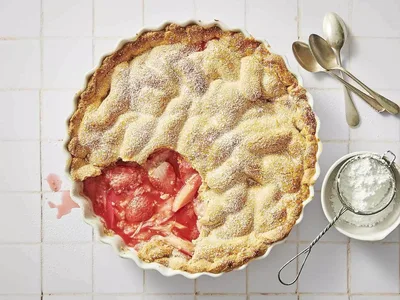
Gluten-Free Rhubarb and Strawberry Pie