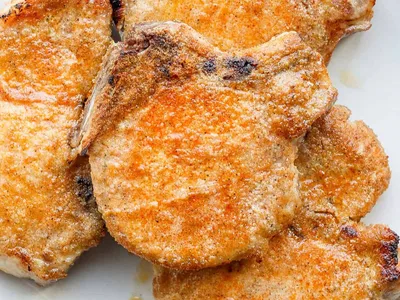
All About Apple Juice
Apple juice serves as both a beverage and a secret weapon in marinades, brines, and glazes. This sweet liquid adds moisture to meats while its natural sugars caramelize during cooking, creating golden-brown crusts. The acidity in apple juice, typically around pH 3.4, helps tenderize proteins while balancing rich flavors in pork and poultry dishes.
How to Select
Look for 100% juice without added sugars. Clear juice works best for marinades and glazes. Cloudy unfiltered juice contains more pectin, making it ideal for thicker sauces. Check the label for pasteurization dates. Fresh-pressed juice from refrigerated sections lasts 7-10 days while shelf-stable bottles stay good for 18-24 months unopened.
How to Store
Keep unopened bottles in a cool pantry below 70°F. Once opened, refrigerate immediately and use within 7-10 days. Transfer juice from large containers to smaller glass jars to minimize air exposure. Freeze juice in ice cube trays for portion control. Each cube equals about 2 tablespoons. Frozen juice cubes maintain quality for 8-12 months. Store away from strong odors since juice absorbs flavors through plastic containers.
How to Prep
For marinades, mix 1 part juice with 2 parts other liquids to prevent excessive sweetness. Reduce juice by simmering over medium heat for 15-20 minutes to concentrate flavors for glazes. Strain cloudy juice through cheesecloth when clarity matters. Bring refrigerated juice to room temperature before adding to hot pans to prevent temperature shock. Mix juice with cornstarch slurry (1 tablespoon cornstarch per cup) for thickening sauces.
Flavor Pairings
Apple juice pairs naturally with pork, creating the classic combination found in pulled pork and chops. Brown sugar and cinnamon enhance its sweetness in glazes. Apple cider vinegar adds tang while maintaining the apple profile. Garlic and black pepper provide savory contrast. Honey amplifies sweetness without masking apple flavor. Soy sauce creates umami-rich Asian-inspired marinades.
Cooking Tips
Inject 0.5 cup apple juice per 5 pounds of pork shoulder before smoking at 225°F for moisture retention.
Reduce 2 cups juice to 0.5 cup over 20 minutes for concentrated glazes that won't dilute pan sauces.
Mix equal parts apple juice and vinegar for spray bottles when smoking meats every 45-60 minutes.
Add 1 cup juice per gallon of brine to balance salt levels at 6% concentration for 12-hour soaks.
Varieties
Need a substitute? See our Best Substitutes for Apple Juice guide with tested ratios.
FAQ
Can I substitute apple cider for apple juice in recipes?
Yes, but expect different results. Cider contains more tannins and sediment, creating cloudier sauces with slightly bitter notes. Use 25% less cider than juice since cider has stronger flavor. For every cup of juice, use 0.75 cup cider plus 2 tablespoons water. Cider works especially well in fall dishes where its complexity adds depth.
Why do BBQ recipes call for apple juice in spray bottles?
Spraying meat every 45-60 minutes during smoking serves three purposes. The moisture prevents bark from becoming too hard. Sugars in the juice caramelize at 320°F, building layers of color. The liquid cools surface temperature by 10-15°F, slowing exterior cooking while interiors catch up. Mix 3 parts juice with 1 part vinegar for optimal results.
How much apple juice should I use in marinades?
Follow the 30% rule. Apple juice should comprise no more than 30% of total marinade volume. For 2 cups marinade, use maximum 0.6 cup juice. Higher concentrations make meat taste like candy. Marinate thin cuts 2-4 hours, thick roasts 8-12 hours. The pH 3.4 acidity begins breaking down proteins after 24 hours, creating mushy texture.
Does cooking destroy nutrients in apple juice?
Heat reduces vitamin C content by 50% after 20 minutes of simmering. However, cooking concentrates minerals like potassium, which survives temperatures up to 800°F. One cup of reduced apple glaze contains 400mg potassium, same as the original 2 cups of juice. Natural sugars caramelize at 340°F without losing sweetness, only changing color and adding complexity.
Recipes with Apple Juice
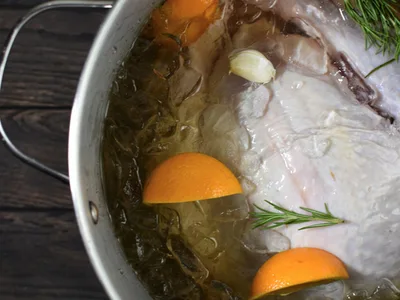
Apple-Rosemary Turkey Brine, Overnight Cure
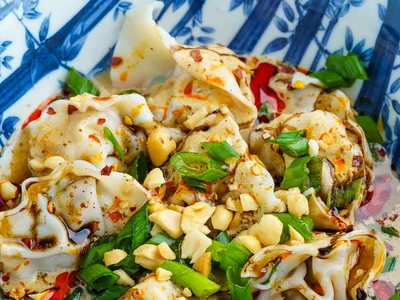
Cold Shanghai Wontons in Peanut Sauce and Chili Oil
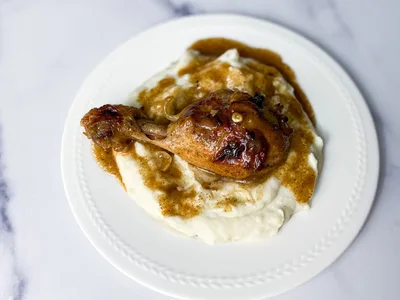
Overnight Marinated Baked Chicken with Cinnamon and Apple
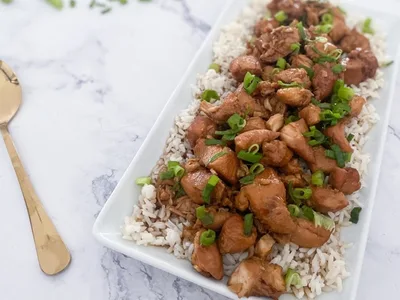
Slow Cooker Bourbon Chicken with Apple Glaze
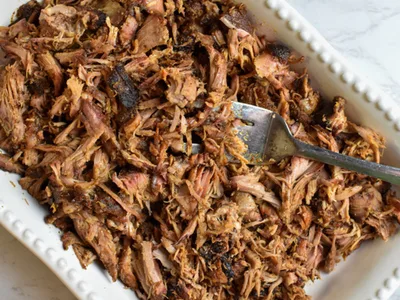
Smoked Pulled Pork Shoulder with Spice Rub