All About Asafoetida
Asafoetida is a pungent resin that smells like rotten eggs when raw but transforms into something closer to sautéed onions when cooked. Indian cooks add a pinch to hot oil at the start of cooking, where it releases sulfur compounds that mimic the savory depth of onion and garlic. The spice is essential in Jain and brahmin cooking where onions and garlic are avoided.
How to Select
Buy asafoetida as a fine yellow powder in small containers, usually 50-100 grams. The best quality comes labeled as 'compounded asafoetida' with 30% resin mixed with wheat or rice flour. Pure resin is too strong for home use. Check that powder flows freely without clumps.
How to Store
Keep asafoetida in its original airtight container or transfer to a small glass jar with tight-fitting lid. Store at room temperature away from light for up to 2 years. The smell penetrates plastic, so double-bag or use glass. Never store near other spices. The powder stays potent for 18-24 months when sealed properly.
How to Prep
Add asafoetida directly to hot oil heated to 350°F before adding other spices. Use 1/8 to 1/4 teaspoon for a pot serving 4-6 people. The powder should sizzle for 2-3 seconds until fragrant. For pickles and raw preparations, dissolve a pinch in 1 tablespoon warm water first. Never add to cold oil or it won't bloom properly.
Flavor Pairings
Asafoetida works best with mustard seeds, cumin, and curry leaves in South Indian tempering. It balances the earthiness of lentils and brings out sweetness in tomatoes. The spice pairs naturally with turmeric in dal, with green chiles in pickles, and with coconut in chutneys.
Cooking Tips
Heat oil to 350°F before adding asafoetida to prevent burning.
Use 1/8 teaspoon for 2 cups of dal or 4 servings of vegetables.
Add asafoetida 5 seconds before mustard seeds in tempering.
Dissolve in 1 tablespoon water when adding to uncooked pickles.
Varieties
FAQ
Why does my asafoetida smell so bad?
Raw asafoetida contains sulfur compounds that smell like rotten eggs or sulfur. Once it hits 350°F oil and cooks for 3-5 seconds, these compounds transform into savory notes similar to cooked onions. The smell in your spice cabinet is normal. Double-bag it or store in glass to contain the odor.
Can I substitute garlic or onion powder?
No direct substitute exists. Asafoetida provides sulfur compounds unique to the resin. For similar savory depth in recipes that call for it, try 1/2 teaspoon onion powder plus 1/4 teaspoon garlic powder, though you'll miss the specific fermented note. Many South Indian recipes rely on asafoetida's distinct flavor.
Is asafoetida gluten-free?
Check the label. Most commercial asafoetida contains 70% wheat flour as a carrier. Look for brands that specify rice flour or corn starch instead. Pure resin is naturally gluten-free but too concentrated for cooking. Gluten-free versions typically list 30% asafoetida resin with 70% rice flour.
How much asafoetida equals one onion?
Asafoetida doesn't replace onion's texture or bulk, only its savory base note. Use 1/4 teaspoon asafoetida bloomed in hot oil to add depth similar to 1 medium onion's flavor foundation. You'll still need other ingredients for body. In dal serving 6 people, 1/4 teaspoon provides enough onion-like savoriness.
Recipes with Asafoetida

Dum Aloo: Spiced Potato Curry with Cream and Cashews

Crispy Radish Dosa with Spiced Batter
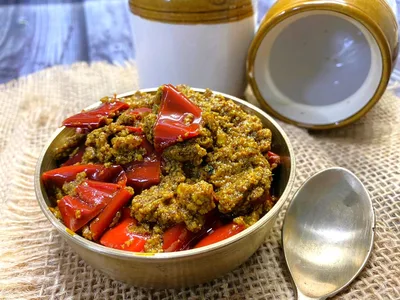
Red Chilli Pickle with Mustard Oil and Spices

Spiced Eggplant and Potato Curry with Aromatic Indian Spices
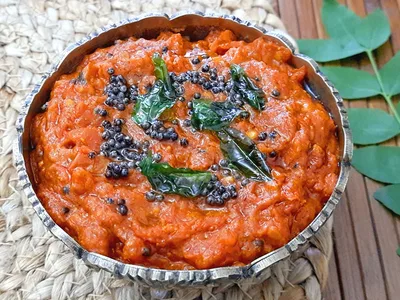
Tomato Thokku: Spiced Tamil Tomato Pickle