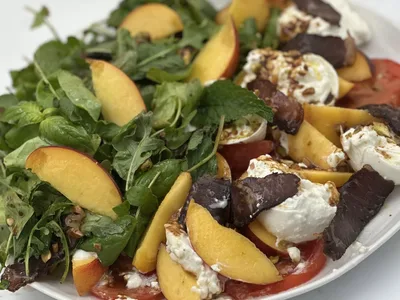
All About Basil
Basil is a tender herb that transforms dishes with its sweet, peppery aroma and slight anise flavor. Fresh basil leaves wilt at 350°F but release their oils instantly when torn. The herb defines Italian cooking and Thai curries alike. One cup of packed leaves weighs 24 grams. Basil bruises within 2 hours of cutting, turning black edges into bitter notes. Its essential oils concentrate in the top 4 inches of each stem.
How to Select
Choose basil with bright green leaves and zero black spots. Stems should snap cleanly when bent at 45 degrees. Avoid bunches with yellowing lower leaves or slimy stems. Fresh basil smells sweet and peppery when you rub a leaf. A good bunch weighs 2 ounces minimum.
How to Store
Keep basil stems in a glass with 1 inch of water on the counter for up to 7 days. Cover loosely with a plastic bag. Never refrigerate fresh basil below 50°F or leaves turn black within 24 hours. Freeze whole leaves flat on a sheet pan, then transfer to bags within 2 hours. Frozen basil keeps 6 months. Dried basil loses 75% of its flavor but stores 2 years in airtight containers.
How to Prep
Tear basil leaves just before serving to prevent oxidation. Stack 6-8 leaves, roll tightly, then slice across for chiffonade cuts 1/8 inch wide. Bruise stems with the flat side of a knife to release oils for stocks. Remove flowers immediately as they make leaves bitter. Wash basil in 65°F water and spin dry. One bunch yields about 2 cups loosely packed leaves.
Flavor Pairings
Basil loves tomatoes because its sweetness balances acidity. Garlic and basil share similar sulfur compounds that amplify each other. Pine nuts bring out basil's resinous notes in pesto. Mozzarella's mild dairy flavor lets basil shine. Lemon zest brightens basil's anise undertones. Thai basil pairs with fish sauce and chilies.
Cooking Tips
Add fresh basil during the last 30 seconds of cooking to preserve its bright flavor.
Blanch basil 5 seconds in boiling water, then shock in ice water to keep pesto green for 5 days.
Use a 3:1 ratio of sweet basil to parsley for balanced pesto that won't overpower.
Steep 20 basil leaves in 2 cups of 180°F water for 10 minutes to make basil tea.
Varieties
Need a substitute? See our Best Substitutes for Basil guide with tested ratios.
FAQ
Why does my basil turn black?
Cold temperatures below 50°F damage basil cells within 2 hours. Oxidation from cutting also causes blackening. Metal knives accelerate this process. Use ceramic knives or tear by hand. Store cut basil under olive oil to block oxygen. Blanching for 5 seconds deactivates the enzymes responsible for browning.
Can I substitute dried basil for fresh?
Use 1 teaspoon dried basil for every tablespoon of fresh. Dried basil has concentrated flavor but lacks fresh basil's bright oils. Add dried basil early in cooking to rehydrate, at least 10 minutes before serving. Crumble dried leaves between your fingers to release more flavor. Fresh basil added in the last minute gives completely different results than dried cooked for 20 minutes.
How much basil do I need for pesto?
Traditional Genovese pesto uses 2 packed cups of basil leaves (about 2 ounces) per serving of 4. That's roughly 60 leaves from a standard bunch. You need a 4:1 ratio of basil to pine nuts by volume. One batch requires 1/2 cup olive oil minimum to achieve proper consistency. Most home cooks underestimate and use only 1 cup basil, creating weak pesto.
Should I remove basil flowers?
Pinch off flower buds immediately to keep leaves producing for 6 more weeks. Once basil flowers, leaf production drops 80% and existing leaves develop bitter compounds. Flowers appear first at stem tips when plants reach 8 inches tall. Check twice weekly during summer. The flowers themselves taste like concentrated basil and work as garnish.
Recipes with Basil
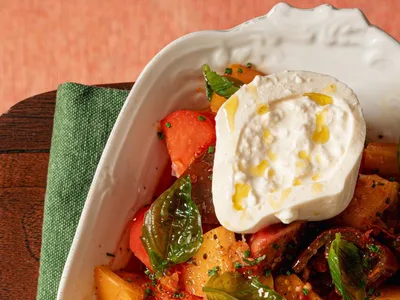
Chilled Heirloom Tomatoes with Burrata and Calabrian Chile
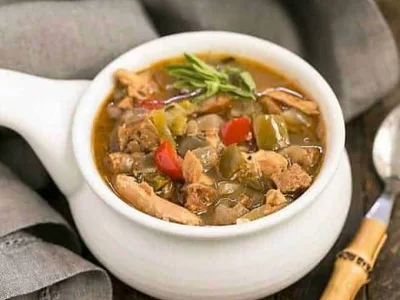
Classic Sausage and Chicken Gumbo with Dark Roux
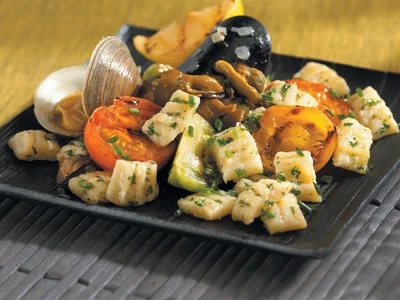
Homemade Gnocchi with Fresh Mussels and Clams in White Wine
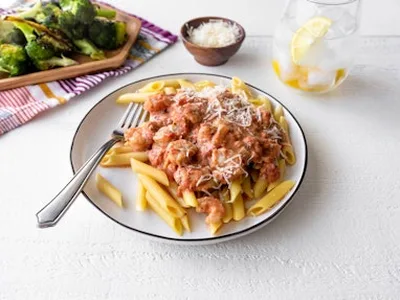
Penne a la Vodka with White Beans and Roasted Broccoli
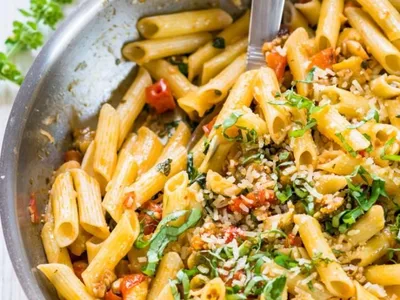
Roasted Eggplant and Tomato Penne Pasta