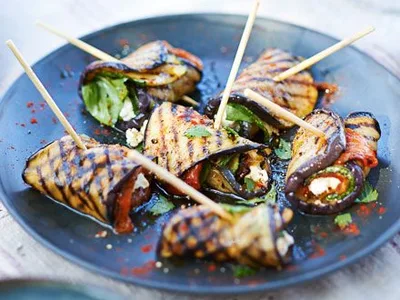
All About Basil Leaves
Fresh basil is a soft-leafed herb with a sweet, peppery flavor and hints of anise. The leaves release aromatic oils when torn or bruised, making them essential for pesto, marinara sauce, and Thai curries. Beyond its signature role in Italian cooking, basil adds brightness to everything from strawberry sangria to salmon. Fresh leaves work best added at the end of cooking to preserve their flavor.
How to Select
Choose basil with bright green leaves that stand upright without dark spots or yellowing. The stems should snap cleanly when bent. Smell the bunch before buying. Good basil has a strong, sweet aroma even before crushing the leaves. Avoid bunches with blackened stem ends or limp leaves.
How to Store
Stand basil stems in a glass with 1 inch of water like a bouquet. Cover loosely with a plastic bag and keep on the counter for up to 7 days. Never refrigerate fresh basil. The cold turns leaves black within 24 hours. For longer storage, freeze whole leaves in oil using ice cube trays. Dried basil keeps 6 months in an airtight container but lacks the bright flavor of fresh.
How to Prep
Tear leaves by hand for pasta and salads to prevent browning. Stack 5-6 leaves, roll tightly, then slice crosswise for a fine chiffonade. For pesto, blend 2 cups packed leaves with 0.5 cup olive oil, 0.25 cup pine nuts, 2 garlic cloves, and 0.5 cup parmesan. Always add basil during the last 30 seconds of cooking to preserve its oils.
Flavor Pairings
Basil loves tomatoes, garlic, and olive oil in classic combinations like marinara and caprese. Lemon juice brightens basil in seafood dishes. Pine nuts and parmesan create the trinity for pesto. Thai basil pairs with fish sauce and chili. Fresh mozzarella, strawberries, and balsamic vinegar all complement basil's sweetness.
Cooking Tips
Add torn basil leaves during the last 30 seconds of cooking marinara to preserve flavor.
Blanch basil for 5 seconds in boiling water before making pesto to keep it bright green.
Use a 2:1 ratio of basil to spinach when stretching expensive basil for large batches of pesto.
Layer whole leaves between slices of tomato and mozzarella 20 minutes before serving to infuse flavor.
Varieties
FAQ
Why does my basil turn black?
Cold temperatures below 50°F damage basil cells, causing black spots. Never store basil in the refrigerator. Even 30 minutes in the fridge can start the blackening process. Keep basil at room temperature in water. If leaves start turning black, use them immediately in cooked dishes where appearance matters less.
Can I use dried basil instead of fresh?
Use 1 teaspoon dried basil for every 1 tablespoon fresh basil called for in recipes. Add dried basil early in cooking to rehydrate and release flavor. Fresh basil goes in during the last 30 seconds. Dried works fine in long-simmered sauces but cannot replace fresh in pesto, caprese, or garnishes.
How much basil do I need for pesto?
Traditional pesto uses 2 cups packed fresh basil leaves (about 2 ounces) to make 1 cup of sauce. This serves 4 people over pasta. For a party of 12, you need 6 cups of leaves. Buy 3-4 supermarket bunches to get enough leaves. Garden basil plants yield about 0.5 cup leaves per week during summer.
When should I harvest basil from my garden?
Harvest basil in the morning after dew dries but before the day heats up past 80°F. Cut stems just above a leaf pair to encourage bushier growth. Never harvest more than one-third of the plant at once. Pinch off flower buds immediately to keep leaves producing. A healthy plant yields 20-30 leaves weekly for 3 months.
Recipes with Basil Leaves

Basil Strawberry Sangria with Sparkling Wine
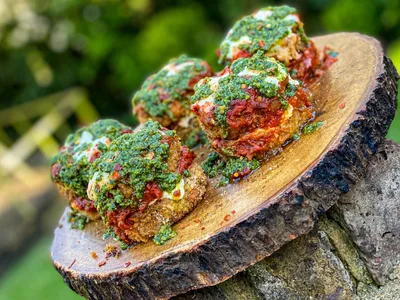
Crispy Eggplant Stacks With Burrata and Pistachio Pesto
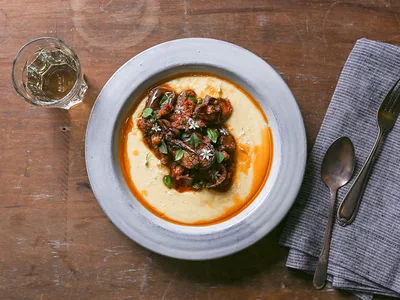
Creamy Polenta With Eggplant Ragout
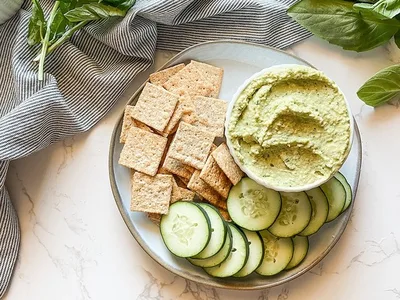
Pesto Hummus with Parmesan and Pine Nuts
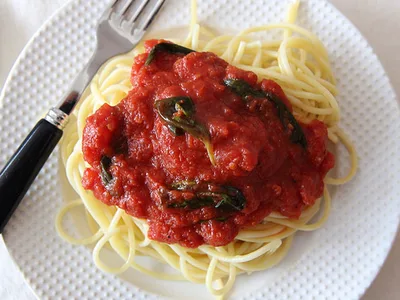
Quick 15-Minute Marinara Sauce with Fresh Basil