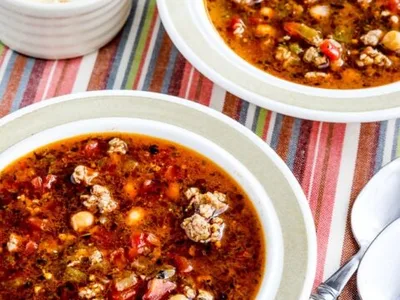
All About Basil Pesto
Basil pesto is a thick green sauce made from fresh basil, garlic, pine nuts, parmesan, and olive oil. It coats pasta like velvet, melts into soups, and turns plain chicken into something special. The sharp garlic bite balances sweet basil while parmesan adds salt and umami depth. A quarter cup can transform an entire pound of pasta.
How to Select
Check the expiration date first. Refrigerated pesto should look bright green, not brownish. Oil should cover the surface completely. Jarred versions last 18 months unopened. Fresh pesto from the deli counter tastes brightest within 3 days.
How to Store
Refrigerated pesto keeps 7 days after opening. Press plastic wrap directly on the surface to prevent browning. Jarred pesto lasts 3 weeks in the fridge once opened. Freeze pesto in ice cube trays for 6-month storage. Each cube equals 2 tablespoons. Transfer frozen cubes to freezer bags. Always add a thin layer of olive oil on top before storing.
How to Prep
Stir pesto well before using since oil separates. Thin thick pesto with pasta water, 1 tablespoon at a time. Mix pesto with cream for lighter sauces using a 1:1 ratio. Drain oil from jarred pesto if recipes call for less fat. Save that flavorful oil for salad dressings. Room temperature pesto mixes easier than cold.
Flavor Pairings
Cherry tomatoes burst with sweetness against pesto's herbal punch. Baby spinach wilts perfectly into warm pesto pasta. Mozzarella melts smoothly while parmesan sharpens the nutty notes. Italian sausage adds fennel warmth. Chickpeas soak up pesto in soups. Ricotta mellows intense garlic flavors.
Cooking Tips
Add pesto off heat to preserve fresh basil flavor. Temperatures above 140F turn it bitter.
Use 1/3 cup pesto per pound of pasta. Toss with 2 tablespoons pasta water for silky coating.
Mix equal parts pesto and mayo for sandwich spread that won't make bread soggy.
Brush pesto under chicken skin before baking at 425F for crispy, flavorful results in 25 minutes.
Varieties
Need a substitute? See our Best Substitutes for Basil Pesto guide with tested ratios.
FAQ
Why does my pesto turn brown?
Basil oxidizes when exposed to air, just like cut apples. This happens faster above 40F. Pour a 1/8-inch layer of olive oil on top to block air. Lemon juice prevents browning too. Add 1 teaspoon per cup of pesto. Browning doesn't affect safety, just appearance and slight bitterness.
Can I heat pesto directly?
Direct heat above 140F destroys basil's fresh flavor and turns it bitter. Instead, toss hot pasta with pesto off the burner. The pasta's heat, around 160F, warms pesto gently. For baked dishes, add pesto during the last 5 minutes. Stir pesto into hot soup after removing from heat.
How much pesto per serving?
Use 2 tablespoons pesto per person for pasta dishes. That equals 1/3 cup for a pound of pasta serving 4 people. Sandwiches need 1 tablespoon per side. Pizza takes 1/4 cup for a 12-inch pie. Soup garnish uses 1 teaspoon per bowl. These amounts deliver flavor without overwhelming other ingredients.
What's the white stuff in jarred pesto?
Those white spots are solidified olive oil, not mold. This happens when pesto sits below 50F. The oil returns to liquid at room temperature in 20 minutes. Parmesan can also form white crystals after 2 weeks. Both are safe to eat. Mold looks fuzzy and grows on the surface, not mixed throughout.
Recipes with Basil Pesto
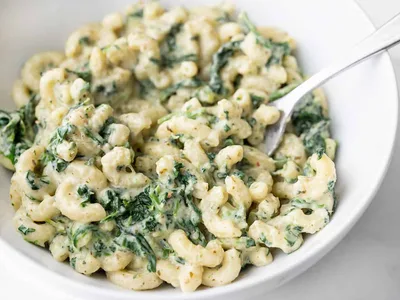
Creamy Pesto Mac and Cheese with Spinach
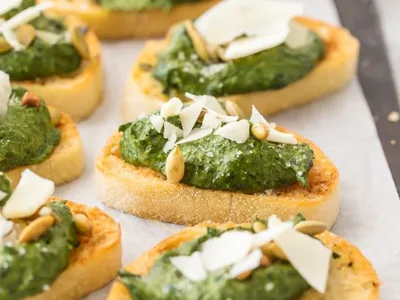
Creamy Spinach Dip Crostini with Garlic Parmesan Toast
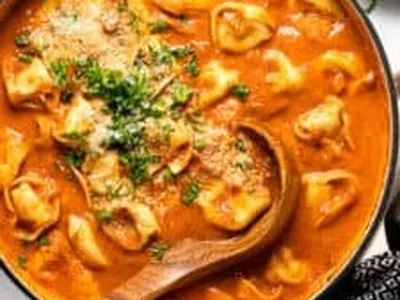
Creamy Tuscan Tomato Tortellini Soup
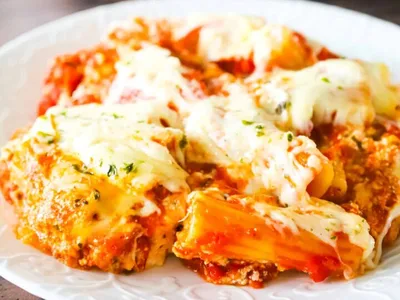
Slow Cooker Baked Ziti with Ricotta and Pesto
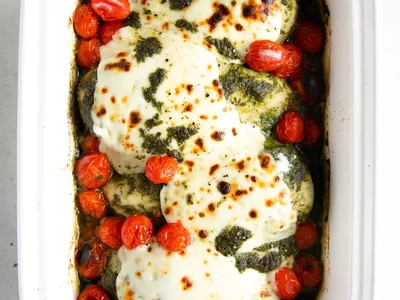
Baked Pesto Mozzarella Chicken, 425F