All About Bay Leaf
Bay leaves are the dried leaves of the laurel tree, adding a subtle camphor-like aroma and slight bitterness to soups, stews, and braises. Unlike most herbs, they're not eaten but simmered whole in liquid for 20-60 minutes to release their essential oils. Their flavor builds slowly, contributing a background note that rounds out hearty dishes without dominating.
How to Select
Choose whole leaves over crumbled ones for better flavor retention. Turkish bay leaves should be pale green to light brown, about 2-3 inches long, with visible veins. Avoid leaves with black spots or yellowing. Fresh bay leaves have a stronger eucalyptus note. They should feel dry and papery, not brittle or dusty.
How to Store
Keep dried bay leaves in an airtight jar away from light. They'll stay potent for 12-18 months in the pantry, though flavor peaks in the first 6 months. Fresh leaves last 7-10 days wrapped in damp paper towels in the fridge, or freeze them flat between parchment for up to 3 months. Check dried leaves yearly by crushing one between your fingers. If there's no aroma, replace them.
How to Prep
Most recipes call for 1-2 whole dried leaves added directly to simmering liquid. For stronger flavor, tear leaves in half to expose more surface area. Crush dried leaves with the back of a knife for spice rubs or marinades, using about 1/4 teaspoon crushed per whole leaf. Remove whole leaves before serving. Count them going in so you can fish them all out.
Flavor Pairings
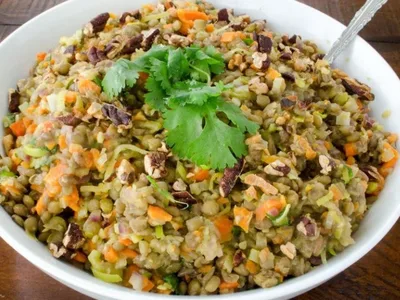
Bay leaves complement the sweetness of onions and carrots while balancing the acidity in tomato-based dishes. They're essential in French mirepoix and Italian soffritto bases. The slight bitterness cuts through rich meats like beef short ribs or pork shoulder. They work particularly well with legumes like lentils and white beans, tempering their earthiness.
Cooking Tips
Add bay leaves at the start of cooking. They need at least 20 minutes of simmering to release flavor.
Use 1 leaf per quart of liquid for soups and stocks, 2-3 leaves for heartier braises.
Toast whole leaves in a dry pan for 30 seconds before adding to intensify their aroma.
For pickling brines, use 1 bay leaf per cup of vinegar and steep for at least 24 hours.
Varieties
FAQ
Can I eat bay leaves?
No, remove them before serving. Even after hours of cooking, bay leaves stay tough and sharp-edged. They can scratch your throat or cause choking. Their purpose is flavoring the liquid, not being consumed. This is why recipes specify removing them. If you accidentally leave one in, warn diners to watch for it on their plate.
How many bay leaves should I use?
Start with 1 bay leaf per quart of liquid or per 2-3 pounds of meat. A single leaf flavors a pot of soup for 4-6 people. For concentrated stocks simmered over 3 hours, increase to 2-3 leaves per quart. Fresh leaves are stronger, so use about 30% less. Too many leaves create an unpleasant medicinal taste that overwhelms other flavors.
What's the difference between fresh and dried bay leaves?
Fresh bay leaves have a sharper, more eucalyptus-like flavor and bright green color. They're about 25% stronger than dried. Dried leaves develop a tea-like, slightly floral quality after 2-3 weeks of drying. Most recipes assume dried leaves. If substituting fresh, use 2 fresh leaves for every 3 dried ones called for. Fresh leaves also release their oils faster, in about 15 minutes versus 30 for dried.
Can I substitute bay leaf powder?
Bay leaf powder works but measures differently. Use 1/8 teaspoon powder to replace 1 whole leaf. Add powder during the last 10 minutes of cooking since it releases flavor quickly and can turn bitter with long simmering. Powder works best in dry rubs or shorter-cooking sauces. For long braises over 2 hours, stick with whole leaves you can remove.
Recipes with Bay Leaf
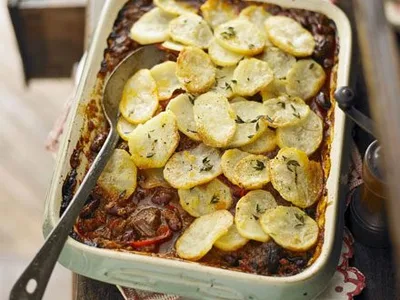
Cottage Chilli Hotpot with Braised Beef

Creole Green Lentil Gumbo with Andouille
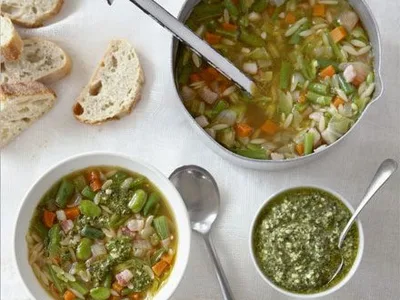
Green Bean Minestrone with Pesto and Pancetta
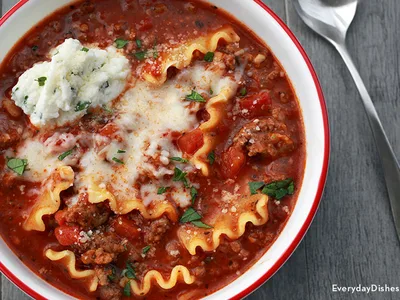
Hearty Lasagna Soup with Italian Sausage and Ground Beef
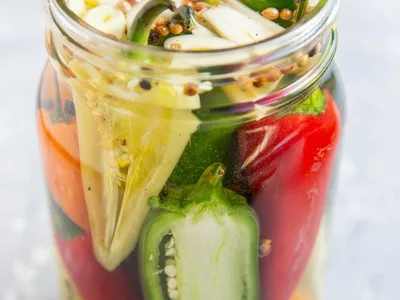
Quick Pickled Peppers with Spiced Vinegar