All About Bay Leaves
Bay leaves are aromatic leaves from the laurel tree that add subtle depth to soups, stews, and braises. They release compounds slowly during cooking, building layers of flavor without overpowering. Unlike most herbs, bay leaves work best when simmered for 30 minutes or longer. Their slightly minty, tea-like flavor complements both meat and vegetable dishes.
How to Select
Choose whole leaves over crumbled ones for better flavor retention. Turkish bay leaves measure 2-3 inches long with pointed tips. California bay leaves are longer at 3-4 inches with more intense flavor. Fresh leaves should be bright green without brown spots. Dried leaves should snap cleanly when bent, not crumble into dust.
How to Store
Keep dried bay leaves in an airtight container away from light for up to 2 years. Fresh leaves last 1-2 weeks wrapped in damp paper towels in the refrigerator. Freeze fresh leaves flat in a single layer, then transfer to freezer bags for 6-month storage. Replace dried leaves when they lose their green-gray color and turn pale brown.
How to Prep
Add whole dried leaves directly to liquid. Use 1-2 leaves per quart of soup or stew. Tear leaves in half to release more oils for shorter cooking times under 20 minutes. Remove leaves before serving since they stay tough. Fresh leaves need gentle bruising with the back of a knife to release their oils. Double the amount when substituting fresh for dried.
Flavor Pairings
Bay leaves complement garlic and onion in almost every savory base. They balance the acidity in tomato-based dishes like pasta e fagioli. The leaves work particularly well with root vegetables like carrots and celery in stocks. Their subtle flavor enhances beef short ribs and Cuban ropa vieja without competing with the meat.
Cooking Tips
Add 2 bay leaves per pound of dried beans or lentils during the cooking process.
Simmer 1 bay leaf in milk for 10 minutes before making bechamel sauce.
Toast dried leaves in a dry pan for 30 seconds to intensify flavor before adding to oil.
Use 3-4 leaves when making 2 quarts of stock, removing after 45 minutes of simmering.
Varieties
FAQ
Can you eat bay leaves?
No, remove them before serving. Even after 2 hours of cooking, bay leaves stay stiff and sharp. They can scratch your throat or cause choking. Their texture never softens like other herbs. Mark their location with a wooden spoon handle while cooking to find them easily.
How many bay leaves per dish?
Use 1-2 leaves for 4-6 servings of soup or stew. A single leaf flavors 1 quart of liquid adequately. Large batches need 3-4 leaves per gallon. Fresh leaves are milder, so use 2 fresh leaves for every 1 dried leaf called for in recipes.
Do bay leaves really add flavor?
Yes, they release measurable compounds after 20-30 minutes of simmering. A taste test of plain chicken stock with and without bay leaves shows clear differences. The leaves add subtle eucalyptus and clove notes. Their effect builds gradually, peaking around the 45-minute mark.
Can you substitute bay leaves?
Not directly. Thyme provides some woodsy notes but lacks bay's complexity. A mix of 1/4 teaspoon dried thyme plus 1/8 teaspoon dried basil approximates the flavor for 2 bay leaves. Fresh herbs won't work since bay's flavor comes from long simmering. Skip substitution in dishes under 30 minutes cooking time.
Recipes with Bay Leaves

Cuban Ropa Vieja with Shredded Beef and Bell Peppers
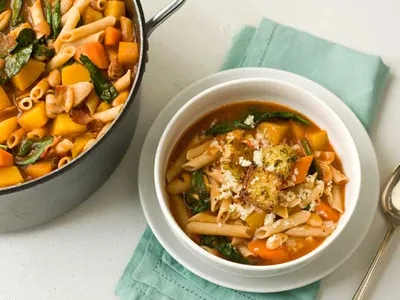
Gluten Free Minestrone Soup with Bacon and Pesto Croutons
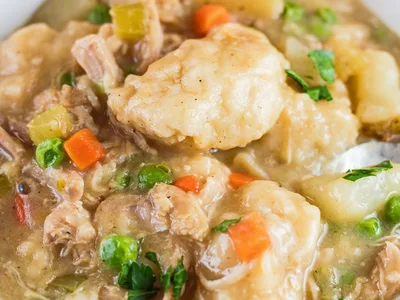
Instant Pot Chicken and Dumplings with Herbs
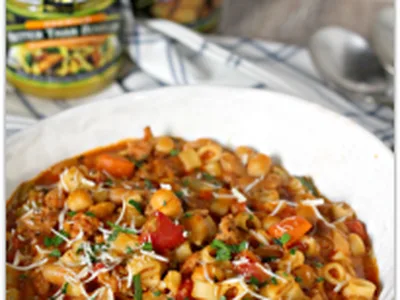
Instant Pot Pasta e Fagioli with Pancetta and Sausage

Paula Deen's Three-Meat Baked Spaghetti Casserole