All About Black Olives
Black olives are the fully ripened version of green olives, cured in salt, brine, or oil to develop their characteristic mild, earthy flavor. They add a salty punch and meaty texture to pizzas, salads, and Mediterranean dishes. Unlike their green cousins, black olives have a softer texture and less bitter taste, making them perfect for eating straight from the jar or tossing into pasta at the last minute.
How to Select
Look for olives with smooth, unbroken skin and a consistent dark purple to black color. Avoid any with white spots or mushy texture. Jarred olives should be submerged in brine. At olive bars, smell for vinegar or off odors. Firmer olives hold up better in cooked dishes.
How to Store
Keep unopened jars in the pantry for up to 2 years. Once opened, refrigerate in their original brine for 2 to 3 weeks. Transfer olive bar purchases to an airtight container with fresh brine (1 tablespoon salt per cup of water). Drained olives last 3 to 5 days in the fridge. Never store in metal containers, which can cause off flavors.
How to Prep
Most recipes call for pitted olives. To pit, press each olive with the flat side of a knife until it cracks, then pull out the pit. For slicing, stack 3 to 4 pitted olives and cut into 0.25-inch rounds. Chopping works best with a rocking motion, aiming for 0.25-inch pieces. Pat dry with paper towels before adding to pizzas or focaccia to prevent sogginess.
Flavor Pairings
Black olives love acidic ingredients like lemon juice, tomatoes, and vinegar, which balance their saltiness. They pair naturally with Mediterranean staples like feta cheese, oregano, and olive oil. Red onions add sharp contrast while garlic provides aromatic depth. In Mexican dishes, they complement cilantro and lime.
Cooking Tips
Add black olives in the last 5 minutes of cooking to preserve texture and prevent bitterness.
Rinse jarred olives under cold water for 30 seconds to reduce sodium by up to 40 percent.
For pizza, use 0.5 cup sliced olives per 12-inch pie, scattered after cheese but before the final 3 minutes of baking.
Pulse 1 cup pitted olives with 2 tablespoons olive oil for a 30-second tapenade base.
Varieties
Need a substitute? See our Best Substitutes for Black Olives guide with tested ratios.
FAQ
Why do canned black olives taste different from jarred?
Canned black olives undergo lye processing and oxidation that turns them uniformly black and gives them a mild, almost bland flavor. They contain about 40 milligrams of sodium per olive. Jarred olives are naturally cured over 3 to 12 months, developing complex flavors and retaining their original purple-black color. They pack 60 to 80 milligrams of sodium per olive.
Can I substitute black olives for green olives?
You can substitute them at a 1:1 ratio, but expect flavor changes. Green olives have twice the bitterness and a firmer bite. Black olives work better in cooked dishes where their softer texture blends in. For Greek salads or tapenade where olives star, stick to the recipe's specified type. In pizzas and pasta, the swap works fine.
How many olives should I buy for a recipe?
A 6-ounce can contains about 35 to 40 small olives or 1.25 cups sliced. One cup of whole olives weighs approximately 5 ounces. For party platters, plan on 4 to 5 olives per person. Most recipes calling for 0.5 cup sliced olives need about 20 medium olives.
Do black olives go bad?
Properly stored olives rarely spoil but lose quality over time. Warning signs include white fuzzy mold, sour smell like vinegar, or slimy texture. Olives left at room temperature for over 4 hours should be tossed. Those floating in cloudy brine or showing gas bubbles indicate fermentation. When olives taste overly sour or metallic instead of briny, they've passed their prime.
Recipes with Black Olives
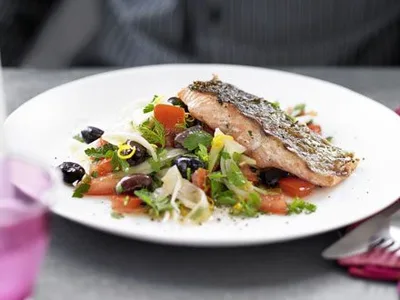
Charred Salmon with Fennel and Olive Salad
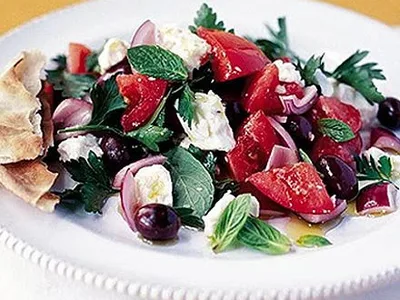
Classic Greek Salad with Feta and Kalamata Olives
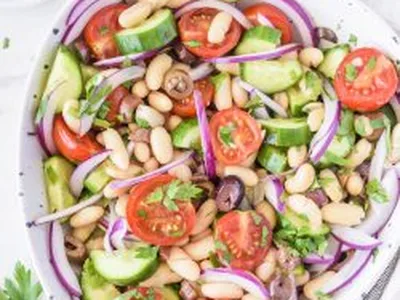
Easy Breezy Summer Bean Salad
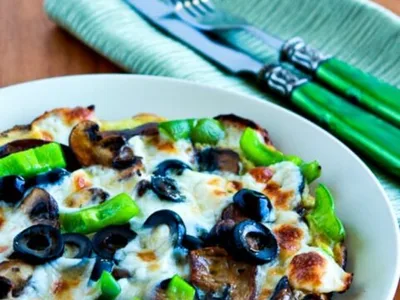
Egg-Crust Vegetarian Mushroom and Cheese Breakfast Pizza
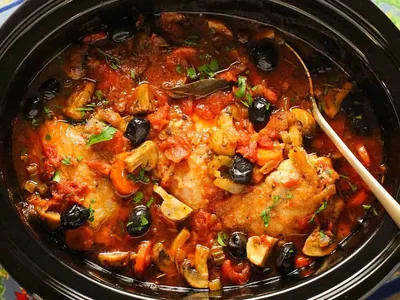
Provençal Chicken Stew with Herbs and Olives