All About Black Sesame Seeds
Black sesame seeds pack a nutty, slightly bitter flavor that's deeper than white sesame. These tiny seeds add crunch to salads, coat proteins for a crispy crust, and blend into pastes for sauces. Popular in Korean, Japanese, and Chinese cooking, they bring both texture and a distinctive earthy taste that works in sweet and savory dishes.
How to Select
Look for seeds with a uniform black color and glossy sheen. Fresh black sesame seeds smell nutty when you open the container. Avoid packages with gray or dusty-looking seeds. Buy from stores with good turnover since seeds go rancid after 6 months.
How to Store
Keep unopened packages in a cool, dry pantry for up to 1 year. Once opened, transfer to an airtight container and refrigerate for 6 months or freeze for 1 year. Seeds turn rancid faster at room temperature due to their oil content. Smell before using. Rancid seeds have a paint-like odor.
How to Prep
Toast raw seeds in a dry skillet over medium heat for 3-5 minutes until they smell nutty and start popping. Stir constantly to prevent burning. For garnish, use straight from the package or give them a quick 30-second toast. Grind toasted seeds with 1/4 teaspoon salt per tablespoon of seeds to make gomashio seasoning.
Flavor Pairings
Black sesame seeds love soy sauce, honey, and sesame oil in dressings and marinades. They complement cucumbers and carrots in salads. The nutty flavor balances sweet elements like hoisin sauce. Green onions and garlic bring out their savory side in Korean and Japanese dishes.
Cooking Tips
Toast at 300°F for 5-7 minutes on a sheet pan for even browning without constant stirring.
Mix 2 tablespoons black sesame with 2 tablespoons white sesame for visual contrast in coatings.
Grind 1/4 cup toasted seeds with 1 tablespoon sugar for dessert toppings.
Add seeds in the last 30 seconds of stir-frying to preserve crunch.
FAQ
What's the difference between black and white sesame seeds?
Black sesame seeds have their hulls intact, giving them a stronger, more bitter flavor than hulled white seeds. They contain about 60% more calcium and have a crunchier texture. Black seeds work better in savory applications, while white seeds suit both sweet and savory dishes. Nutritionally, black seeds have 5.5 grams of protein per ounce compared to 5 grams in white seeds.
Can I substitute black sesame seeds for white in recipes?
Yes, use a 1:1 ratio for substitution. The dish will have a stronger, nuttier flavor and darker appearance. Black seeds work best in savory recipes or desserts where the color fits, like black sesame ice cream. For lighter-colored baked goods or when you want a milder taste, stick with white seeds. Remember that black seeds need about 1 minute less toasting time than white.
How do I know if my black sesame seeds have gone bad?
Rancid black sesame seeds smell like old paint or crayons instead of nutty. Fresh seeds have a glossy black appearance. Bad seeds look dull or grayish. Taste a few seeds. Rancid ones taste bitter and leave an unpleasant coating in your mouth. Seeds typically last 6 months after opening when stored properly in the refrigerator.
Do I need to toast black sesame seeds before using them?
Raw black sesame seeds taste flat and slightly bitter. Toasting for 3-5 minutes brings out their nutty flavor and adds crunch. Some packaged seeds come pre-toasted. Check the label. For garnishing, you can skip toasting if you prefer a milder flavor. Always toast seeds you plan to grind into paste or powder for maximum flavor development.
Recipes with Black Sesame Seeds

Gochujang Mac and Cheese Toastie

Grilled Wonton Nachos with Shrimp and Japanese Mayo
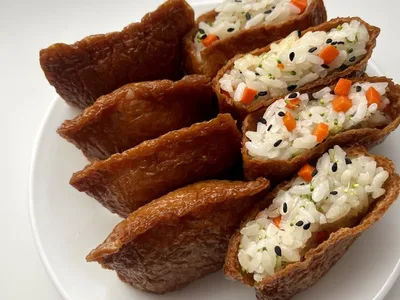
Korean Fried Tofu Pockets with Seasoned Rice

Lemon-Hoisin Chicken with Cherry Rice and Roasted Asparagus
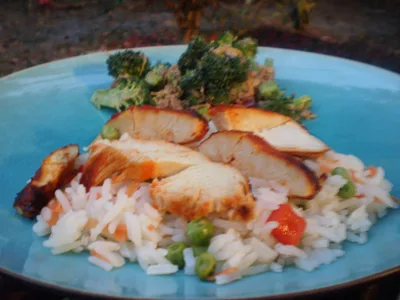
Sweet Chili Chicken With Sesame Asian Rice