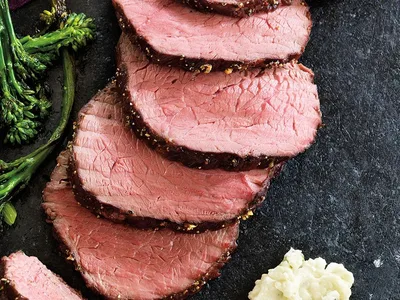
All About Blue Cheese
Blue cheese is a sharp, creamy cheese with distinctive blue-green veins of Penicillium roqueforti mold running through it. The mold gives it that characteristic tangy, salty bite that can range from mild to intensely pungent. In cooking, it melts into creamy sauces, adds punch to salad dressings, and creates an umami-rich crust on steaks. The cheese's bold flavor means a little goes far, with most recipes calling for just 2 to 4 ounces.
How to Select
Look for cheese with even marbling throughout and no pink or brown spots. Fresh blue cheese should smell sharp but clean, not ammonia-like. The paste should look creamy white or pale yellow between the blue veins. Avoid any with excessive liquid in the package or dry, cracked edges.
How to Store
Wrap blue cheese in wax paper, then loosely in plastic wrap or foil. Store in the vegetable drawer at 35-40°F. Properly stored, it lasts 3-4 weeks past the sell-by date. Once opened, use within 7-10 days. You can freeze blue cheese for up to 2 months, though the texture becomes more crumbly after thawing. Always keep it away from other cheeses to prevent cross-contamination of molds.
How to Prep
For crumbling, freeze the cheese for 15 minutes first to make it easier to break apart. Use a fork or your fingers to create pieces ranging from 1/8 to 1/4 inch. For melting into sauces, bring cheese to room temperature 30 minutes before cooking and crumble finely. When making dressing, mash 4 ounces blue cheese with 1/2 cup sour cream using a fork, leaving some chunks for texture.
Flavor Pairings
Blue cheese loves sweet and acidic partners that balance its saltiness. Red onions, pears, and honey are classic matches. It melds beautifully with butter and cream in sauces, while bacon and walnuts add textural contrast. Balsamic vinegar and port wine cut through the richness. For herbs, try rosemary, thyme, or chives.
Cooking Tips
Add blue cheese during the last 2-3 minutes of cooking to prevent bitter flavors from developing above 350°F.
Mix 2 ounces crumbled blue cheese with 4 tablespoons softened butter for an instant steak topping.
For smooth sauces, whisk blue cheese into cream at 180°F, stirring constantly for 3-4 minutes.
Toss salads with dressing at a 1:6 ratio of blue cheese to greens for balanced flavor in every bite.
Varieties
Need a substitute? See our Best Substitutes for Blue Cheese guide with tested ratios.
FAQ
Can I eat the mold in blue cheese?
Yes, the blue-green veins are Penicillium roqueforti, a safe edible mold specifically added during cheesemaking. This mold is different from harmful molds that grow on spoiled food. However, if you see any fuzzy white, pink, or black mold on the surface, discard the cheese. The blue mold should look like distinct veins, not fuzzy patches. Store properly to prevent contamination from other mold spores.
Why does my blue cheese dressing separate?
Separation happens when the fat and liquid components split, usually from too much acid or heat. To prevent this, use a 2:1 ratio of mayo to sour cream as your base, then fold in 4 ounces crumbled cheese per cup of base. Add vinegar or lemon juice last, just 1 tablespoon at a time. Keep everything cold and whisk gently. If it separates, blend in 1 tablespoon of heavy cream.
How much blue cheese should I buy per person?
For a cheese board, plan on 1.5 ounces per person when serving 3-4 other cheeses. For salads, 1 ounce crumbled blue cheese serves 2-3 people. In cooked dishes like burgers or steaks, 2 ounces typically covers 4 servings since the flavor intensifies with heat. A standard 4-ounce package works for most recipes serving 4-6 people.
Can I substitute blue cheese in recipes?
Feta provides similar saltiness but lacks the creamy melt and pungent flavor. Use 25% less feta than blue cheese called for. Goat cheese offers comparable creaminess but needs added salt. For closest match, try aged Gorgonzola. In dressings, ranch seasoning plus crumbled feta mimics the tangy-salty profile. No substitute fully replicates blue cheese's unique moldy funk that makes dishes like buffalo chicken dip distinctive.
Recipes with Blue Cheese
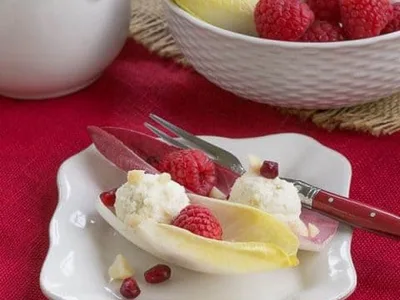
Blue Cheese Endive Cups with Raspberry Vinaigrette
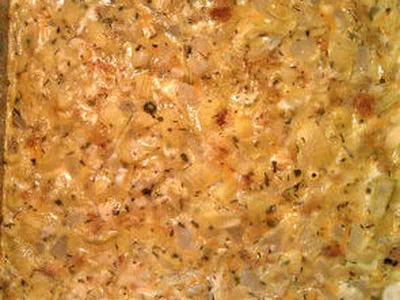
Cheesy Artichoke Frittata Squares with Dill
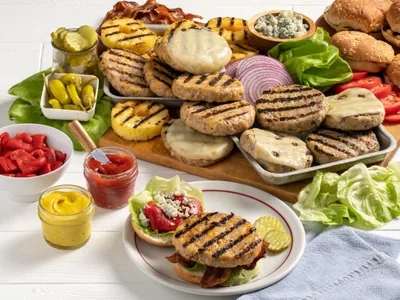
Grilled Chicken Burger Board with Pineapple
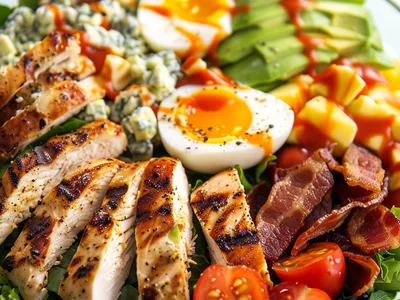
Keto Chicken Cobb Salad with Creamy Blue Cheese