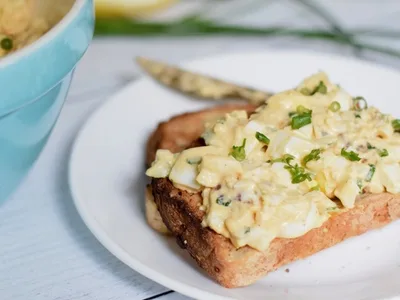
All About Chives
Chives are the mildest member of the onion family, with slender green stalks that taste like a cross between garlic and onion without the bite. These grass-like herbs add a fresh, subtle onion flavor to eggs, potatoes, soups, and dips. Their delicate flavor disappears when cooked too long, so they work best stirred in at the end or used as a garnish.
How to Select
Choose chives with bright green color and firm, straight stalks. Avoid any with yellowing tips, dark spots, or limp sections. Fresh chives should snap cleanly when bent. The stalks should measure about 6 to 8 inches long and feel springy, not wilted.
How to Store
Keep fresh chives in the refrigerator wrapped loosely in damp paper towels inside a plastic bag for up to 10 days. Stand them upright in a glass with 1 inch of water, covered with a plastic bag, and they'll last 14 days. Freeze chopped chives in ice cube trays with water for up to 6 months. Dried chives lose most flavor but store in a cool, dark place for 1 year.
How to Prep
Rinse chives under cold water and pat dry. Use kitchen scissors to snip directly over your dish in 1/8 to 1/4 inch pieces. For finer texture, gather several stalks and slice with a sharp knife. Remove any wilted or discolored sections first. Save thicker bottom portions for stocks. One tablespoon of fresh chives equals about 5 to 6 stalks.
Flavor Pairings
Chives complement eggs, potatoes, and dairy beautifully. They brighten sour cream dips, cream cheese spreads, and compound butters. The mild onion flavor works well with lemon juice in seafood dishes or stirred into mayonnaise-based salads. Chives pair naturally with dill, parsley, and tarragon in herb blends.
Cooking Tips
Add chives in the last 30 seconds of cooking or sprinkle over finished dishes to preserve their flavor.
Mix 2 tablespoons chopped chives into 1/2 cup softened butter for an instant compound butter.
Snip chives with scissors directly over hot soup or scrambled eggs for even distribution.
Store extra chopped chives frozen in 1-tablespoon portions using an ice cube tray.
Varieties
Need a substitute? See our Best Substitutes for Chives guide with tested ratios.
FAQ
Can I use the purple chive flowers?
Yes, chive blossoms are edible with a stronger onion flavor than the leaves. Pull apart the purple flower heads and sprinkle individual florets over salads or soups. Use within 2 days of picking. The flowers appear in late spring and add both color and a peppery onion taste. One flower head contains about 20 to 30 tiny florets.
What's the difference between chives and green onions?
Chives are much thinner, measuring only 2 to 3 millimeters in diameter, while green onions are 8 to 15 millimeters thick. Chives have a milder, more delicate flavor and hollow stalks. Green onions have white bulbs and a stronger taste. You need about 3 times more chives than green onions to match the flavor intensity. Chives grow in clumps from bulbs that stay underground.
Why do my chives turn yellow?
Yellowing happens when chives get too much water, not enough nitrogen, or experience temperatures above 85°F. Cut yellow stalks back to 2 inches from the ground. Feed with a balanced 10-10-10 fertilizer every 4 weeks during growing season. Chives prefer soil that drains well and 6 hours of sunlight daily. Yellow tips on stored chives mean they're past prime.
How much dried equals fresh chives?
Use a 3-to-1 ratio when substituting. One tablespoon fresh chives equals 1 teaspoon dried. Dried chives lose most of their flavor and work better rehydrated in liquid for 10 minutes before using. Fresh frozen chives maintain more flavor than dried. For best results, add 25% more dried chives than the conversion suggests since they lack the punch of fresh.
Recipes with Chives
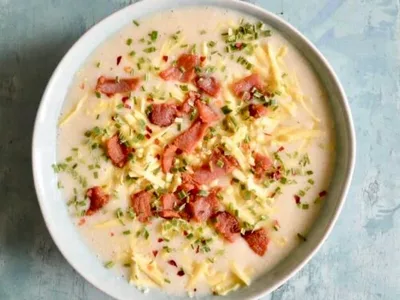
Gluten-Free Dairy-Free Baked Potato Soup
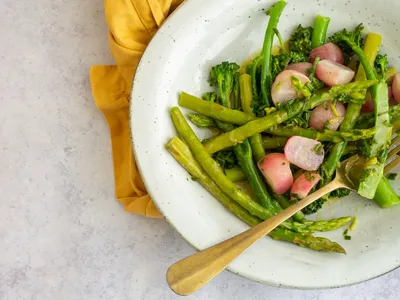
Keto Butter Poached Vegetable Medley with Lemon Herbs

One-Pan Breakfast Sandwich with Ham and Cheese
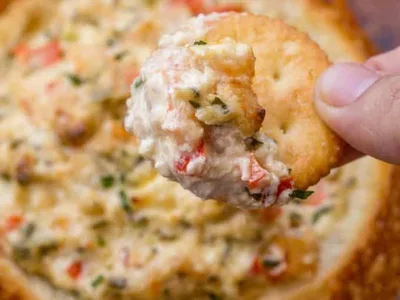
Spicy Louisiana Shrimp Dip in Sourdough Bowl