All About Cloves
Cloves are the dried flower buds of an evergreen tree, shaped like tiny dark brown nails with round heads. They pack an intense warm-sweet flavor with a slight numbing effect on the tongue. In baking, 1/4 teaspoon of ground cloves turns gingerbread and pumpkin pie. In savory cooking, 2-4 whole cloves infuse broths and braises with aromatic depth without overpowering other spices.
How to Select
Choose whole cloves that look plump and oily with intact round heads. Press one between your fingers. It should release a strong, sweet aroma and leave a slight oil residue. Avoid cloves that look dry, brittle, or dusty. For ground cloves, buy the smallest container available since you'll use just 1/8 to 1/4 teaspoon per recipe.
How to Store
Keep whole cloves in an airtight jar away from light for up to 3 years. They'll stay potent longer than most spices. Store ground cloves in a sealed container for 18 months maximum. After 6 months, the powder loses significant flavor. Mark purchase dates on containers. If cloves stop releasing aroma when crushed, replace them. Never store near the stove where heat degrades the volatile oils.
How to Prep
For ground cloves, grind 4-5 whole cloves in a spice grinder to yield 1/4 teaspoon fresh powder. Toast whole cloves in a dry pan for 30 seconds until fragrant before grinding or adding to liquids. When infusing broths or mulled drinks, tie 2-4 whole cloves in cheesecloth or press them into orange peel for easy removal. Lightly crush whole cloves with the flat side of a knife to release more flavor in slow-cooked dishes.
Flavor Pairings
Cloves amplify cinnamon's warmth in baked goods, typically in a 4:1 ratio of cinnamon to cloves. They balance ginger's sharpness in chai blends and gingerbread. In savory dishes, cloves complement star anise in Vietnamese pho and Chinese five-spice. Brown sugar and cloves create the signature flavor in baked hams. Nutmeg and cloves together define pumpkin pie spice.
Cooking Tips
Use 1/8 teaspoon ground cloves per 2 cups flour in spice cakes to avoid overpowering other flavors.
Stud onion halves with 2-3 whole cloves when making stock. Remove after 45 minutes of simmering.
Add ground cloves during the last 5 minutes of cooking curries. Earlier additions turn bitter.
Grind fresh cloves with a microplane directly over dishes. One whole clove equals 1/8 teaspoon ground.
FAQ
How much ground cloves equals one whole clove?
One whole clove equals 1/8 teaspoon ground. Most recipes call for 1/4 to 1/2 teaspoon ground cloves, which means 2-4 whole cloves. If you're grinding your own, start with less since fresh-ground cloves pack more punch than pre-ground. A typical pumpkin pie uses 1/4 teaspoon ground cloves alongside 1 teaspoon cinnamon.
Why do cloves make my mouth feel numb?
Cloves contain eugenol, the same compound dentists use for toothache relief. This oil comprises 85% of clove's essential oil content. The numbing sensation is normal and fades within 5 minutes. If you bite directly into a whole clove while eating, the effect intensifies. That's why recipes specify removing whole cloves before serving or grinding them into powder that distributes evenly.
Can I substitute ground cloves for whole cloves?
Yes, but the timing changes. Add ground cloves during the final 5-10 minutes of cooking to prevent bitterness. For every 4 whole cloves a recipe requires, use 1/2 teaspoon ground. Whole cloves work better for long simmers over 30 minutes since they release flavor slowly without turning bitter. Ground cloves work best in quick-cooking sauces and all baking applications.
What's the difference between cloves and allspice?
Cloves come from flower buds while allspice comes from dried berries. Cloves taste sharper with pronounced sweetness and that characteristic numbing quality. Allspice tastes like a blend of cinnamon, nutmeg, and cloves but milder. You can substitute 3/4 teaspoon allspice for 1/2 teaspoon cloves in most recipes. Cloves dominate flavor profiles more aggressively than allspice.
Recipes with Cloves
Beef Goi Cuon Salad with Peanut Dressing
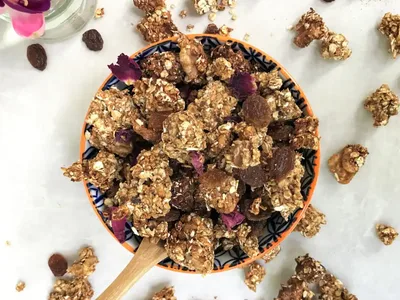
Chai Spiced Walnut Granola with Dates and Cardamom
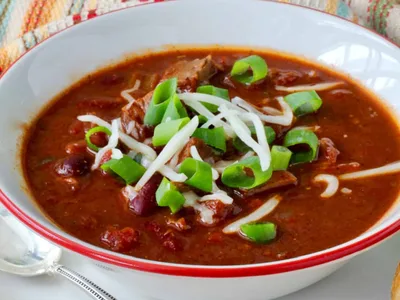
Easy Tomato Kidney Bean Roast Beef Chili Soup
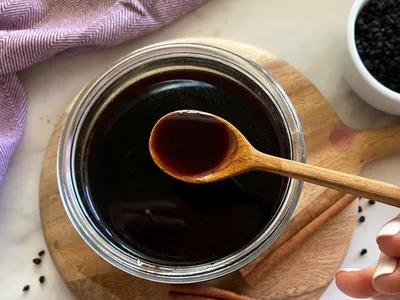
Homemade Honey Elderberry Immune Syrup
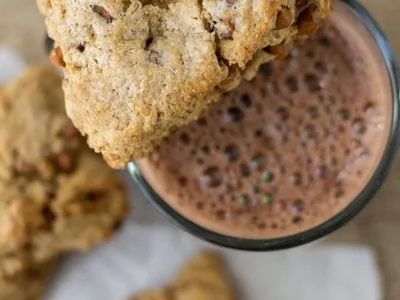
Spiced Cinnamon Chip Scones with Molasses and Warm Spices