All About Cocoa
Cocoa powder is pure chocolate with most of the fat removed, ground into a fine powder that dissolves easily in liquids and batters. It adds deep chocolate flavor without the sweetness or texture of chocolate bars. In baking, cocoa replaces some flour while providing structure through its starch content. A tablespoon contains just 12 calories but packs intense chocolate taste.
How to Select
Look for containers that feel light for their size. Shake the tin and listen for powder that moves freely without clumps. Natural cocoa has a light reddish-brown color. Dutch-processed looks darker, almost black. Check the label for 10-12% fat content for standard cocoa, 20-24% for high-fat versions.
How to Store
Keep cocoa in its original container or transfer to an airtight jar. Store in a cool, dry pantry away from spices and coffee. Cocoa stays fresh for 2-3 years at room temperature below 70°F. After opening, use within 18 months. Clumping means moisture got in. Sift before using if slightly lumpy. White spots indicate fat bloom, still safe but flavor fades.
How to Prep
Sift cocoa through a fine-mesh strainer to break up lumps before measuring. For hot chocolate, whisk 2 tablespoons cocoa with 2 tablespoons sugar, then add 1 tablespoon hot water to make a paste before adding milk. When baking, combine cocoa with other dry ingredients first. For dusting, put cocoa in a fine-mesh strainer and tap gently over desserts.
Flavor Pairings
Cocoa loves vanilla extract, using 1 teaspoon vanilla per 1/4 cup cocoa in most recipes. Butter enriches cocoa's flavor in frostings and brownies. A pinch of salt sharpens chocolate taste. Coffee intensifies cocoa, add 1 teaspoon instant espresso per 1/2 cup cocoa. Pairs beautifully with hazelnuts, strawberries, and caramel.
Cooking Tips
Replace up to 1/4 of flour with cocoa in recipes. For every 3 tablespoons flour removed, use 2 tablespoons cocoa.
Bloom cocoa in hot liquid (160°F minimum) for 30 seconds before mixing to develop fuller flavor.
Add 1/8 teaspoon baking soda per 1/4 cup natural cocoa to neutralize acidity in cakes.
Dust cocoa through a tea strainer held 6 inches above desserts for even coverage.
Varieties
FAQ
Can I substitute cocoa for melted chocolate?
Yes, but adjust other ingredients. For every 1 ounce of melted unsweetened chocolate, use 3 tablespoons cocoa plus 1 tablespoon butter or oil. The cocoa version creates a slightly drier texture. In brownies or dense cakes this works well. For mousse or ganache, stick with real chocolate for proper texture.
Why does my cocoa have white spots?
Those spots are cocoa butter rising to the surface, called fat bloom. It happens when cocoa experiences temperature changes above 75°F. The powder is still good to use. The spots disappear when you mix cocoa into batters or liquids. Fat bloom actually indicates your cocoa has good fat content, usually 10-12%. Sift before using to redistribute the fat.
What's the difference between cocoa and cacao?
Cacao usually refers to raw powder made from cold-pressed beans below 118°F. Cocoa is roasted at 250-300°F, which develops deeper flavor but reduces antioxidants by about 60%. Cacao tastes more bitter and fruity. Use them interchangeably in recipes, though cacao costs 2-3 times more. Both have similar fat content at 10-12%.
How much cocoa equals one square of baking chocolate?
One square (1 ounce) of unsweetened baking chocolate equals 3 tablespoons cocoa powder plus 1 tablespoon fat. Use butter for richer flavor, neutral oil for pure chocolate taste. This swap works in brownies, cakes, and cookies. For candy making or coating, real chocolate melts better. The substitution changes texture slightly, making batters less glossy.
Recipes with Cocoa
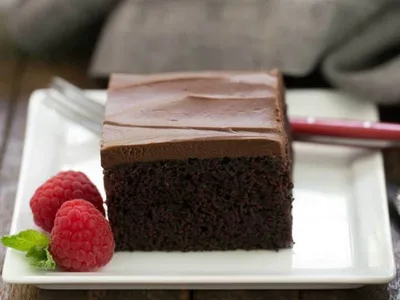
Black Magic Snack Cake with Cocoa Frosting
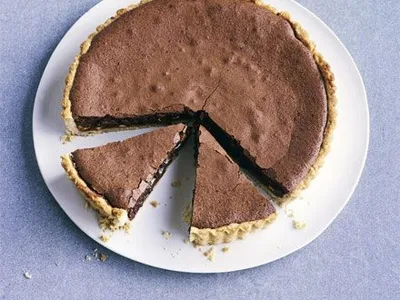
Chocolate Hazelnut Salted Caramel Tart
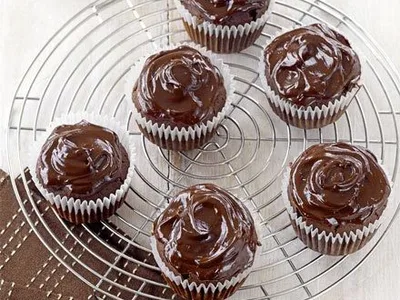
Easy Dark Chocolate Cupcakes with Ganache

Hot Fudge Sundae Cocoa with Vanilla Ice Cream
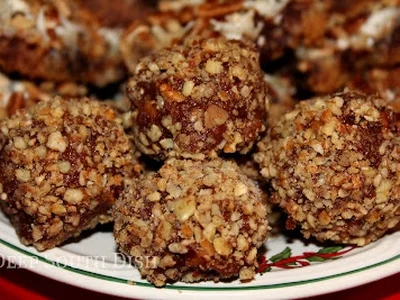
Old-Timey Rum Balls: No-Bake Boozy Confections