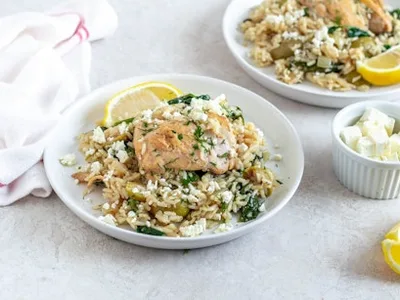
All About Dill
Dill is a feathery herb with a bright, grassy flavor that sits somewhere between anise and parsley. Fresh dill brings a cooling, almost citrusy note to fish dishes, potato salads, and yogurt sauces. The delicate fronds wilt quickly when cooked, so add them at the end. Dried dill packs more punch per teaspoon but lacks the fresh herb's bright green flavor.
How to Select
Look for dill with perky, bright green fronds that spring back when touched. Avoid bunches with yellowing leaves or slimy stems. The stems should snap cleanly when bent. A fresh bunch should smell grassy and slightly sweet when you rub the fronds between your fingers.
How to Store
Wrap unwashed dill stems in a damp paper towel, place in a plastic bag, and refrigerate for up to 5 days. Or stand the stems in a jar with 1 inch of water, cover loosely with plastic, and refrigerate for up to 7 days. Freeze chopped dill in ice cube trays with water or olive oil. Dried dill keeps for 6 months in an airtight container away from light.
How to Prep
Rinse dill under cold water and shake dry just before using. For chopped dill, hold the bunch by the stems and use kitchen shears to snip fronds directly over your dish. The tender stems near the fronds are flavorful too. Strip thicker stems by running your fingers down them. For dried dill, crush between your palms to release oils before measuring.
Flavor Pairings
Dill loves fish, especially salmon, cod, and prawns. It brightens mayonnaise-based salads and pairs beautifully with lemon juice, garlic, and olive oil in Greek dishes. The herb cuts through rich ingredients like butter and sour cream. Try it with potatoes, eggs, tomatoes, and feta cheese.
Cooking Tips
Add fresh dill in the last 2 minutes of cooking or sprinkle over finished dishes to preserve its flavor.
Use 1 teaspoon dried dill for every tablespoon of fresh called for in recipes.
Toast dill seeds in a dry pan for 30 seconds at medium heat to intensify their flavor before grinding.
Mix 2 tablespoons chopped dill into 1 cup Greek yogurt with a pinch of salt for an instant sauce.
Varieties
Need a substitute? See our Best Substitutes for Dill guide with tested ratios.
FAQ
Can I substitute dried dill for fresh?
Yes, but use less. Replace 1 tablespoon fresh dill with 1 teaspoon dried. Dried dill has a more concentrated, slightly bitter flavor that works better in cooked dishes than fresh applications. Add dried dill earlier in cooking, about 5 minutes before finishing, so it has time to rehydrate and release its oils.
Why does my dill turn brown so quickly?
Dill oxidizes rapidly once cut, turning brown within 2-3 hours at room temperature. The delicate fronds bruise easily, accelerating browning. Chop dill just before serving and store any leftover chopped dill in an airtight container for no more than 24 hours. Adding a few drops of lemon juice can slow oxidation.
What's the difference between dill weed and dill seed?
Dill weed refers to the fresh or dried leaves and stems, while dill seed comes from the flower heads. Seeds taste stronger, more like caraway, with warming notes. Use seeds in pickles, breads, and spice blends. One teaspoon of seeds equals about 2 tablespoons of fresh weed in terms of flavor intensity.
How much dill should I buy for a recipe?
One average bunch weighs 1-2 ounces and yields about 1/2 cup chopped dill. Most recipes call for 1-3 tablespoons, so a single bunch serves 4-8 portions. Buy 2 bunches if making dill-heavy dishes like tzatziki or salmon with dill sauce. The stems account for 40% of the weight but contain flavor too.
Recipes with Dill
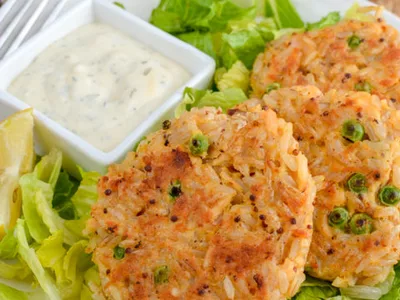
Baked Salmon and Brown Rice Cakes with Dill Yogurt
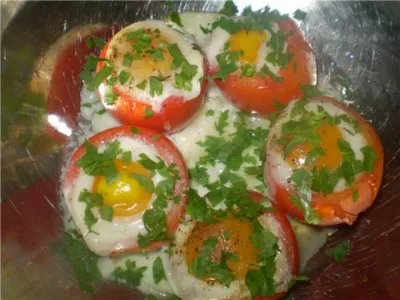
Baked Tomato Cups with Eggs and Herb Sauce
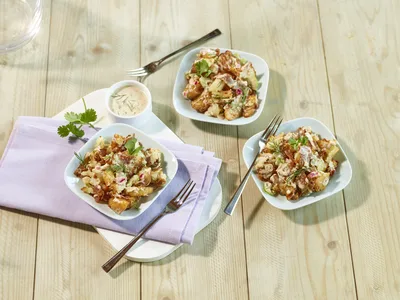
Crispy Asian-Spiced Smashed Potato Salad with Lemongrass
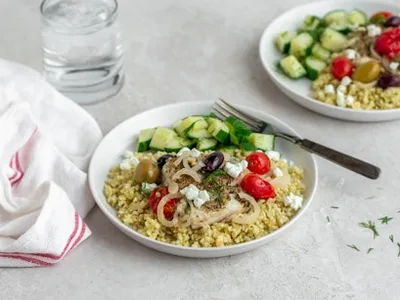
Greek-Style Oven-Baked Cod with Mediterranean Vegetables