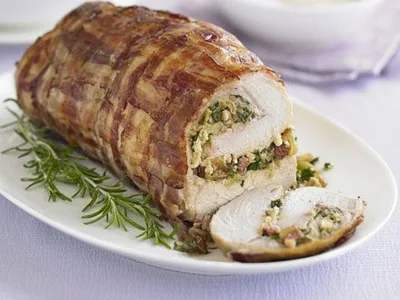
All About Egg
Eggs are the kitchen workhorse that bind your meatballs, leaven your cakes, and transform into perfect sunny-side-ups. Each large egg weighs about 50 grams and delivers 6 grams of protein. They bring structure to baked goods through their proteins, richness through their yolks, and lightness when whipped. From pasta dough to meringues to scrambled breakfast classics, eggs work as binders, emulsifiers, and leaveners across every cuisine.
How to Select
Check the sell-by date and aim for eggs dated at least 3 weeks out. Open the carton to ensure no cracks. Fresh eggs have thick whites that cling to the yolk when cracked. Skip any with thin, watery whites. Brown and white eggs taste identical. The shell color depends on the hen breed.
How to Store
Keep eggs in their original carton on a refrigerator shelf, not the door. The carton prevents odor absorption and moisture loss. Fresh eggs last 3-5 weeks past the pack date when refrigerated at 40°F. Hard-boiled eggs keep 7 days in the fridge. Raw whites freeze for up to 12 months. Yolks need a pinch of salt or sugar before freezing to prevent gelling.
How to Prep
For room temperature eggs in baking, submerge cold eggs in warm water for 5-10 minutes. Separate eggs while cold for cleaner breaks. Crack on a flat surface, not the bowl edge, to avoid shell fragments. When beating egg whites, ensure zero yolk contamination and use a clean metal or glass bowl. Even a trace of fat prevents proper whipping. Whites reach soft peaks in 2-3 minutes with an electric mixer.
Flavor Pairings
Eggs love dairy partners like butter, cream, and cheese in scrambles and quiches. Sweet applications pair them with vanilla, cinnamon, and citrus zest. Savory eggs work with herbs like chives, dill, and tarragon. Classic combinations include eggs with smoked salmon, asparagus, or bacon. In baking, they balance with flour and sugar to create structure.
Cooking Tips
For perfect hard-boiled eggs, start in cold water, bring to a boil, then remove from heat and let sit 12 minutes.
Scrambled eggs stay creamy when cooked over medium-low heat and removed at 160°F, still slightly wet.
Add 1 tablespoon water per egg when making omelets for fluffier results, cooking 2-3 minutes total.
Poached eggs work best with fresh eggs and water at 180°F with 1 tablespoon vinegar per quart.
Varieties
Need a substitute? See our Best Substitutes for Egg guide with tested ratios.
FAQ
How can I tell if an egg is fresh without cracking it?
Place the egg in a bowl of cold water. Fresh eggs sink and lay flat. Week-old eggs stand on one end. Eggs over 3 weeks old float. This happens because the air cell inside grows larger as eggs age. The float test works because eggshells are porous and lose moisture over time, making older eggs more buoyant.
Can I substitute egg sizes in baking?
Most recipes assume large eggs at 50 grams each. For precise baking, match the total weight rather than count. Three large eggs equal 150 grams. Use this formula: divide the recipe's total egg weight by your egg size weight. For example, if using medium eggs (44g), you need 3.4 eggs, so use 3 eggs plus 1 tablespoon beaten egg.
Why do some recipes call for room temperature eggs?
Room temperature eggs (around 70°F) incorporate better into batters and create more volume when whipped. Cold eggs can cause butter to solidify in cookie dough or prevent proper emulsification in mayonnaise. The proteins in warm eggs also unfold more readily, creating stronger networks in cakes. Quick fix: submerge cold eggs in 110°F water for 5 minutes.
What's the white stringy thing attached to my egg yolk?
Those rope-like strands are chalazae, which anchor the yolk in the center of the egg. Fresh eggs have prominent chalazae that look like thick white cords. They're pure protein and completely edible. Some cooks strain them out of custards for smoother texture, but leaving them in won't affect flavor. Prominent chalazae actually indicate freshness.
Recipes with Egg
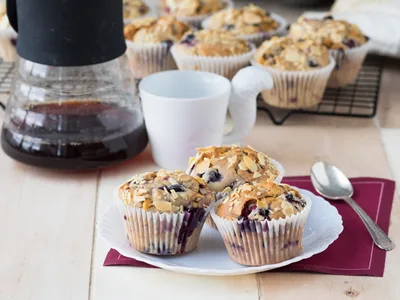
Berry White Chocolate Muffins with Almonds
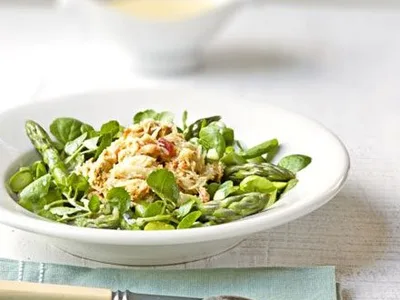
Crab and Asparagus Salad with Homemade Salad Cream
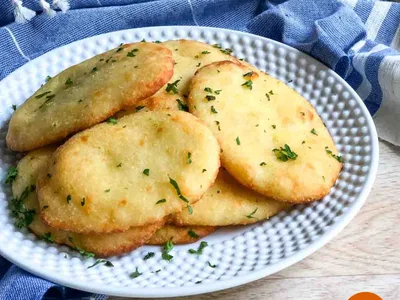
Garlic Keto Naan Bread with Mozzarella
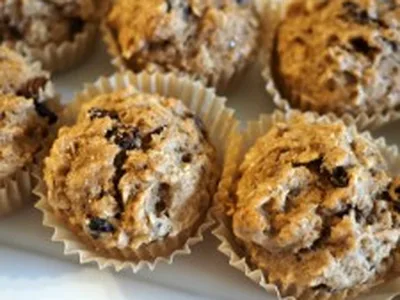
Maple Walnut Date Muffins with Oats
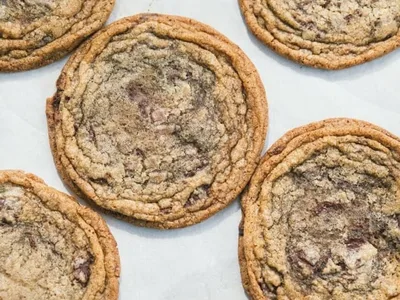
Pan-Banging Espresso Chocolate Cookies