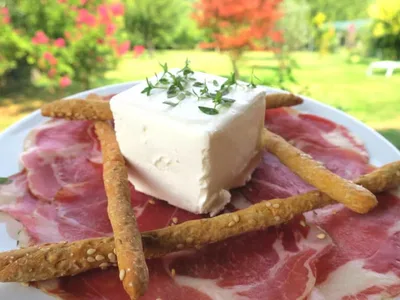
All About Egg White
Egg whites are the clear, protein-rich portion of an egg that surrounds the yolk. They contain about 90% water and 10% protein, with zero fat. In cooking, they create structure in meringues, soufflés, and angel food cakes through their ability to trap air when whipped. One large egg white weighs approximately 30 grams and provides 17 calories.
How to Select
Fresh egg whites should be thick and cloudy, not watery or thin. When buying separated whites in cartons, check the expiration date and ensure the container has no dents or leaks. The whites should have a slightly yellow tint, not completely clear. Avoid any with a pink or green color.
How to Store
Store fresh egg whites in an airtight container in the refrigerator for up to 4 days. For longer storage, freeze them in ice cube trays (2 tablespoons per cube) for up to 12 months. Thaw frozen whites overnight in the refrigerator. Carton whites stay fresh until the printed date when refrigerated at 40°F or below. Never store at room temperature.
How to Prep
For stable foam, bring whites to room temperature (68-72°F) before whipping, about 30 minutes out of the fridge. Add 1/8 teaspoon cream of tartar per white to stabilize foam. Beat on medium speed for 2 minutes until frothy, then high speed for 4-6 minutes until stiff peaks form. Any trace of yolk or grease will prevent proper whipping.
Flavor Pairings
Egg whites pair naturally with sugar in meringues and marshmallows, vanilla in angel food cake, and salt in savory applications like shrimp toast. They work well with acidic ingredients like lemon juice or cream of tartar that help stabilize their foam. Almond extract complements whites in macarons and financiers.
Cooking Tips
Whip whites in a copper or stainless steel bowl at 70°F for 25% more volume than cold whites.
Add sugar gradually after soft peaks form, using 2 tablespoons sugar per white for stable meringue.
Bake meringues at 200-225°F for 60-90 minutes until crisp outside but slightly chewy inside.
Fold whipped whites into batters using 3 gentle turns per addition to preserve up to 80% of volume.
Need a substitute? See our Best Substitutes for Egg White guide with tested ratios.
FAQ
How many egg whites equal one whole egg?
Two large egg whites (60 grams total) can replace one whole egg in most recipes. However, this substitution works best in recipes where eggs provide structure rather than richness. For recipes needing fat content, add 1 teaspoon of oil per replaced yolk. In baking, the lack of lecithin from yolks may affect texture, so results vary by recipe type.
Why won't my egg whites whip to stiff peaks?
The most common culprit is fat contamination. Even 0.1% fat can reduce foam volume by 50%. Check that your bowl and beaters are completely clean, with no plastic residue. Older whites (7+ days) whip faster but create less stable foam than fresh ones. The ideal pH for whipping is 8.5-9.0. Add 1/8 teaspoon lemon juice per white if needed.
Can I use carton egg whites for meringue?
Yes, but expect 15-20% less volume than fresh whites. Carton whites are pasteurized at 134°F, which slightly denatures the proteins. They work fine for Swiss and Italian meringues where you add hot sugar syrup. For French meringue, add an extra 1/4 teaspoon cream of tartar per cup of carton whites. Whipping time increases by 2-3 minutes.
What's the difference between soft, medium, and stiff peaks?
Soft peaks droop when you lift the beater, forming a 90-degree bend. Medium peaks hold their shape but the tip curls over slightly. Stiff peaks stand straight up without bending, and the mixture looks glossy. Soft peaks take 2-3 minutes, medium peaks 4-5 minutes, and stiff peaks 6-8 minutes at high speed. Overbeaten whites look grainy and separate.
Recipes with Egg White
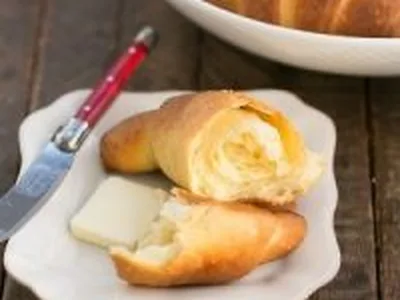
Buttery Homemade Crescent Rolls with Steam Bake
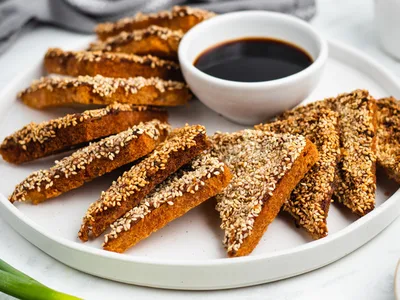
Crispy Shrimp Toast with Sesame Seeds
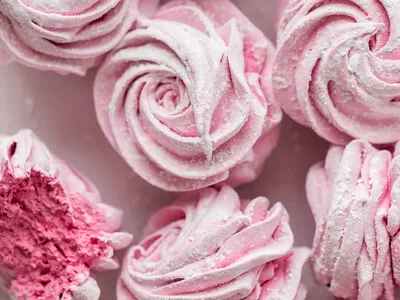
Homemade Blackberry Marshmallows with Agar Agar
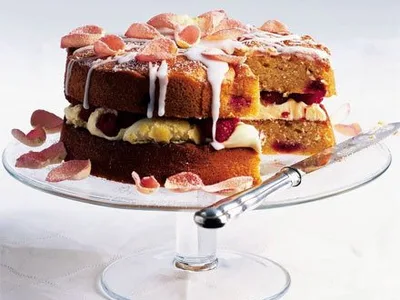
Frosted Rose Petal Jubilee Cake with Raspberries