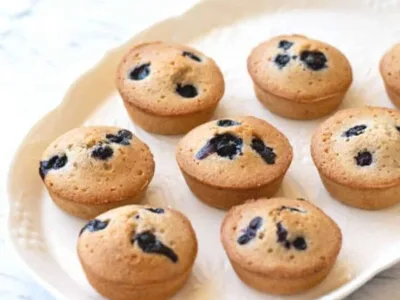
All About Egg Whites
Egg whites are the clear liquid part of an egg that turns white and firms up when cooked. They contain 3.6 grams of protein per large egg white and zero fat. In baking, they create structure through their proteins and trap air for leavening. In savory cooking, they bind ingredients and add moisture without the richness of yolks.
How to Select
Buy eggs with clean, uncracked shells. Check the sell-by date and choose eggs stored below 45°F. Grade AA eggs have thicker whites that whip better than Grade A. For meringues and soufflés, fresher eggs separate more cleanly. One large egg yields about 2 tablespoons of white.
How to Store
Fresh egg whites keep 2-4 days covered in the fridge. Freeze them in ice cube trays for up to 12 months. Each cube equals one egg white. Store pasteurized liquid whites unopened for 10 days past the sell-by date. Once opened, use within 3 days. Never leave whites at room temperature over 2 hours.
How to Prep
Separate eggs when cold but let whites reach 68-72°F before whipping. Crack on a flat surface and pass the yolk between shell halves. Even a trace of yolk prevents proper whipping. For stiff peaks, add 1/8 teaspoon cream of tartar per white. Beat on medium speed 2-3 minutes, then high speed 3-5 minutes until peaks hold their shape.
Flavor Pairings
Egg whites taste neutral, taking on flavors from vanilla, almond extract, or citrus zest. Sugar stabilizes whipped whites in meringues and buttercreams. Cream of tartar adds acidity for better foam stability. Salt enhances sweetness in desserts. In savory dishes, whites bind with breadcrumbs for coating shrimp or complement light herbs like chives.
Cooking Tips
Whip whites in a copper, stainless steel, or glass bowl. Plastic retains grease that prevents foaming.
Add sugar gradually after soft peaks form. Add 2 tablespoons per white, taking 30-45 seconds per addition.
Bake meringues at 200-225°F for 60-90 minutes. They're done when they lift cleanly off parchment.
Fold whipped whites into batters in thirds. First third lightens the base, making subsequent folding easier.
Varieties
Need a substitute? See our Best Substitutes for Egg Whites guide with tested ratios.
FAQ
Why won't my egg whites whip to stiff peaks?
Fat is the enemy of foam. Even 0.1% fat reduces foam volume by 50%. Check for yolk traces, use a clean bowl, and avoid plastic bowls that harbor grease. Older eggs with thinner whites also whip poorly. Add 1/8 teaspoon cream of tartar per white to stabilize the foam. Room temperature whites at 68-72°F whip faster and higher than cold ones.
Can I make meringue on a humid day?
Humidity above 60% makes meringue weep and turn sticky. The sugar absorbs moisture from the air. On humid days, use 1 extra tablespoon sugar per white and bake 15-20 minutes longer at 200°F. Store finished meringues immediately in an airtight container with parchment between layers.
How do I know when whites are pasteurized for safety?
Heat whites and 2 tablespoons sugar per white in a double boiler, whisking constantly until the mixture reaches 160°F on a thermometer, about 3-5 minutes. The mixture will thin out before thickening slightly. This kills salmonella while maintaining whipping ability. Alternatively, buy pasteurized liquid whites marked with a P symbol.
What's the difference between soft, medium, and stiff peaks?
Soft peaks droop when you lift the beaters, forming a 90-degree angle. Medium peaks hold their shape but the tip curls over. Stiff peaks stand straight up without drooping. Most cakes need soft to medium peaks. Meringues and soufflés require stiff peaks. Overbeating past stiff peaks makes whites grainy and dry, taking 30-60 seconds on high speed.
Recipes with Egg Whites
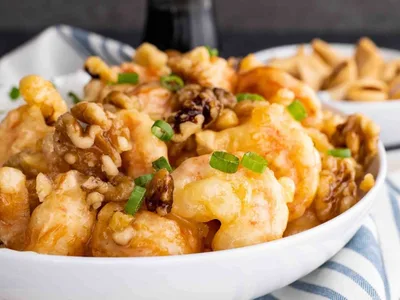
Crispy Honey Walnut Shrimp with Candied Walnuts
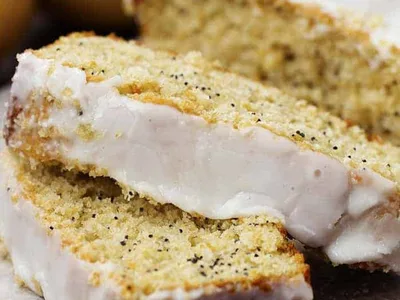
Healthy Greek Yogurt Lemon Poppyseed Pound Cake
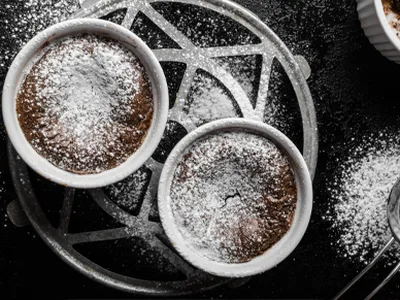
Never Fail Chocolate Souffle with Perfect Rise
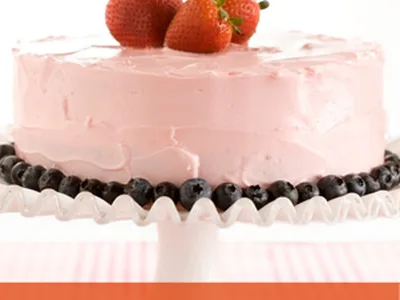
Sugar-Free Strawberry Layer Cake with Cream Cheese Frosting
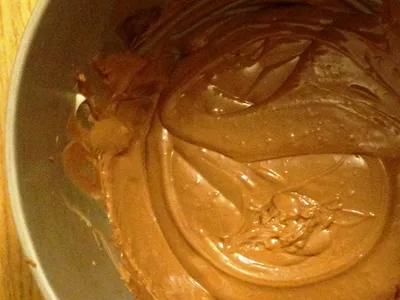
Swiss Meringue Chocolate Buttercream Frosting