All About Egg Yolk
Egg yolks are the golden centers of eggs, containing about 55 calories and 4.5g of fat each. They add richness to sauces, create silky custards, and bind ingredients in batters. A single large yolk weighs roughly 17g and contains lecithin, which acts as a natural emulsifier in mayonnaise and hollandaise. Their fat content makes cookies tender and pasta dough golden.
How to Select
Fresh yolks sit high and round when cracked onto a plate. Check the pack date on egg cartons, choosing ones within 3 weeks. Grade AA eggs have thicker whites and firmer yolks than Grade A. Brown and white eggs have identical yolks.
How to Store
Raw yolks last 2 days in the fridge covered with plastic wrap touching the surface. Add 1/8 teaspoon salt or sugar per yolk before freezing for up to 4 months. Store whole eggs pointy-end down in their original carton on a fridge shelf, not the door. Separated yolks dry out quickly, so use within 48 hours.
How to Prep
Separate eggs when cold by cracking and passing the yolk between shell halves, letting whites drip out. For ribbon stage, whisk yolks with sugar for 3-5 minutes until pale yellow and doubled in volume. Temper yolks by adding hot liquid slowly while whisking constantly to prevent scrambling. Room temperature yolks, left out 30 minutes, incorporate better into batters.
Flavor Pairings
Vanilla and sugar transform yolks into pastry cream and ice cream bases. Salt enhances their savory side in carbonara and aioli. Butter and yolks create hollandaise at 145°F. Lemon juice cuts through yolk richness in curds and mayonnaise. Cream and yolks make crème brûlée silky.
Cooking Tips
Yolks thicken at 149°F and scramble at 158°F, so keep custards below 170°F.
Add 1 extra yolk per 3 whole eggs in pasta dough for richer color and tender texture.
Brush yolk wash (1 yolk plus 1 tablespoon water) on pastry for deep golden color at 375°F.
Mix 2 yolks with 1 cup warm liquid first when making ice cream base to prevent curdling.
Varieties
Need a substitute? See our Best Substitutes for Egg Yolk guide with tested ratios.
FAQ
Why did my hollandaise break?
Temperature is critical. Keep the mixture between 140-150°F while whisking. Add butter slowly, about 1 tablespoon every 20 seconds. If it breaks, whisk a fresh yolk with 1 tablespoon warm water, then slowly add the broken sauce while whisking. The lecithin in the new yolk will re-emulsify the sauce.
Can I substitute whole eggs for yolks?
One whole large egg equals about 3 tablespoons, while one yolk is 1 tablespoon. For custards and ice cream, replacing 2 yolks with 1 whole egg makes the texture less rich and more icy. In cookies, each yolk you remove makes them 15% less tender.
How do I know if a yolk is still good?
Fresh yolks are firm and domed, sitting 0.5 inches high. Week-old yolks spread flatter but remain usable. Bad yolks have a sulfur smell and watery consistency. The white stringy bit (chalaza) attached to fresh yolks is normal. It keeps the yolk centered and indicates freshness.
What's the white film on cooked yolks?
That gray-green film forms when yolks cook above 170°F or sit in hot water over 12 minutes. The iron in yolks reacts with hydrogen sulfide in whites, creating ferrous sulfide. It's harmless but unappealing. Plunge hard-boiled eggs into ice water immediately to prevent it.
Recipes with Egg Yolk
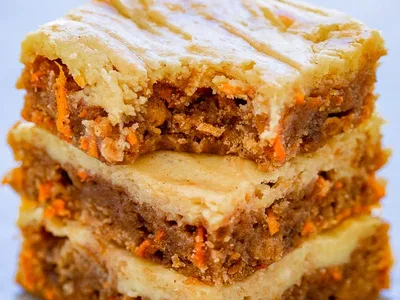
Carrot Cake Cream Cheese Swirl Blondies
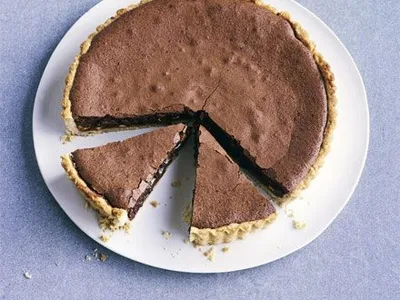
Chocolate Hazelnut Salted Caramel Tart

Classic Mince Pies with Spiced Fruit Filling
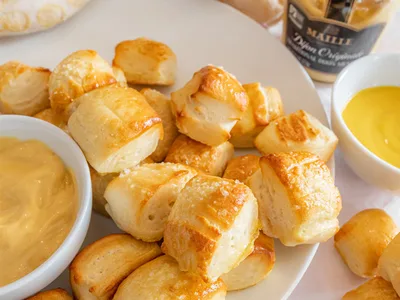
Homemade Soft Pretzel Bites with Baking Soda Bath
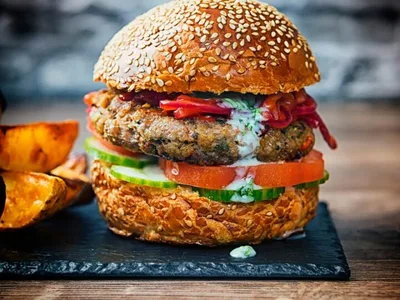
Indian Spicy Lamb Burgers with Pickled Onions