All About Eggs
Eggs are the kitchen workhorse that bind pancakes, leaven cakes, and turn into silky scrambles. Fresh eggs have firm whites that hold their shape when cracked and bright yellow or orange yolks that stand tall. They bring structure to baked goods through protein coagulation at 140-180°F, moisture from their 75% water content, and richness from the fatty yolk.
How to Select
Choose eggs with clean, uncracked shells. Grade AA eggs have thick whites that don't spread much when cracked. The sell-by date should be 3-5 weeks from purchase. Brown and white eggs taste identical. Pasture-raised eggs often have deeper orange yolks from the hens' varied diet.
How to Store
Keep eggs in their original carton on a refrigerator shelf at 40°F or below. The carton prevents odor absorption and moisture loss. Fresh eggs last 3-5 weeks past the pack date. Hard-boiled eggs keep 1 week refrigerated. Raw whites freeze for 12 months, yolks for 4 months when mixed with 1/8 teaspoon salt per 4 yolks.
How to Prep
Bring eggs to room temperature 30 minutes before baking for better volume. Separate eggs while cold by passing the yolk between shell halves. Crack on a flat surface, not the bowl edge. Beat whole eggs until uniform yellow, about 30 seconds. Whisk whites to soft peaks in 2-3 minutes, stiff peaks in 4-5 minutes.
Flavor Pairings
Eggs love dairy partners like butter, milk, and cream cheese in scrambles and custards. Vanilla extract enhances sweetness in cakes and cookies. Salt amplifies egg flavor at a ratio of 1/8 teaspoon per egg. Herbs like chives, dill, and tarragon complement savory preparations. Cinnamon and nutmeg work well in French toast and bread puddings.
Cooking Tips
Scramble eggs over medium-low heat at 250-275°F, stirring every 20 seconds for creamy curds.
Bake frittatas at 375°F for 20-25 minutes until the center jiggles slightly when shaken.
Poach eggs in water with 1 tablespoon vinegar per quart, simmering at 180-190°F for 3-4 minutes.
Room temperature eggs whip to 6-8 times their volume versus 4-5 times for cold eggs.
Varieties
Need a substitute? See our Best Substitutes for Eggs guide with tested ratios.
FAQ
How can I tell if an egg is fresh?
Place the egg in a bowl of water. Fresh eggs sink and lie flat. Week-old eggs stand on one end. Eggs over 3 weeks old float. This happens because the air cell inside grows larger as moisture evaporates through the porous shell. A fresh egg's air cell is 1/8 inch deep or less.
Why do my scrambled eggs turn out rubbery?
High heat causes egg proteins to squeeze out moisture and tighten. Cook scrambled eggs at 250-275°F, removing them from heat when they look slightly wet. They'll finish cooking from residual heat in 30-60 seconds. Adding 1 tablespoon milk or cream per 2 eggs also helps maintain tenderness by diluting the proteins.
Can I substitute egg sizes in baking?
Yes, but you need the right ratios. Large eggs weigh 2 ounces each. For every 5 large eggs, use 6 medium (1.75 ounces), 5 extra-large (2.25 ounces), or 4 jumbo (2.5 ounces) eggs. Small adjustments under 10% rarely affect results, but switching sizes in recipes calling for 4+ eggs requires proper conversion.
How do I prevent green rings on hard-boiled eggs?
Green rings form when eggs cook too long at high heat, causing sulfur and iron to react. Start eggs in cold water, bring to a boil, then remove from heat and let stand covered for 12 minutes. Transfer immediately to ice water for 5 minutes. This method keeps the yolk at 160-165°F, below the 170°F threshold where greening occurs.
Recipes with Eggs
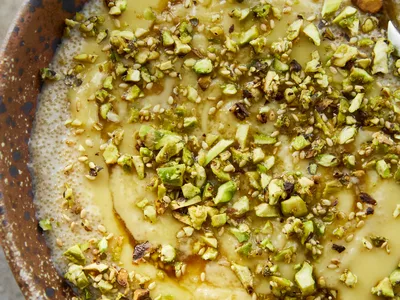
Creamy Amaranth Porridge with Meyer Lemon Maple Curd
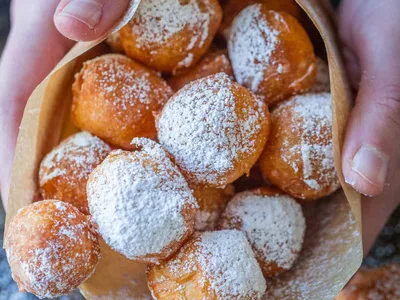
Easy Homemade Italian Zeppole Donuts with Choux Pastry
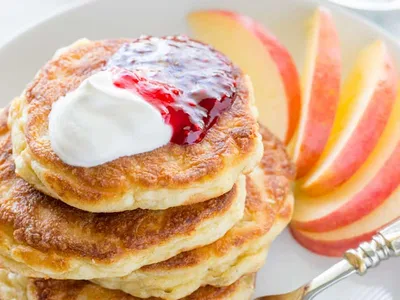
Fluffy Farmers Cheese Apple Pancakes (Syrniki)
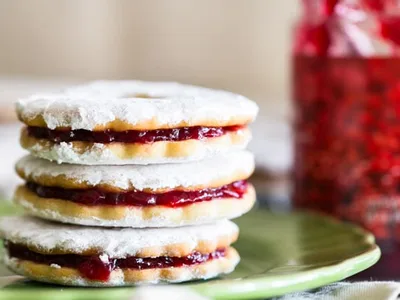
Jam-Filled Butter Cookies (Zirochki)
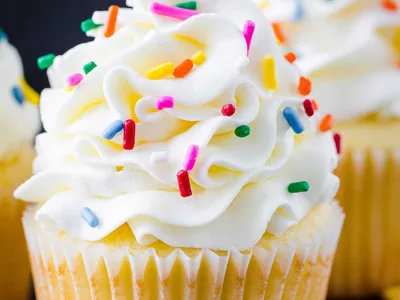
Perfect Vanilla Cupcakes with Buttermilk