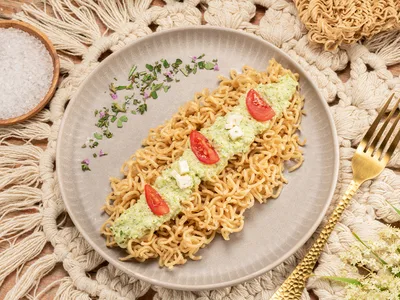
All About Feta
Feta is a brined white cheese made from sheep's milk or a mixture of sheep and goat's milk. This salty, tangy cheese crumbles easily and adds a creamy yet crumbly texture to salads, pasta, and baked dishes. Its sharp flavor mellows when heated, making it perfect for both cold and warm preparations.
How to Select
Look for feta stored in brine with a bright white color and no yellow spots. The cheese should feel firm but slightly springy when pressed. Avoid packages with cloudy brine or cheese that looks dry and chalky.
How to Store
Keep feta submerged in its original brine in an airtight container in the refrigerator for up to 3 weeks. If the brine runs low, make fresh brine with 1 teaspoon salt per cup of water. Once opened, vacuum-packed feta lasts 5 to 7 days. Freeze crumbled feta in portions for up to 3 months.
How to Prep
For crumbling, use a fork to break feta into 1/4 to 1/2 inch pieces. The cheese crumbles best at room temperature after sitting out for 15 minutes. For cubes, use a sharp knife dipped in warm water between cuts. Pat dry with paper towels before adding to hot dishes to prevent excess moisture.
Flavor Pairings
Feta pairs beautifully with olive oil, lemon juice, and garlic in Mediterranean dishes. Red onions bring out its sharpness while balsamic vinegar adds sweetness. The cheese complements eggs in frittatas and works well with roasted vegetables like mushrooms and cauliflower.
Cooking Tips
Bake feta at 400°F for 15 to 20 minutes until edges turn golden and center stays creamy.
Add crumbled feta during the last 2 minutes of cooking to preserve texture.
Mix 1 part feta with 2 parts Greek yogurt for a creamy sauce base.
Soak overly salty feta in cold water for 30 minutes before using.
Varieties
Need a substitute? See our Best Substitutes for Feta guide with tested ratios.
FAQ
Can I substitute feta for other cheeses?
Goat cheese works best as a substitute with similar tanginess and crumbly texture. Use 3/4 the amount since goat cheese is richer. Ricotta salata offers comparable saltiness but lacks feta's tang. For baking, use 1.5 times the amount of crumbled queso fresco to match feta's moisture content.
Why does my feta turn mushy when cooked?
Feta contains about 56% moisture and melts differently than aged cheeses. Keep cooking temperatures below 425°F and add feta during the final 5 minutes. Pre-crumbled feta often contains anti-caking agents that make it drier and better for high-heat cooking.
How much feta should I use per serving?
Plan on 1 to 2 ounces per person for salads and 2 to 3 ounces for baked dishes where feta is the main cheese. A standard 7-ounce block serves 3 to 4 people in a Greek salad. For pasta dishes, use 4 ounces of feta per pound of pasta.
What's the white liquid in my feta container?
That's brine made from salt water that keeps feta fresh and maintains its texture. The salt concentration should be around 7%. Never drain this liquid. If you accidentally pour it out, make replacement brine immediately or your feta will dry out within 2 days.
Recipes with Feta

Greek Orzo Salad with Creamy Tzatziki Dressing
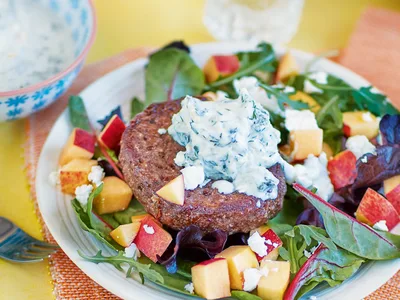
Grilled Lamb Tandoori Burgers with Feta and Nectarine
Oven-Baked Leek and Potato Frittata with Feta
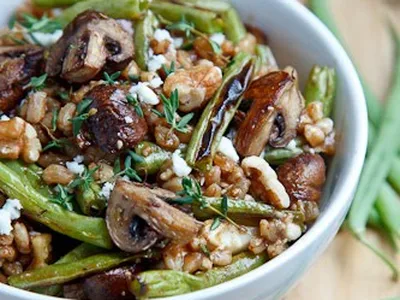
Roasted Mushroom Green Bean Farro Salad with Balsamic
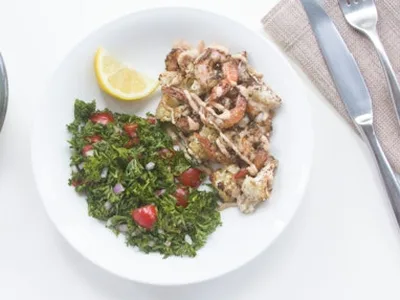
Roasted Za'atar Shrimp and Cauliflower with Spiced Yogurt