All About Fish Sauce
Fish sauce is fermented anchovy liquid that adds salty, funky depth to Southeast Asian cooking. Made from anchovies packed with salt for 6-12 months, it delivers umami punch without fishy taste when used correctly. A teaspoon transforms pad thai, pho broth, or stir-fries. Think of it as liquid MSG that makes food taste more like itself.
How to Select
Good fish sauce looks like weak tea, clear amber to reddish-brown. Check the label for two ingredients only: anchovies and salt. Avoid bottles with sugar or preservatives. Red Boat and Three Crabs rate well at $5-8 for 24 ounces. Shake the bottle. Quality sauce forms bubbles that disappear within 3 seconds.
How to Store
Keep unopened bottles in the pantry for 3 years. After opening, store at room temperature for 6 months or refrigerate for 2 years. The salt prevents spoilage. White crystals may form in cold storage. These salt deposits dissolve when the sauce warms. Dark glass bottles protect flavor better than clear plastic. Never freeze fish sauce.
How to Prep
Start with half the amount recipes call for, then adjust. One tablespoon equals 3 teaspoons. For marinades, mix 1 part fish sauce with 2 parts lime juice and 1 part sugar. Dissolve sugar first. For dipping sauce, combine 2 tablespoons fish sauce, 4 tablespoons water, 2 tablespoons lime juice, 1 tablespoon sugar, and sliced chilies. Let stand 10 minutes before serving.
Flavor Pairings
Fish sauce loves acidic ingredients. Lime juice cuts through saltiness while sugar balances funk. Garlic and fish sauce create the base for most Thai stir-fries. Use 1 teaspoon fish sauce per 2 cloves garlic. Coconut milk mellows intensity in curries. Soy sauce and fish sauce work 1:1 in marinades for double umami.
Cooking Tips
Add fish sauce during the last 2 minutes of cooking. Heat above 140°F makes it bitter.
Replace half the salt in any recipe with fish sauce using a 1:2 ratio. One teaspoon fish sauce equals half teaspoon salt.
Mix 1 tablespoon fish sauce into ground meat before forming burgers or meatballs. Rest 15 minutes before cooking.
Brush 1:1 fish sauce and brown sugar on grilled vegetables during the last 3 minutes for caramelized edges.
Varieties
Need a substitute? See our Best Substitutes for Fish Sauce guide with tested ratios.
FAQ
How much fish sauce equals salt?
Two teaspoons fish sauce replaces 1 teaspoon table salt in cooking. Fish sauce contains 25-40% sodium by weight compared to salt's 40% sodium. The fermented proteins add savory notes beyond pure saltiness. Start with a 2:1 substitution ratio and adjust. Remember fish sauce adds liquid to recipes while salt doesn't.
Can I make pad thai without fish sauce?
Traditional pad thai needs fish sauce for authentic flavor. Mix 2 tablespoons tamarind paste, 2 tablespoons fish sauce, and 1 tablespoon palm sugar for classic sauce serving 2 portions. Soy sauce substitution creates different flavor. For allergies, try 1 tablespoon soy sauce plus 1 teaspoon worcestershire sauce per 2 tablespoons fish sauce. The dish works but tastes noticeably different.
Why does my fish sauce smell so strong?
Fish sauce smells intense straight from the bottle due to concentrated fermentation compounds. The aroma mellows dramatically when mixed into food. Quality sauce aged 12+ months smells less harsh than 6-month versions. If unopened sauce smells rotten rather than funky, it's spoiled. Properly stored sauce keeps its pungent-but-clean smell for 3 years unopened.
What's the difference between fish sauce and oyster sauce?
Fish sauce is thin, salty liquid from fermented anchovies. Oyster sauce is thick, sweet-salty syrup from cooked oyster extracts with cornstarch and sugar. Fish sauce adds pure umami at 1 tablespoon per dish. Oyster sauce provides glossy coating at 2-3 tablespoons per stir-fry. They serve different purposes. Fish sauce seasons, oyster sauce glazes.
Recipes with Fish Sauce
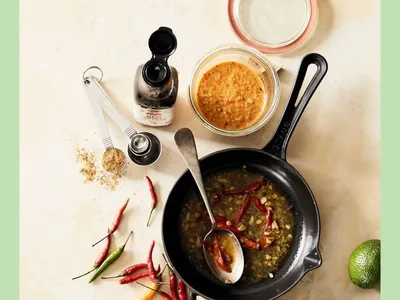
Chile-Garlic Sauce with Lime and Fish Sauce
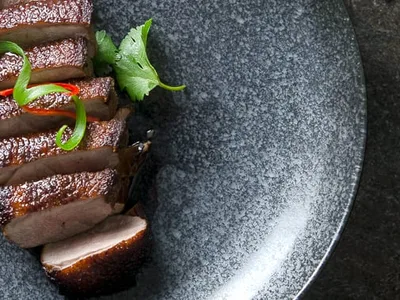
Green Tea-Smoked Duck Breasts with Aromatic Spices
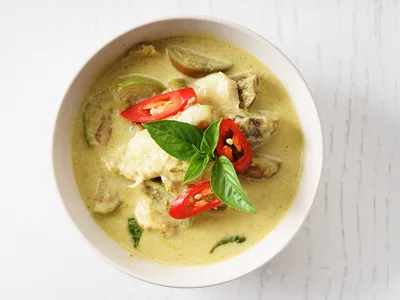
Instant Pot Green Curry with Chicken and Vegetables
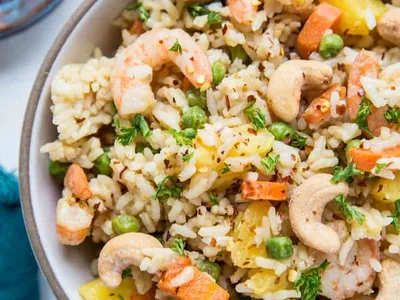
Thai Pineapple Fried Rice with Shrimp and Curry Paste
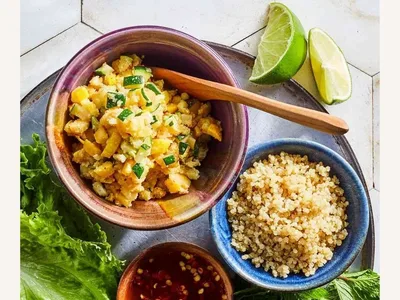
Thai Zucchini Larb with Toasted Rice & Quinoa