All About Goat Cheese
Goat cheese brings tangy, creamy richness to everything from salads to tarts. Made from goat's milk, it has a distinctive bright flavor that softens with cooking. Fresh varieties crumble easily over beets and greens, while aged types develop earthy notes perfect for cheese boards. Its lower lactose content makes it easier to digest than cow's milk cheeses.
How to Select
Press the package gently. Fresh goat cheese should feel soft but not liquid. Check the sell-by date and choose packages at least 2 weeks out. Avoid any with yellow edges or liquid pooling. The cheese should look pure white or ivory, never gray.
How to Store
Keep unopened goat cheese refrigerated at 35-40°F for up to 3 weeks past the sell-by date. Once opened, wrap tightly in plastic wrap or store in an airtight container. Use within 7-10 days. Harder aged varieties last 3-4 weeks wrapped in parchment then plastic. Never freeze fresh goat cheese as it becomes grainy.
How to Prep
For crumbling, chill cheese 30 minutes first. Use two forks or your fingers to break into 0.25-inch pieces. To soften for spreading, let sit at room temperature 20-30 minutes. For baking, slice logs with unflavored dental floss into 0.5-inch rounds. Pat surface dry with paper towels before searing or broiling to achieve golden crust.
Flavor Pairings
Goat cheese loves honey's sweetness and balsamic vinegar's tang. It melts beautifully with roasted beets, caramelized onions, and butternut squash. Fresh herbs like basil and thyme brighten its creamy base. Olive oil smooths its texture for spreads. Pair with walnuts, figs, or pears on cheese boards.
Cooking Tips
Bake goat cheese rounds at 375°F for 12-15 minutes until edges turn golden.
Mix 4 ounces goat cheese with 2 tablespoons cream for smoother pasta sauce.
Add crumbled cheese during last 2 minutes of cooking to prevent separation.
Freeze log 10 minutes before slicing for cleaner cuts, especially for salads.
Varieties
Need a substitute? See our Best Substitutes for Goat Cheese guide with tested ratios.
FAQ
Why does my goat cheese taste too strong?
Temperature affects goat cheese flavor intensity. Cold cheese straight from the fridge tastes sharper. Let it warm to 65-70°F before serving to mellow the tang. Older cheese develops stronger flavors too. Fresh chèvre stays mild for 2 weeks, then sharpens. Mix strong-tasting cheese with 2 tablespoons cream or ricotta per 4 ounces to soften the bite.
Can I substitute goat cheese for cream cheese?
Yes, but expect tangier results. Use equal amounts by weight. Goat cheese has 20% less moisture than cream cheese, so add 1 tablespoon milk per 4 ounces when making frostings or dips. For baking, the substitution works best in savory dishes. Sweet applications need extra sugar to balance the tang.
How do I prevent goat cheese from melting into sauce?
Keep heat below 165°F to maintain distinct chunks. Remove pan from heat before stirring in cheese. For pasta, toss cheese with hot noodles off the burner. In soups, add during the last 30 seconds. For pizza, add halfway through baking. Cold cheese holds its shape better than room temperature.
What's the white powder on aged goat cheese?
That's calcium lactate crystals, safe to eat. They form as cheese ages past 60 days. The crystals add pleasant crunch and indicate proper aging. Soft fresh goat cheese develops surface mold instead, appearing as fuzzy white or blue spots. Scrape off any mold and use within 2 days.
Recipes with Goat Cheese
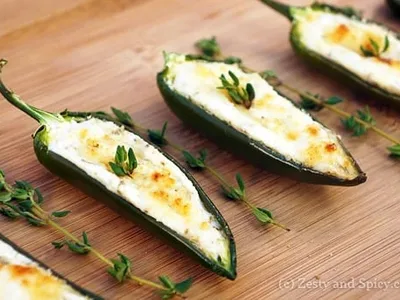
Baked Goat Cheese Stuffed Jalapenos

Beet Bruschetta with Goat Cheese and Basil

Butternut Squash Goat Cheese Galette

Four Cheese Jalapeno Poppers with Cream Cheese and Asiago

Loaded Potato Pimento Cheese Deviled Eggs