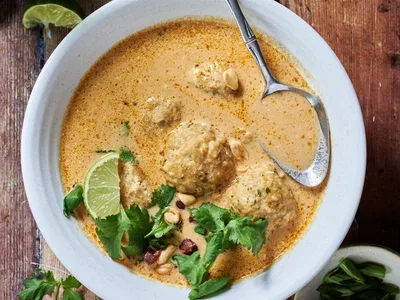
All About Juice Of 1 Lime
Lime juice brightens any dish it touches. One medium lime yields about 2 tablespoons of juice. Its sharp acidity cuts through fat, balances sweetness, and makes flavors pop. Think of it as liquid sunshine that wakes up marinades, dressings, and salsas. Fresh beats bottled every time.
How to Select
Pick limes that feel heavy for their size. The skin should give slightly when pressed. Avoid hard, light limes. They're dry inside. Smooth, thin skin means more juice than thick, bumpy skin. Yellow patches are fine. Brown spots mean overripe.
How to Store
Keep whole limes on the counter for 1 week or in the fridge crisper for 3-4 weeks. Store cut limes cut-side down on a plate, covered, for 3 days max. Fresh juice keeps 2-3 days refrigerated in a sealed container. Freeze juice in ice cube trays. Each cube equals about 1 tablespoon. Frozen cubes last 3 months.
How to Prep
Roll limes on the counter with your palm before cutting. This breaks cell walls and releases 20% more juice. Cut crosswise through the middle, not lengthwise. Use a reamer or fork to extract juice. Strain out pulp and seeds through fine mesh. One lime averages 2 tablespoons juice, but can range from 1 to 3 tablespoons depending on size and freshness.
Flavor Pairings
Lime loves heat from chili and jalapeno. It balances their burn. Cilantro and lime are best friends in Mexican cooking. Garlic and lime create the base for countless marinades. Red onion mellows when hit with lime juice. In Thai dishes, lime plays with fish sauce and coconut. The acid makes mango and watermelon taste sweeter.
Cooking Tips
Add lime juice after cooking. Heat destroys its bright flavor in under 30 seconds.
Use a 3:1 ratio of oil to lime juice for balanced vinaigrettes that won't separate.
Marinate fish in lime juice for 15 minutes max. Longer and the acid starts cooking it like ceviche.
Zest before juicing. One lime gives 1 teaspoon zest plus those 2 tablespoons of juice.
Varieties
FAQ
Can I substitute bottled lime juice?
Fresh tastes better but bottled works in marinades and cooked dishes. Use the same amount. Bottled juice has preservatives that taste metallic in raw applications like guacamole or ceviche. If you must use bottled, add 1/4 teaspoon sugar per 2 tablespoons to balance the harsh preservative taste.
How many limes should I buy for a recipe?
Buy 2 limes for every 1 the recipe calls for. Limes vary wildly in juice content. A dry lime might give 1 tablespoon while a juicy one gives 3 tablespoons. Having extras prevents mid-recipe grocery runs. Plus you can add more to taste, which most recipes suggest.
Why is my lime juice bitter?
You're squeezing too hard or including pith. The white pith contains bitter compounds. Press gently when juicing. Stop when you feel resistance. Also check your limes. Old limes develop bitter flavors after 4 weeks in the fridge. Fresh limes taste tart, not bitter.
What's the difference between lime juice measurements?
Recipes use three measurements. 'Juice of 1 lime' means squeeze one whole lime, usually 2 tablespoons. '1 lime, juiced' means the same thing. '2 tablespoons lime juice' is an exact measurement. When recipes say 'juice of 1 lime, or to taste,' start with 2 tablespoons then adjust.
Recipes with Juice Of 1 Lime
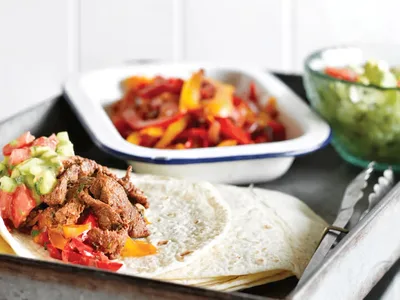
Barbecued Beef Fajitas with Avocado Salsa
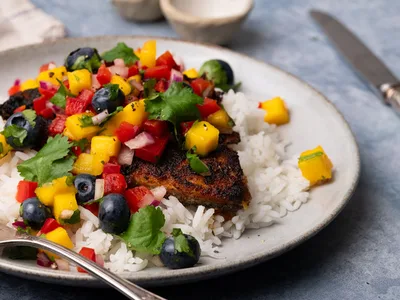
Blackened Pan-Seared Tilapia with Fresh Mango Blueberry Salsa
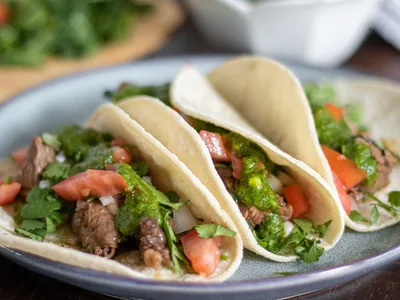
Chimichurri Steak Tacos with Fresh Herb Sauce

Honey Lime Salmon with Couscous and Blueberry Crisp
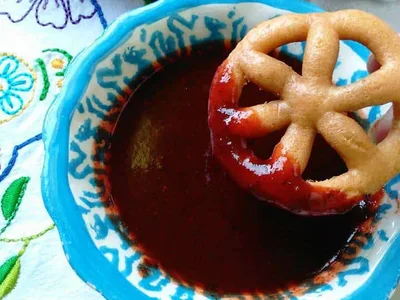
Homemade Chamoy Sauce with Hibiscus and Dried Chiles