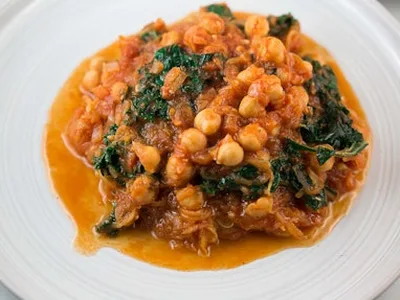
All About Kale
Kale is a leafy green vegetable with sturdy, ruffled leaves that hold up well to heat. Raw kale adds crunch and a slightly bitter, peppery flavor to salads. Cooked kale becomes tender in 5-10 minutes and develops a mild, earthy sweetness. Its hearty texture makes it perfect for soups, pasta dishes, and sautés where spinach would wilt too much.
How to Select
Choose kale with firm, deeply colored leaves. Avoid yellowing or wilted bunches. Smaller leaves taste milder than large ones. The stems should snap when bent. One bunch typically weighs 8-10 ounces and yields 6-8 cups chopped.
How to Store
Keep unwashed kale in a plastic bag in the crisper drawer for 5-7 days. Wash only what you'll use immediately. Blanched kale freezes well for 8-10 months. Store prepped kale wrapped in damp paper towels inside a container for 2-3 days. Wilted kale can be revived in ice water for 10 minutes.
How to Prep
Strip leaves from stems by holding the bottom and pulling upward. Stems take 3-4 minutes longer to cook than leaves. For salads, remove stems and chop leaves into ribbons 1/4 inch wide. Massage raw kale with 1 tablespoon oil per 4 cups for 2-3 minutes to soften. For cooking, rough chop into 2-inch pieces.
Flavor Pairings
Kale loves garlic, olive oil, and lemon juice. The bitterness balances creamy ingredients like butternut squash, white beans, or sharp cheeses. Italian sausage and kale make a classic pairing in soups and pasta. Chickpeas add protein and nutty flavor. Chili flakes bring heat that complements kale's earthiness.
Cooking Tips
Sauté kale in 2 tablespoons olive oil over medium-high heat for 5-7 minutes until wilted but still bright green.
Add kale to soups during the last 10 minutes of cooking to preserve texture and nutrients.
Bake kale chips at 275°F for 20-22 minutes, flipping once halfway through.
One bunch of raw kale cooks down to about 1.5 cups, a 4:1 ratio.
Varieties
Need a substitute? See our Best Substitutes for Kale guide with tested ratios.
FAQ
Should I eat the stems?
Kale stems are edible but need extra cooking time. Slice them thin and add to the pan 3-4 minutes before adding leaves. For stems thicker than 1/4 inch, save them for stock or compost. Young kale has tender stems you can eat raw.
Why massage kale for salads?
Massaging breaks down the tough cellulose structure, reducing volume by 40-50 percent. Use 1 tablespoon oil or lemon juice per 4 cups chopped kale. Rub leaves between your hands for 2-3 minutes until they darken and soften. This removes bitterness and makes raw kale easier to digest.
How much kale should I buy?
One bunch (8-10 ounces) serves 2-3 people as a side dish or 4-6 in soup. Fresh kale reduces to about 25 percent of its raw volume when cooked. For kale chips, one bunch makes 2 sheet pans worth, serving 2-4 as a snack.
Can I use frozen kale?
Frozen kale works well in cooked dishes but not salads. A 10-ounce frozen package equals about 1 bunch fresh. Add frozen kale directly to soups and stews without thawing. For sautéing, thaw first and squeeze out excess water. Frozen kale cooks 2-3 minutes faster than fresh.
Recipes with Kale

Cooper Sharp Grilled Cheese with Mushrooms and Kale

Creamy Italian Sausage Potato Kale Soup - Hearty Comfort Bowl

Hearty Mushroom Farro Vegetable Stew with Kale
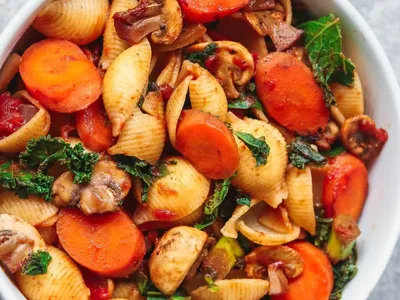
Vegan Gluten-Free Mushroom Pasta with Kale and Tomatoes

Whole Wheat Chickpea Savory Crepes with Kale Avocado