All About Lime
Limes are small citrus fruits that add bright acidity to dishes. Their juice cuts through rich foods, balances sweetness, and brings a sharp tang that wakes up your palate. A single lime yields about 2 tablespoons of juice and 1 teaspoon of zest. Both juice and zest work differently in cooking. Juice adds liquid and acid while zest contributes aromatic oils without moisture.
How to Select
Choose limes that feel heavy for their size. A 2-ounce lime should yield more juice than a lighter one. The skin should give slightly when pressed. Hard limes are underripe. Avoid soft spots or brown patches. Bright green color means nothing. Yellow-tinged limes can be perfectly ripe.
How to Store
Keep whole limes in the crisper drawer for up to 3 weeks. Store cut limes cut-side down on a plate, covered, for 3 days max. Freeze lime juice in ice cube trays. Each cube holds about 1 tablespoon. Frozen juice keeps 6 months. Zest freezes well in an airtight container for 3 months. Room temperature limes yield 20% more juice than cold ones.
How to Prep
Roll limes on the counter before cutting to break down membranes and release more juice. Cut lengthwise for wedges, crosswise for wheels. For maximum juice, microwave whole limes 10 seconds before squeezing. Zest before juicing using a microplane grater. One medium lime gives about 1 teaspoon zest. Remove only the green outer layer. The white pith underneath tastes bitter.
Flavor Pairings
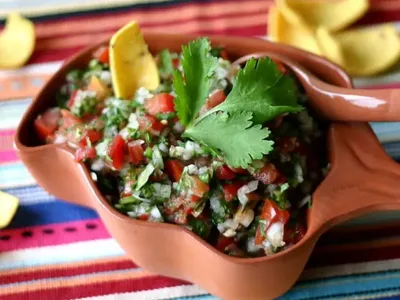
Lime pairs naturally with cilantro in Mexican cooking. The combination appears in salsas, guacamole, and marinades. Salt amplifies lime's brightness. Try 1/4 teaspoon salt per 2 tablespoons juice. Garlic and lime create the base for many Asian dressings. Cumin adds earthiness that grounds lime's sharpness. Avocado's creaminess needs lime's acid to stay balanced.
Cooking Tips
Add lime juice after cooking. Heat destroys its fresh flavor in under 30 seconds.
Use a 3:1 ratio of lime juice to fish sauce for Vietnamese dipping sauces.
Marinate chicken in lime juice for 30 minutes max. Longer makes meat mushy.
Mix 1 tablespoon lime juice with 1/2 teaspoon sugar to mellow harsh acidity.
Varieties
Need a substitute? See our Best Substitutes for Lime guide with tested ratios.
FAQ
How much juice does one lime yield?
A medium Persian lime yields 2 tablespoons juice. Key limes give about 1 tablespoon each. Room temperature limes produce more juice than cold ones. Rolling before cutting increases yield by up to 25%. Microwaving for 10 seconds also helps. Very fresh limes sometimes yield 3 tablespoons. Old, dry limes might give only 1 tablespoon.
Can I substitute bottled lime juice for fresh?
Bottled juice works for marinades and cooked dishes but tastes flat in fresh applications. Use 25% less bottled juice than fresh since it's concentrated. A 4-ounce bottle equals juice from about 8 limes. Bottled juice keeps 12 months unopened, 6 months opened in the fridge. Fresh juice tastes best within 24 hours of squeezing.
Why did my lime turn brown?
Limes brown from cold damage below 50°F or from age. Brown spots don't affect juice quality if the flesh looks normal. Whole brown limes are usually dry inside. Check by squeezing gently. If rock hard, discard. Some yellowing is normal as limes ripen. Fully yellow limes taste less tart than green ones.
What's the difference between lime zest and juice in recipes?
Zest adds aromatic lime flavor without liquid or acid. Use it in dry rubs, baked goods, and butter. Juice brings acidity and moisture. One teaspoon zest has more lime flavor than 2 tablespoons juice but no tartness. Zest works better in cooked dishes since heat doesn't destroy its oils like it does with juice. Many recipes use both for complete lime flavor.
Recipes with Lime
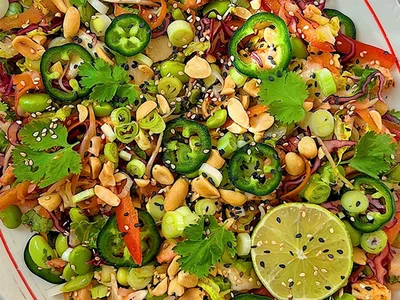
Asian Chopped Salad with Quorn Sweet Chilli Fillets
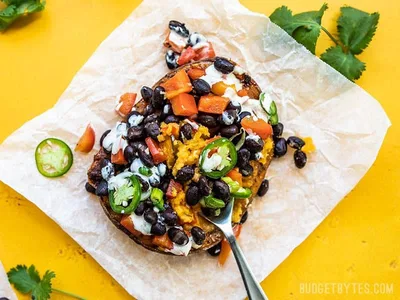
Jerk-Spiced Sweet Potatoes with Chipotle Lime Crema
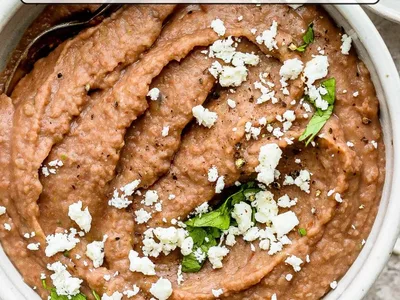
Quick Skillet Refried Beans with Cumin and Lime
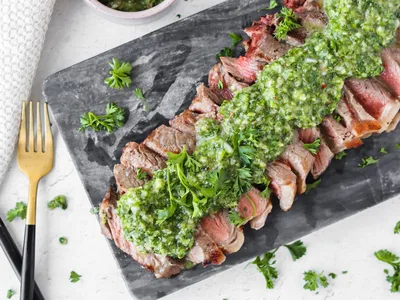
Simple Grilled Steak with Fresh Herb Chimichurri