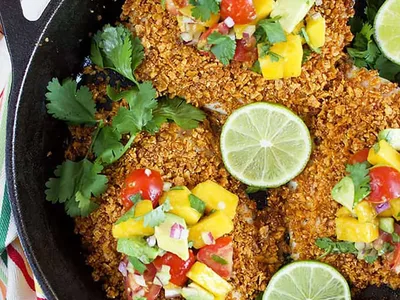
All About Lime Zest
Lime zest is the outermost green layer of lime peel, packed with aromatic oils that add bright citrus flavor without the juice's acidity. This potent ingredient contains 5 times more flavor compounds than the juice itself. Home cooks reach for zest when they want lime's essence in cookies, marinades, or fish dishes where extra liquid would interfere with texture.
How to Select
Choose limes with smooth, firm skin and deep green color. Heavy fruit contains more juice and fresher zest. Avoid limes with soft spots, yellowing, or wrinkled skin. Persian limes work best for zesting. One medium lime yields about 2 teaspoons of zest.
How to Store
Fresh zest keeps 3 days refrigerated in an airtight container. Freeze zest in 1-teaspoon portions wrapped in plastic for up to 6 months. Store whole limes at room temperature for 1 week or refrigerated in the crisper drawer for 3-4 weeks. Zest limes before juicing. Once zested, use the fruit within 2 days.
How to Prep
Use a microplane grater held at 45 degrees, rotating the lime to remove only the green layer. Stop when you see white pith. A vegetable peeler creates strips for garnish. Remove any pith with a sharp knife. For finely chopped zest, mince strips with 1/4 teaspoon sugar to prevent clumping. One lime typically yields 2 teaspoons grated or 1 tablespoon strips.
Flavor Pairings
Lime zest loves heat from garlic, ginger, and chili. It balances rich ingredients like coconut milk, avocado, and butter. Classic pairings include cilantro in Mexican dishes, fish sauce in Thai cooking, and vanilla in desserts. The oils in zest cut through fatty fish like salmon. Sugar amplifies its aromatics in cookies and glazes.
Cooking Tips
Add zest during the last 2 minutes of cooking to preserve volatile oils. Heat above 140°F starts evaporating flavor compounds.
Mix 1 teaspoon zest with 2 tablespoons sugar and let sit 10 minutes before adding to batters. This releases maximum flavor.
For marinades, use a 1:3 ratio of zest to juice. The zest penetrates meat while juice stays on the surface.
Zest directly over your mixing bowl. Up to 30% of oils spray into the air during grating.
Varieties
FAQ
How much zest does one lime produce?
A medium Persian lime yields 2 teaspoons of finely grated zest or 1 tablespoon of strips. Key limes produce about half that amount. The exact yield depends on your grating technique and how thoroughly you work around the fruit. Professional kitchens calculate 1.5 teaspoons per lime for recipe scaling.
Can I substitute dried or bottled zest?
Fresh zest contains volatile oils that dissipate within hours of grating. Dried zest has lost 70% of these compounds. If you must substitute, use 1/3 the amount of dried zest or 1/2 teaspoon extract per teaspoon of fresh. Better option: freeze fresh zest in ice cube trays with a teaspoon of water per cube.
Why does my zest taste bitter?
You're grating too deep and catching the white pith layer, which contains bitter compounds called limonoids. The green layer should be just 1 millimeter thick. Light pressure and frequent rotation prevent deep grating. If you see any white on your grater, you've gone too far. Practice on the first lime before zesting for a recipe.
Should I zest before or after juicing?
Always zest first. A firm, whole lime provides better grip and control for safe grating. After juicing, the collapsed fruit becomes slippery and harder to handle. Zested limes keep 2 days refrigerated, giving you fresh juice when needed. Room temperature limes yield 20% more juice than cold ones.
Recipes with Lime Zest
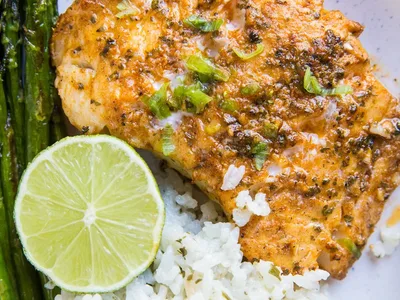
Chili Lime Baked Cod with Garlic and Paprika Marinade

Crispy Fried Chicken with Cumin-Achiote Spice Rub

Individual Key Lime Souffles with Fresh Mint
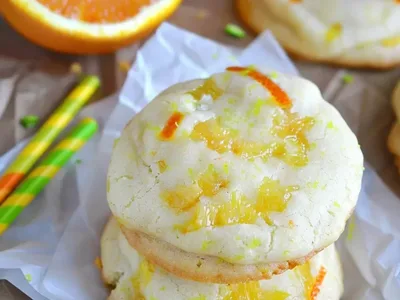
Sweet and Tangy Triple Citrus Butter Cookies with Glaze
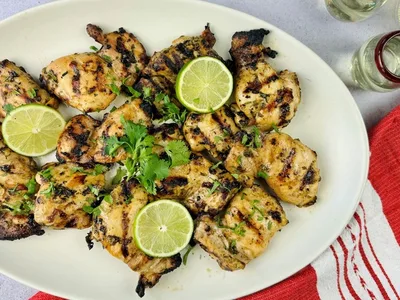
Tequila Lime Grilled Chicken Thighs