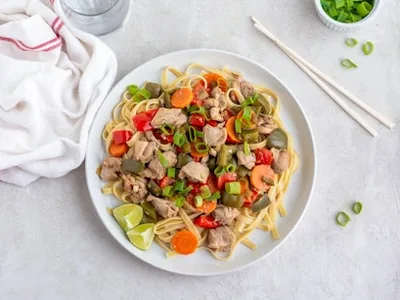
All About Limes
Limes are small citrus fruits that add bright acidity to dishes from tacos to pad thai. Their juice cuts through fat, balances sweetness, and makes flavors pop. A single lime yields about 2 tablespoons of juice and 1 teaspoon of zest. Both the juice and aromatic oils in the peel turn everything from marinades to cocktails.
How to Select
Pick limes that feel heavy for their size, which means more juice. The skin should be smooth and give slightly when pressed. Avoid hard, light limes or ones with soft spots. Persian limes turn yellow when overripe but are still usable for juice.
How to Store
Keep limes in the crisper drawer for up to 3 weeks. Store cut limes wrapped tightly in plastic for 3 days. Freeze whole limes for 6 months, then microwave for 10 seconds before juicing. Fresh lime juice keeps 2 days refrigerated, or freeze in ice cube trays for 3 months. Zest freezes well in airtight containers for 6 months.
How to Prep
Roll limes on the counter with your palm before cutting to break down membranes and release 30% more juice. Cut lengthwise through the stem for easier squeezing. For wedges, slice in half lengthwise, then cut each half into 3 or 4 pieces. Zest before juicing using a microplane, avoiding the bitter white pith.
Flavor Pairings
Lime pairs brilliantly with cilantro in Mexican salsas and Vietnamese pho. The acid cuts through coconut milk in Thai curries and balances fish sauce. Garlic and lime create the base for Cuban mojo. Salt amplifies lime's tartness in margaritas. Soy sauce and lime juice make a quick Asian dipping sauce.
Cooking Tips
Add lime juice after cooking to preserve its bright flavor. Heat destroys vitamin C and dulls the taste after 2 minutes at 140°F.
Use a 3:1 ratio of lime juice to sugar for balanced marinades. Marinate fish for 15 minutes max or the acid will start cooking it.
Muddle lime wedges with 1/2 teaspoon sugar before adding to drinks to extract oils from the peel.
Brush lime juice on avocados immediately after cutting to prevent browning for up to 4 hours.
Varieties
FAQ
How much juice does one lime yield?
A medium Persian lime yields 2 tablespoons of juice. Key limes produce about 1 tablespoon each. Room temperature limes give 20% more juice than cold ones. Microwaving a cold lime for 10 seconds helps release juice. Rolling before cutting increases yield by another 30%.
Can I substitute bottled lime juice?
Bottled juice works for marinades and cooked dishes but lacks the bright oils from fresh zest. Use 3/4 the amount called for since bottled juice is more concentrated. Fresh juice has a clean tartness that fades within 48 hours. Bottled juice contains preservatives that create a slightly metallic aftertaste in raw applications like guacamole.
Why do my limes turn brown?
Limes develop brown spots from cold damage below 50°F or from ethylene gas produced by nearby apples and bananas. These spots don't affect the juice quality. Brown patches on the stem end indicate age. Use these limes within 3 days. Store limes away from other produce to prevent premature browning.
What's the difference between lime zest and peel?
Zest is just the colored outer layer containing aromatic oils. Peel includes the bitter white pith underneath. Use a microplane or vegetable peeler to remove only the green layer. One lime yields about 1 teaspoon of zest. The oils in zest add fragrance that juice alone can't provide.
Recipes with Limes
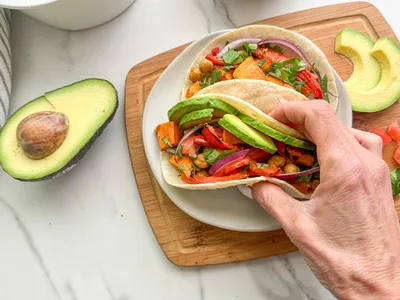
Chile-Lime Sweet Potato Chickpea Sheet-Pan Tacos
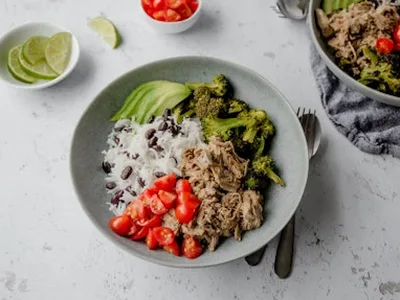
Cuban Rice and Black Bean Bowl with Roasted Plantains
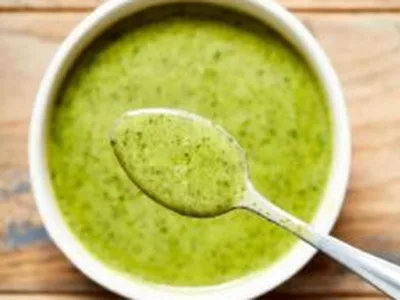
Blended Jalapeño Cilantro Vinaigrette
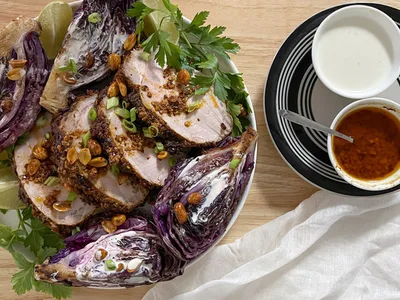
Spicy Pork Loin With Charred Cabbage and Coconut Slaw
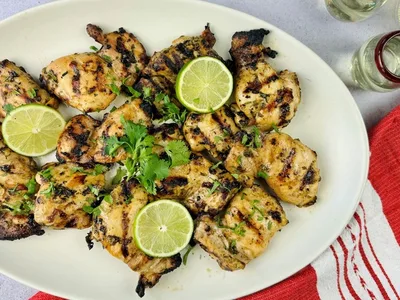
Tequila Lime Grilled Chicken Thighs