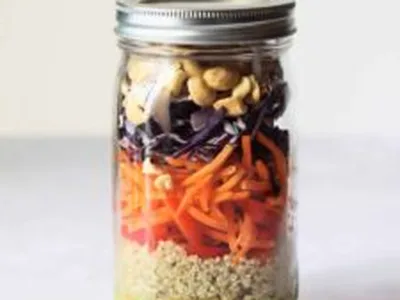
All About Low Sodium Soy Sauce
Low sodium soy sauce delivers the same umami depth as regular soy sauce with 40% less salt. Made from fermented soybeans and wheat, it adds savory complexity to stir-fries, marinades, and dipping sauces. A 1-tablespoon serving contains 575mg sodium compared to 920mg in regular soy sauce, making it better for blood pressure manaent while keeping that characteristic fermented soybean flavor.
How to Select
Check the sodium content on the label. True low sodium versions contain 550-600mg per tablespoon. The liquid should be dark amber, not black. Avoid bottles with sediment or cloudy appearance. Glass bottles preserve flavor better than plastic.
How to Store
Keep unopened bottles in a cool pantry for up to 3 years. Once opened, refrigerate and use within 6 months for best flavor, though it stays safe for 2 years. Store in the original bottle or transfer to an airtight glass container. The cold slows oxidation that dulls the umami taste. Room temperature storage works but shortens optimal flavor window to 3 months.
How to Prep
Measure carefully since the lower salt content means you might need 25% more than regular soy sauce. Mix 2 parts low sodium soy sauce with 1 part water for a lighter dipping sauce. For marinades, combine equal parts with rice vinegar and add 1 tablespoon brown sugar per quarter cup. Shake the bottle before using to redistribute any settled proteins.
Flavor Pairings
Sesame oil amplifies the nutty notes while rice vinegar adds brightness. Brown sugar balances the saltiness in glazes. Fresh garlic and green onions complement without overpowering. Honey creates glossy stir-fry sauces. Cornstarch mixed with soy sauce at a 1:4 ratio thickens sauces perfectly.
Cooking Tips
Add during the last 2 minutes of stir-frying at 375°F to prevent burning the sugars.
Mix 1 tablespoon cornstarch per 1/4 cup soy sauce for glossy coating sauces.
Marinate proteins for 30 minutes at room temperature or 2 hours refrigerated.
Reduce by half over medium heat (180°F) for concentrated glazes in 5-7 minutes.
Varieties
FAQ
Can I substitute regular soy sauce?
Yes, but dilute it. Mix 3 parts regular soy sauce with 1 part water to approximate low sodium versions. This brings a tablespoon down to about 690mg sodium. The flavor stays similar but slightly less complex than true low sodium varieties that undergo special brewing processes.
Why does my stir-fry sauce taste weak with low sodium soy sauce?
Low sodium soy sauce has 40% less salt, which affects overall flavor impact. Compensate by using 25% more volume or adding umami boosters like 1 teaspoon fish sauce per 1/4 cup soy sauce. MSG at 1/4 teaspoon per tablespoon also helps. Let marinades sit 30 minutes longer than usual.
How much sodium am I actually saving?
Regular soy sauce contains 920mg sodium per tablespoon. Low sodium versions have 575mg. If a recipe uses 1/4 cup (4 tablespoons), you save 1,380mg sodium total. That's over half the 2,300mg daily recommended limit. Coconut aminos drops it further to just 90mg per tablespoon.
Does low sodium soy sauce expire faster?
Not significantly. Both regular and low sodium versions last 2-3 years unopened. Once opened, both keep 6 months refrigerated for peak flavor. The difference is that low sodium versions show quality decline more obviously through color darkening and flavor flattening after the 6-month mark.
Recipes with Low Sodium Soy Sauce
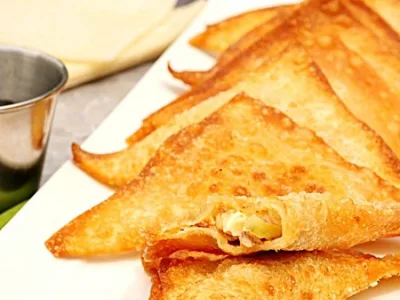
Bacon Cream Cheese Wontons with Honey Soy Sauce
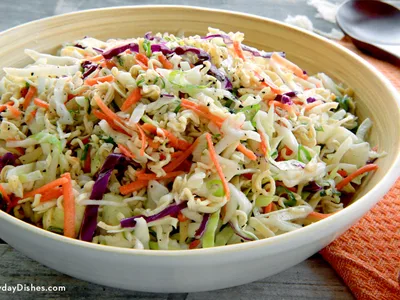
Crunchy Asian Ramen Salad with Honey Vinaigrette
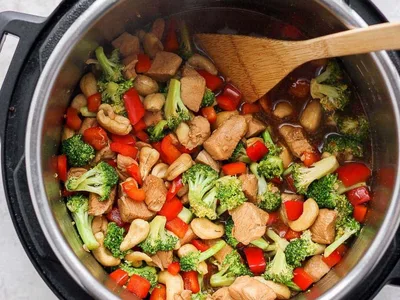
Instant Pot Soy-Maple Chicken Stir Fry with Cashews
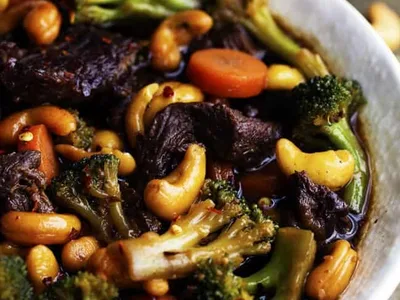
Slow Cooker Cashew Beef and Broccoli with Soy Glaze
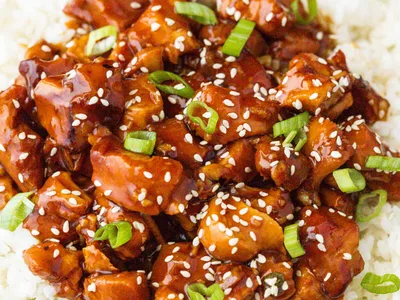
Slow Cooker Orange Chicken with Sesame and Green Onions