All About Mayo
Mayo is an emulsion of oil and egg yolks that creates a thick, creamy spread with a tangy bite. It brings moisture to sandwiches, acts as a binding agent in salads, and creates golden crusts when used as a coating for baked fish or chicken. The fat content, typically 65-80%, makes it ideal for keeping lean proteins moist during cooking.
How to Select
Check the expiration date first. Glass jars show separation better than squeeze bottles. Avoid any with oil pooling on top or yellowing around the edges. For cooking, full-fat versions with 11g fat per tablespoon work best. Light versions with 3-5g fat won't create the same golden crust.
How to Store
Keep unopened jars in the pantry for up to 3 months past the sell-by date. Once opened, refrigerate and use within 2-3 months. Store in the main fridge compartment at 35-38°F, not the door where temperature fluctuates. Homemade mayo lasts 3-5 days in an airtight container. Never leave mayo-based dishes at room temperature for more than 2 hours.
How to Prep
For spreading, let refrigerated mayo sit at room temperature for 10 minutes to soften. When making dressings, thin with 1 tablespoon liquid per 0.25 cup mayo. For baking, brush directly onto proteins or mix with 2 tablespoons grated parmesan per 0.5 cup mayo for extra browning. Whisk vigorously for 30 seconds when mayo looks separated.
Flavor Pairings
Mayo's mild tang pairs perfectly with acidic ingredients like lemon juice (1 tablespoon per 0.5 cup) or dijon mustard (2 teaspoons per 0.25 cup). Garlic powder adds depth without moisture. For Mexican dishes, thin with lime juice. Japanese-style gets sesame oil. Russian salads need dill pickle brine mixed in.
Cooking Tips
Brush 2 tablespoons mayo on fish before baking at 425°F for 12-15 minutes for a golden crust.
Mix equal parts mayo and sour cream for potato salad dressing that won't get watery.
Add 1 tablespoon mayo per pound of ground meat for burgers that stay moist at 160°F internal temp.
Thin mayo with 2 parts buttermilk for ranch-style dressing with 35% fewer calories.
Varieties
Need a substitute? See our Best Substitutes for Mayo guide with tested ratios.
FAQ
Can I substitute Greek yogurt for mayo?
Yes, but only in cold preparations. Use a 1:1 ratio for chicken salad or coleslaw. Greek yogurt has 5g protein per 0.25 cup versus mayo's 0g, but contains 80% more water. This extra moisture will make baked coatings soggy. For creamy dressings, use half yogurt and half mayo to maintain thickness while cutting calories by 40%.
Why does my homemade mayo keep breaking?
Temperature is critical. All ingredients must be at 68-72°F. Add oil at 1 teaspoon per 5 seconds for the first 0.25 cup, then stream slowly. If it breaks, start fresh with 1 egg yolk and slowly whisk the broken mayo back in. Use 0.75 cup neutral oil per egg yolk. Too much oil or adding it too fast causes 90% of failures.
Is mayo safe to use as a marinade?
Mayo makes an excellent marinade base. Its pH of 3.6-4.0 is acidic enough to tenderize meat. Marinate chicken or fish for 2-4 hours in the refrigerator, pork for up to 8 hours. The oil content helps seasonings stick while the acid breaks down proteins. Always discard used marinade. Pat proteins dry before grilling to prevent flare-ups from the 11g fat per tablespoon.
Recipes with Mayo
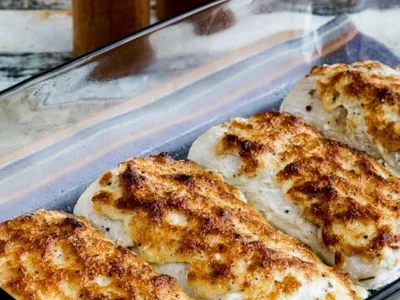
Baked Mayo Parmesan Fish with Szeged Rub
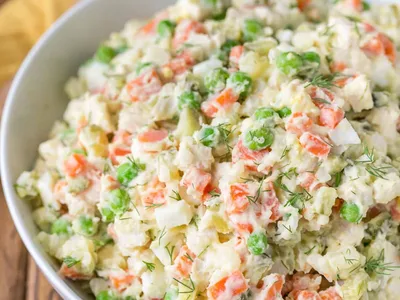
Chicken Olivye Salad with Dill Pickles
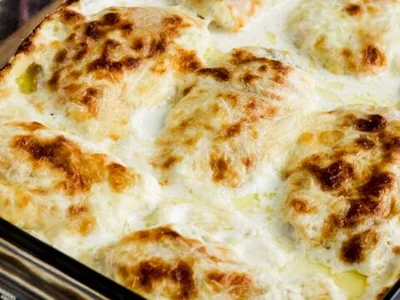
Creamy Baked Chicken Cordon Bleu with Parmesan Crust
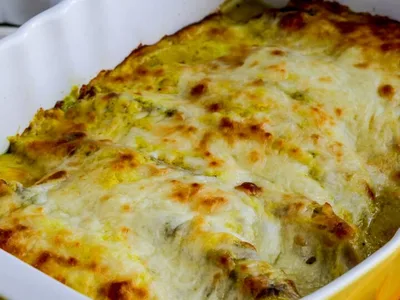
Creamy Curry Chicken Casserole with Mozzarella
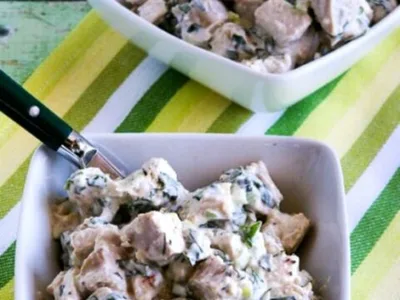
Fresh Basil Chicken Salad with Buttermilk Parmesan Dressing