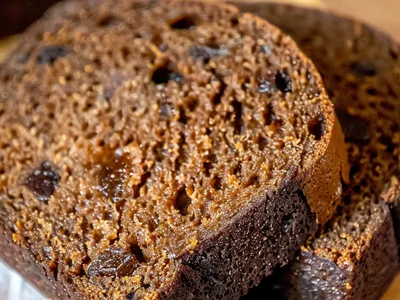
All About Molasses
Molasses is the dark, thick syrup left behind after sugar cane processing. This sticky sweetener brings deep caramel flavor and moisture to baked goods, with mineral notes that range from mild to bitter depending on the type. In gingerbread cookies, it creates that signature chewy texture and warm spice backdrop. In baked beans, it adds sweetness that balances vinegar and tomato.
How to Select
Look for jars labeled unsulphured for the cleanest taste. The color tells you everything: light amber means mild sweetness, dark amber brings stronger flavor, and blackstrap looks almost black with a bitter edge. Check the pour spout isn't crusted with dried syrup. A 12-ounce jar lasts most home bakers 6 months.
How to Store
Keep molasses in the pantry at room temperature for up to 2 years. The original jar works fine, just wipe the threads clean after each use to prevent sticking. If crystals form after 18 months, warm the jar in hot water for 10 minutes. Once opened, molasses stays good indefinitely but darkens and thickens over time. No refrigeration needed.
How to Prep
Spray your measuring cup with cooking spray before pouring molasses. It slides right out. For recipes needing 1/4 cup or more, microwave the jar for 20 seconds to make pouring easier. When substituting for sugar, use 1 1/3 cups molasses per cup of sugar and reduce liquids by 5 tablespoons. The acidity in molasses activates baking soda, so check your leavening ratios.
Flavor Pairings
Molasses loves warm spices. Ground ginger and cinnamon appear in nearly every molasses cookie recipe for good reason. The mineral notes complement brown sugar's butterscotch flavor. Butter softens molasses's sharp edges. In savory dishes, it balances acidic tomatoes and vinegar while playing well with smoky chipotle and bacon. Vanilla extract rounds out the bitter notes in blackstrap varieties.
Cooking Tips
Add 1/2 teaspoon baking soda per cup of molasses in cookies for extra lift and lighter texture.
Bake molasses cookies at 350°F for 10-12 minutes until edges set but centers stay soft.
Mix molasses into wet ingredients first at room temperature to prevent clumping when it hits cold butter.
Use a 3:1 ratio of molasses to soy sauce for glazing ribs during the last 20 minutes at 325°F.
Varieties
Need a substitute? See our Best Substitutes for Molasses guide with tested ratios.
FAQ
Can I substitute honey for molasses?
Honey works but changes the flavor completely. Use 3/4 cup honey per 1 cup molasses and add 1/4 teaspoon baking soda to mimic molasses's acidity. Your gingerbread will taste lighter and floral instead of deep and spicy. Maple syrup makes a better substitute in most recipes. For authentic flavor in classics like Boston brown bread, stick with molasses.
Why do my molasses cookies spread too much?
Chilling the dough for 30 minutes prevents spreading. Molasses makes dough sticky and prone to spreading at temperatures above 375°F. Also check your measurements. Too much molasses relative to flour causes flat cookies. The ideal ratio is 1/4 cup molasses per 2 cups flour. Reduce butter by 1 tablespoon if cookies still spread after chilling.
What's the white stuff on my molasses?
Sugar crystals form naturally after 12-18 months. They're harmless. Warm the jar in a bowl of hot water for 5 minutes to dissolve them. This happens faster with temperature changes, so avoid storing molasses near the stove. Crystallization actually means your molasses is pure without additives that prevent crystal formation.
Is blackstrap molasses really healthier?
Blackstrap contains 20% of your daily iron in 1 tablespoon, plus calcium and potassium. Regular molasses has minimal nutrients. But blackstrap tastes bitter and metallic. Save it for health tonics mixed with warm water. For baking, dark molasses gives better flavor. The nutritional difference won't matter in the 2 tablespoons you get per cookie serving.
Recipes with Molasses
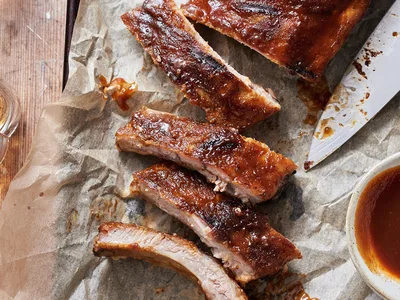
Cider and Chipotle-Glazed Baby Back Ribs with Homemade BBQ Sauce
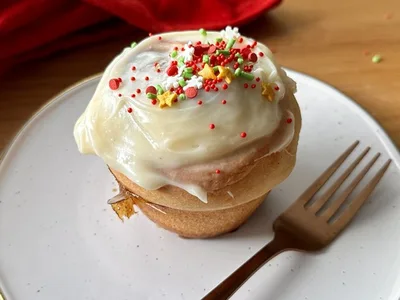
Gingerbread Cinnamon Buns with Cream Cheese Icing
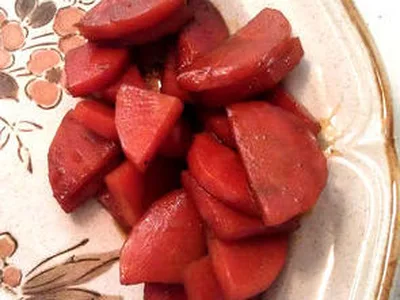
Glazed Molasses Ginger Carrots with Bias Cut
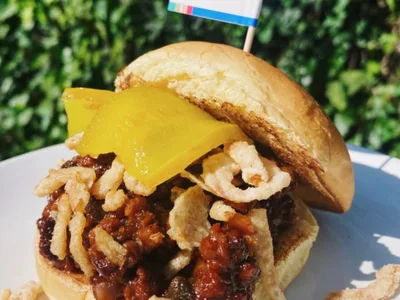
Plant-Based Sloppy Joes with Grape Jelly BBQ
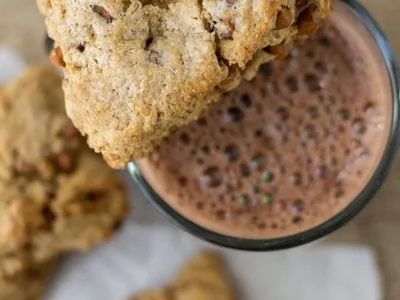
Spiced Cinnamon Chip Scones with Molasses and Warm Spices