All About . Olive Oil
Olive oil is the backbone of Mediterranean cooking and a workhorse in kitchens worldwide. Pressed from olives, it brings fruity, peppery, or buttery notes depending on the variety. Use it for sautéing at medium heat up to 375°F, drizzling raw over salads, or mixing into marinades. Its smoke point ranges from 325°F for unfiltered extra virgin to 465°F for light refined versions.
How to Select
Check the harvest date, not the best-by date. Look for oil harvested within 18 months. Dark glass or tin protects from light damage. Extra virgin should smell fresh like grass or green tomatoes. Avoid anything that smells musty or like crayons.
How to Store
Keep in a cool, dark cupboard at 57-70°F. Never store near the stove. Use within 2 years of harvest date or 6 months after opening. Transfer to smaller bottles as you use it to minimize air exposure. Refrigeration extends life but causes cloudiness that clears at room temperature. Rancid oil smells like old nuts or putty.
How to Prep
For sautéing, heat oil over medium until it shimmers and moves like water, about 2-3 minutes. For salad dressings, whisk 3 parts oil to 1 part acid slowly to emulsify. For marinades, combine equal parts oil and acid with aromatics. Let proteins marinate 30 minutes at room temp or up to 24 hours refrigerated.
Flavor Pairings
Garlic and olive oil form the base of aglio e olio and countless Mediterranean dishes. Lemon juice cuts through the richness in dressings and marinades. Black pepper amplifies the peppery notes in extra virgin oils. Kosher salt helps ingredients brown when sautéing. Paprika blooms in warm oil, releasing smoky flavors.
Cooking Tips
Heat olive oil to 325-375°F for pan frying. Above 410°F, it smokes and turns bitter.
Mix 3 tablespoons oil with 1 tablespoon vinegar for basic vinaigrette that coats 4 cups greens.
Brush vegetables with oil 5 minutes before grilling ends to prevent burning while adding flavor.
Store homemade garlic oil in the fridge and use within 1 week to prevent botulism risk.
Varieties
Need a substitute? See our Best Substitutes for Olive Oil guide with tested ratios.
FAQ
Why does my olive oil turn solid in the fridge?
Olive oil contains fatty acids that solidify below 55°F. This is normal and doesn't affect quality. The oil returns to liquid at room temperature in 10-30 minutes. Some producers winterize their oil to prevent this, but solidification actually indicates the oil hasn't been heavily processed. Store at 57-70°F to keep it liquid.
Can I reuse olive oil after frying?
You can strain and reuse olive oil up to 3 times if you kept it below 375°F. Cool completely, strain through coffee filters to remove particles. Store in a sealed container for up to 1 month. Each use degrades the oil and lowers the smoke point by 10-20°F. Discard if it smells off, looks dark, or foams excessively when heated.
What's the difference between cooking and finishing olive oil?
Cooking oils are refined versions that handle heat up to 465°F without breaking down. Finishing oils are high-quality extra virgins with complex flavors that shine when drizzled raw. A $30 bottle of finishing oil adds grassy, peppery notes to completed dishes. Save it for drizzling over soup, salads, or grilled vegetables where you taste it directly.
How much olive oil should I use for roasting vegetables?
Use 1-2 tablespoons per sheet pan of vegetables. For 1 pound of vegetables, toss with 1 tablespoon oil to coat evenly. Root vegetables need the full 2 tablespoons because their dense structure requires more fat to crisp properly at 425°F. Too much oil steams instead of roasts, leaving vegetables soggy.
Recipes with . Olive Oil
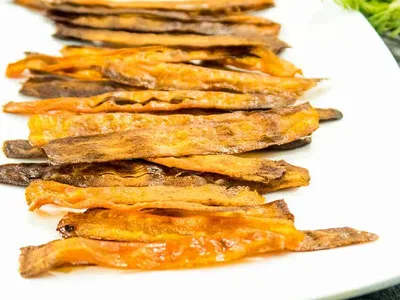
Baked Crispy Carrot Bacon, Vegan & Gluten Free
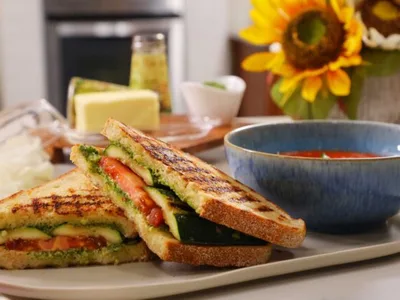
Grilled Zucchini Pesto Sandwich and Creamy Tomato Soup
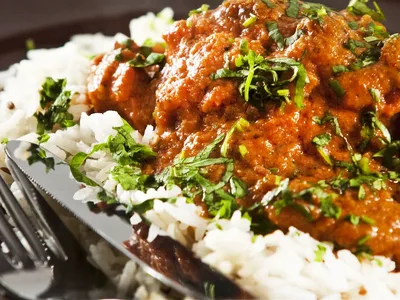
Slow Cooker Keto Chicken Tikka Masala
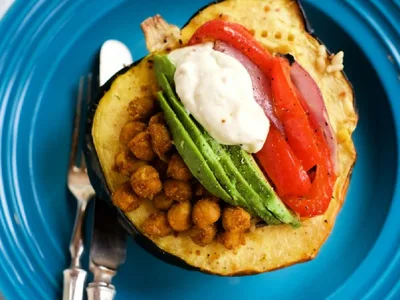
Mediterranean Acorn Squash Bowls with Spiced Chickpeas