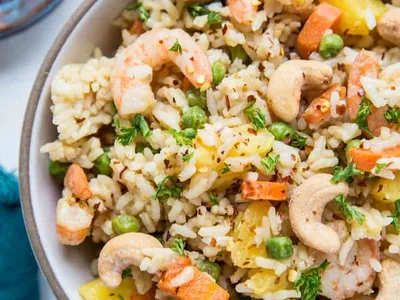
All About Peas
Peas are sweet green spheres that bring pops of color and bursts of natural sweetness to any plate. Fresh peas have a 2-3 day window at peak flavor, while frozen peas maintain quality for 8-10 months. They work as a side dish, stirred into risottos, blended into soups, or scattered through fried rice. Their natural sugars caramelize at 400°F, turning them golden in 12-15 minutes.
How to Select
Fresh peas should feel firm through the pod. Bright green pods snap when bent. Avoid yellowing or dried pods. For frozen peas, choose bags that move freely when shaken. Ice crystals or clumps indicate thawing and refreezing. A 1-pound bag yields about 3 cups.
How to Store
Fresh peas in pods last 2-3 days in the crisper drawer. Shell them just before cooking. Store shelled peas in an airtight container for 24 hours maximum. Frozen peas keep 8-10 months at 0°F. After opening, transfer to a freezer bag and squeeze out air. Thawed peas spoil within 48 hours. Never refreeze thawed peas.
How to Prep
Shell fresh peas by snapping the stem end and pulling the string down the seam. One pound of pods yields 1 cup shelled peas. Blanch fresh peas 60-90 seconds in boiling water, then shock in ice water. Frozen peas need no prep. Add them frozen to hot dishes in the last 2-3 minutes of cooking. For purees, simmer 4-5 minutes until tender.
Flavor Pairings
Peas love dairy fats. Butter brings out their sweetness. Creme fraiche adds tang to pea soups. Mint brightens their grassy notes. Bacon fat turns them savory. In Indian cooking, they balance spiced potatoes. Italian dishes pair them with pancetta and parmesan. Garlic and onion create an aromatic base that lets pea flavor shine.
Cooking Tips
Add frozen peas in the last 2-3 minutes of cooking to preserve their bright green color and slight crunch.
Roast peas at 425°F for 12-15 minutes with olive oil and salt for crispy, caramelized edges.
For pea puree, use a 2:1 ratio of peas to liquid and blend while hot for the smoothest texture.
Fresh peas cook faster than frozen. Blanch fresh peas 60-90 seconds versus 2-3 minutes for frozen.
Varieties
FAQ
Why are my peas turning brown when I cook them?
Overcooking causes peas to lose their chlorophyll and turn army green. Fresh peas need only 2-3 minutes in boiling water. Frozen peas need even less time, just 60-90 seconds. The pH of your water matters too. Add a pinch of baking soda to maintain bright green color. Acidic ingredients like lemon juice or vinegar will dull the color if added during cooking.
Can I substitute canned peas for fresh or frozen?
Canned peas work differently than fresh or frozen. They're already fully cooked and contain about 380mg sodium per half cup. Their texture is softer and color duller. Use them only in pureed soups or heavily spiced dishes where texture matters less. Drain and rinse to remove 40% of the sodium. Add canned peas at the very end of cooking, just to warm through.
How do I know when fresh peas are past their prime?
Fresh peas convert their sugars to starch within 24 hours of picking. Old peas taste mealy and lose sweetness. Check by eating one raw. It should taste sweet and tender, not starchy. Pods turn yellow and develop brown spots after 3-4 days. The peas inside shrivel and develop a wrinkled skin. Once shelled, peas develop a white film within 48 hours.
What's the difference between blanching and shocking peas?
Blanching means boiling peas for 60-90 seconds to partially cook them. Shocking means plunging hot peas immediately into ice water to stop the cooking. This two-step process sets the bright green color and keeps peas crisp-tender. Use a 1:1 ratio of ice to water for proper shocking. Leave peas in ice bath for the same time they were blanched. Drain thoroughly before using or storing.
Recipes with Peas
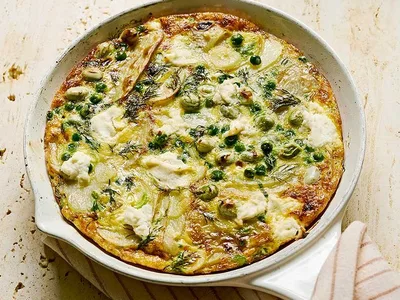
Broad Bean, Pea and Ricotta Frittata
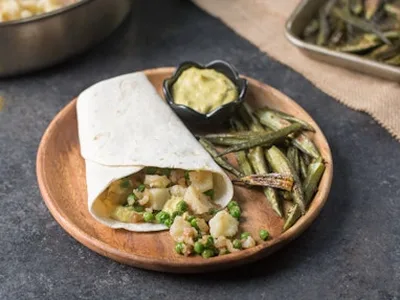
Leftover Samosa Wrap with Roasted Okra and Curried Mayo
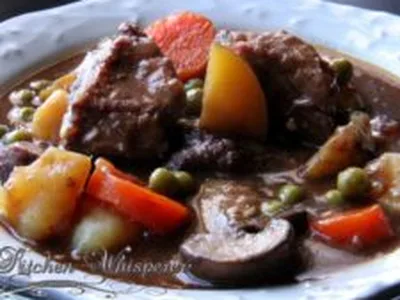
Slow Cooker Beef Burgundy with Red Wine and Mushrooms
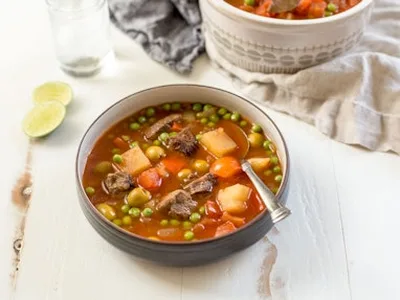
Slow Cooker Filipino Beef Kaldereta with Tender Chuck Roast
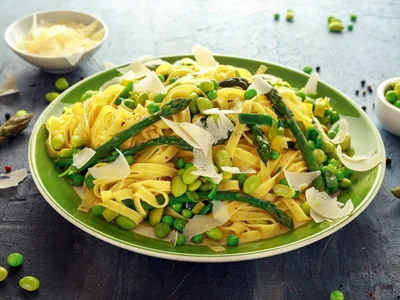
Fresh Tagliatelle with Spring Vegetables