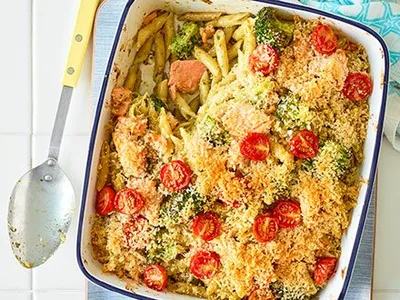
All About Pesto
Pesto is a thick sauce made from basil, garlic, pine nuts, olive oil, and parmesan cheese. It originated in Liguria, Italy, where cooks pound these ingredients with a mortar and pestle. The sauce adds herbaceous flavor and creamy texture to pasta, sandwiches, and roasted vegetables. Store-bought versions work fine for weeknight cooking, though homemade pesto tastes brighter and keeps its green color better.
How to Select
Look for pesto with basil listed first on the ingredient label. The best jarred pestos contain at least 30% basil by weight. Avoid brands that list oil as the first ingredient or use canola instead of olive oil. Fresh pesto from the refrigerated section lasts 5-7 days once opened. Shelf-stable jars keep for 12 months unopened.
How to Store
Keep unopened jarred pesto in the pantry for up to 1 year. Once opened, refrigerate and use within 7 days. Pour a thin layer of olive oil on top to prevent browning. Fresh homemade pesto lasts 5 days refrigerated or 6 months frozen. Freeze in ice cube trays, then transfer cubes to freezer bags. Each cube equals about 2 tablespoons.
How to Prep
Stir pesto before using since oil separates during storage. For pasta, thin with 2-3 tablespoons of hot pasta water per 1/2 cup pesto. This helps it coat noodles evenly. Mix pesto with equal parts mayonnaise for sandwich spreads. Dilute with olive oil at a 1:1 ratio when using as a marinade. Room temperature pesto incorporates better than cold.
Flavor Pairings
Pesto pairs naturally with cherry tomatoes, which add sweetness and acidity to balance the rich sauce. Garlic intensifies the savory notes. Parmesan cheese amplifies the nutty, salty flavors already present. Zucchini and green beans provide mild vegetable bases that let pesto shine. Butter smooths out the texture when mixed into hot dishes.
Cooking Tips
Heat dulls pesto's flavor, so add it after cooking or use temperatures below 140°F.
Mix 1/4 cup pesto with 1 pound pasta plus 1/2 cup reserved pasta water for proper coating.
Brush pesto on proteins during the last 2 minutes of grilling to prevent burning.
Combine 2 tablespoons pesto with 1/2 cup cream cheese for a 5-minute appetizer spread.
Varieties
Need a substitute? See our Best Substitutes for Pesto guide with tested ratios.
FAQ
Why does my pesto turn brown?
Basil oxidizes when exposed to air, turning brown within 2 hours. Add 1 tablespoon lemon juice per cup of pesto to slow browning. Blanching basil leaves in boiling water for 5 seconds, then shocking in ice water, prevents oxidation for up to 3 days. Store with plastic wrap pressed directly on the surface.
Can I substitute walnuts for pine nuts?
Yes, walnuts cost about 1/4 the price of pine nuts and work well. Toast them at 350°F for 8 minutes first to remove bitterness. Use the same 1/4 cup nuts per 2 cups basil ratio. Almonds and pecans also substitute nicely. Cashews create the creamiest texture but lack the traditional nutty flavor.
How much pesto should I use per serving?
Plan on 2-3 tablespoons pesto per person for pasta dishes. A standard 6-ounce jar serves 4-6 people. For pizza, spread 1/4 cup across a 12-inch crust. Sandwiches need about 1 tablespoon per slice of bread. These amounts deliver flavor without overwhelming other ingredients.
Is pesto healthy?
Traditional pesto contains about 80 calories per tablespoon, with 8 grams of fat from olive oil and nuts. The basil provides vitamin K, covering 25% of daily needs in 2 tablespoons. Pine nuts add iron and magnesium. To reduce calories, replace half the oil with vegetable broth or use part-skim ricotta instead of some olive oil.
Recipes with Pesto
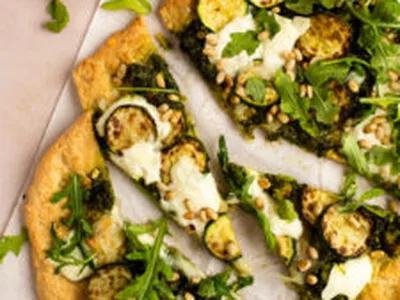
30-Minute Bendable Cauliflower Almond Flour Flatbread
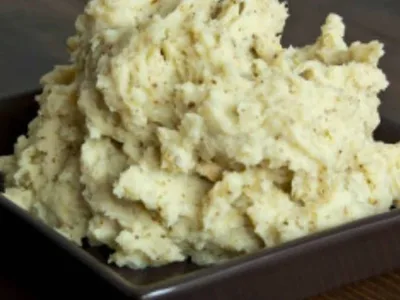
Creamy Pesto Mashed Potatoes with Garlic
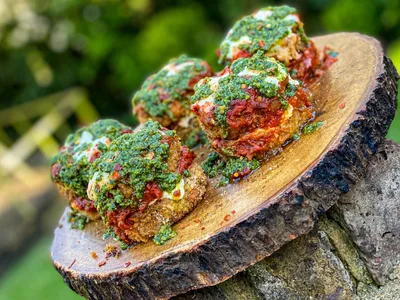
Crispy Eggplant Stacks With Burrata and Pistachio Pesto
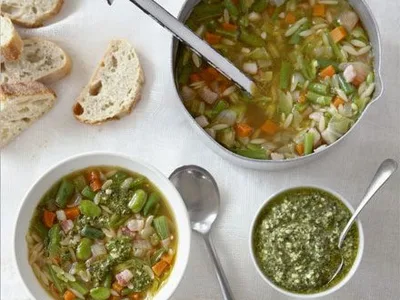
Green Bean Minestrone with Pesto and Pancetta
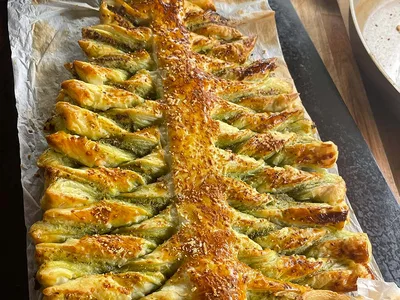
Pesto Puff Pastry Christmas Tree with Parmesan