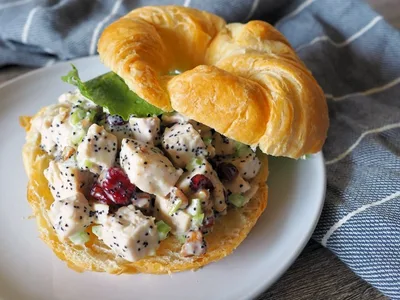
All About Poppy Seeds
Poppy seeds are tiny blue-black seeds from the opium poppy plant that add a subtle nutty flavor and pleasant crunch to baked goods and savory dishes. These 1mm seeds contain about 45% oil by weight, which gives them their characteristic taste and helps bind batters. They're essential in lemon poppy seed muffins, European pastries, and Indian spice blends.
How to Select
Look for seeds with a uniform blue-black color and slight sheen from their natural oils. Fresh poppy seeds smell faintly nutty when you open the container. Avoid gray or dusty-looking seeds. Buy from stores with good turnover since poppy seeds turn rancid within 6 months.
How to Store
Keep poppy seeds in an airtight glass jar in a cool, dark pantry for up to 6 months. Refrigerate for 12 months or freeze for 2 years. The high oil content (45%) makes them go rancid quickly at room temperature. Check for bitter taste or musty smell before using. Transfer from plastic bags to glass immediately after purchase.
How to Prep
Most recipes use whole seeds directly, about 1-2 tablespoons per loaf or dozen muffins. For Indian cooking, dry roast seeds in a pan for 2 minutes until they smell nutty. Grind roasted seeds with 2 tablespoons water in a spice grinder to make a paste for curries. Some European pastries require soaking seeds in hot milk for 30 minutes before grinding.
Flavor Pairings
Lemon zest brings out the nutty sweetness in poppy seeds, making this the most popular combination in American baking. Honey and vanilla extract complement their earthy flavor. In Indian cooking, they balance heat from chilies and pair with coconut. Butter and eggs help distribute the seeds evenly through batters.
Cooking Tips
Add 2 tablespoons poppy seeds per cup of flour in muffin batters for even distribution without sinking.
Toast seeds at 300°F for 5 minutes to intensify flavor before adding to bread doughs.
Mix poppy seeds with 1 tablespoon honey per 1/4 cup seeds to prevent them from drying out toppings.
Grind with sugar in a 1:3 ratio for 30 seconds to release oils when making fillings.
Varieties
FAQ
Will poppy seeds make me fail a drug test?
Eating normal amounts in food is generally safe, but consuming more than 1-2 poppy seed bagels could trigger a positive result for up to 48 hours. The seeds contain trace amounts of opiates. Most workplace tests now use a higher threshold of 2000 ng/mL to avoid false positives from food. Skip poppy seeds 3 days before any drug screening to be safe.
Why do my poppy seeds taste bitter?
Bitter taste means the oils have gone rancid. Fresh poppy seeds contain 45% oil that oxidizes quickly. Seeds older than 6 months at room temperature usually taste bitter. Store in the refrigerator and use within 12 months. Always taste a few seeds before adding to recipes.
Can I substitute chia seeds for poppy seeds?
Not directly. Chia seeds absorb 10 times their weight in liquid and create a gel, while poppy seeds stay crunchy. For texture in muffins, use 1 tablespoon chia to replace 2 tablespoons poppy seeds. For visual appeal on bagels, sesame seeds work better. The flavor differs completely, so expect different results.
How do I keep poppy seeds from sinking in cakes?
Toss seeds with 1 tablespoon flour per 2 tablespoons seeds before folding into batter. This coating helps them suspend evenly. Use room temperature ingredients and fold gently to maintain air bubbles. Thicker batters with 2 cups flour per cup liquid hold seeds better than thin batters.
Recipes with Poppy Seeds
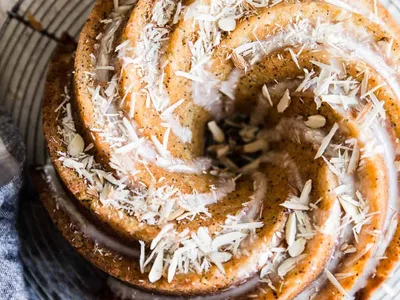
Almond Poppy Seed Bundt Cake with Sweet Glaze
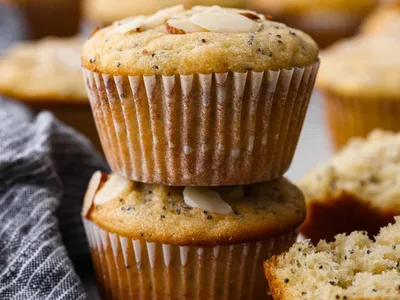
Almond Poppy Seed Muffins with Sour Cream
Buttermilk Lemon Poppy Seed Cake
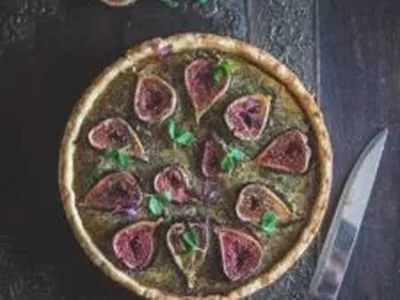
Fig and Poppy Seed Cream Cheese Tart
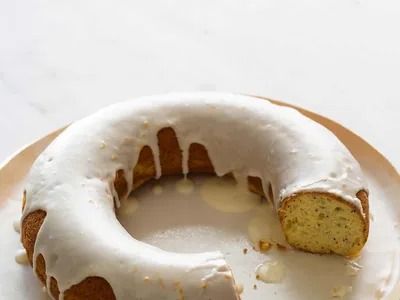
Meyer Lemon Poppy Seed Pound Cake with Tangerine Glaze