All About Sal
Salt is the single most important seasoning in your kitchen. It amplifies flavors, tenderizes proteins, and helps baked goods rise properly. Beyond basic seasoning, salt draws out moisture from vegetables, preserves foods, and creates crispy crusts on everything from steaks to focaccia bread.
How to Select
Buy fine sea salt for everyday cooking and coarse kosher salt for seasoning meats. Fine salt dissolves faster in liquids. Kosher salt's larger crystals make it easier to pinch and control. Avoid iodized table salt for cooking since it tastes metallic.
How to Store
Keep salt in an airtight container away from moisture. Glass or ceramic containers work better than metal, which can corrode. Salt stays good indefinitely but can clump in humid conditions. Add 5-10 grains of rice to your salt shaker to absorb moisture. Store specialty salts like fleur de sel in their original containers.
How to Prep
Most salt needs no prep. For kosher salt, crush between fingers when adding to liquids for faster dissolving. To make finishing salt, toast coarse sea salt in a dry pan for 2-3 minutes until it pops. For salt crusts, mix 3 cups kosher salt with 1 cup flour and enough egg whites to form a paste.
Flavor Pairings
Salt enhances sweet flavors in desserts, especially chocolate and caramel. It balances acidity in tomato sauces and brightens herbs like basil and rosemary. Salt draws out the natural sweetness in roasted vegetables. In baking, it strengthens gluten development and controls yeast growth.
Cooking Tips
Season pasta water until it tastes like mild seawater, about 1 tablespoon per 4 cups water.
Salt meat 40-60 minutes before cooking to allow penetration, or immediately before to prevent moisture loss.
Add 1/4 teaspoon salt per pound of flour in bread dough to control fermentation speed.
Sprinkle vegetables with salt 15 minutes before roasting to draw out moisture for better caramelization.
Varieties
FAQ
How much salt should I use per pound of meat?
Use 3/4 teaspoon kosher salt or 1/2 teaspoon fine salt per pound for most meats. For dry brining, increase to 1 teaspoon kosher salt per pound and refrigerate 1-24 hours. Poultry skin needs extra salt, about 1.25 teaspoons per pound, to get crispy. Ground meat needs only 1/2 teaspoon per pound since salt can make it tough if mixed in too early.
Why does my food taste bland even after salting?
You're probably salting too late. Add salt during cooking, not just at the end. Salt needs time to penetrate food. Season in layers: salt your aromatics, salt your liquid, taste and adjust. For soups and stews, you need about 1 teaspoon salt per quart of liquid as a starting point.
Can I substitute different types of salt?
Yes, but adjust amounts. One teaspoon of table salt equals 1.5 teaspoons of Morton kosher salt or 2 teaspoons of Diamond Crystal kosher salt. Fine sea salt substitutes 1:1 for table salt. Always measure by weight for accuracy: 5 grams of any salt type provides the same saltiness.
How do I fix oversalted food?
Add acid like lemon juice or vinegar to balance saltiness. For soups, add 2-3 peeled potato chunks and simmer 15 minutes to absorb excess salt. Dilute with unsalted liquid or ingredients. For oversalted meat, serve with unsalted starch or a creamy sauce. Fat and dairy also help mask saltiness.
Recipes with Sal

Bacon-Wrapped Spanish Potato Tortilla Cake

Crispy Cheese and Bread Crostini with Fresh Basil
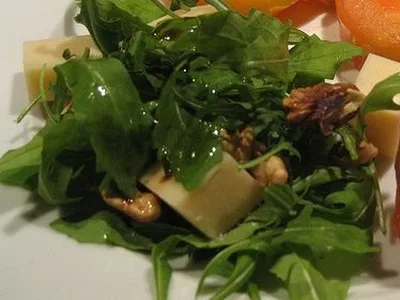
Bread and Smoked Bacon Salad with Crispy Croutons

Mayonnaise Pasta Salad with Cherry Tomatoes

Chicken and Mushroom Rice with Saffron