All About Salt To Taste
Salt enhances flavors in every dish you make. Beyond basic seasoning, it draws moisture from vegetables, tenderizes meat, and balances sweetness in desserts. The phrase "salt to taste" means adding salt gradually until the dish tastes right to you. Start with 1/4 teaspoon per serving, taste, then add more in small pinches.
How to Select
Buy salt based on grain size and use. Table salt dissolves fastest. Kosher salt has larger crystals perfect for grabbing with fingers. Sea salt flakes add crunch as a finishing touch. Check that table salt contains iodine if that's your main source.
How to Store
Keep salt in an airtight container away from moisture. Glass jars or ceramic containers work best. Salt lasts indefinitely when dry. Add 5-10 grains of rice to table salt shakers to absorb humidity. Store finishing salts separately to preserve their texture. Never store salt in metal containers as it can corrode them over time.
How to Prep
Most recipes need salt at two stages. First, season raw ingredients with 1/2 teaspoon kosher salt per pound of meat or vegetables. Second, adjust seasoning after cooking with small pinches. For pasta water, use 1 tablespoon per quart. When salting eggplant or cucumbers to remove moisture, use 1 teaspoon per pound and let sit 30 minutes.
Flavor Pairings
Salt amplifies garlic and onion flavors in savory dishes. It cuts through richness when paired with butter or olive oil. In Indian cooking, salt activates spices like cumin and turmeric. A pinch of salt in desserts makes chocolate taste deeper and caramel less cloying.
Cooking Tips
Season meat 45-60 minutes before cooking for better penetration and juicier results.
Add 1/2 teaspoon salt per cup when cooking grains to season them from within.
Taste and adjust salt levels when food is at serving temperature, not straight from the stove.
Use 3/4 the amount of table salt when substituting for kosher salt in recipes.
Varieties
FAQ
How much salt should I use when a recipe says 'to taste'?
Start with 1/4 teaspoon per serving for most dishes. Taste after mixing well. Add more in 1/8 teaspoon increments until flavors pop. Soups and stews typically need 1-2 teaspoons total. Remember you can add more but can't remove it once added.
Why do some recipes specify kosher salt?
Kosher salt has larger, irregular crystals that are easier to pinch and control. One teaspoon of kosher salt contains about 25% less salt than table salt due to air gaps between crystals. Its pure flavor without iodine or anti-caking agents makes it ideal for cooking. Diamond Crystal brand weighs half as much as Morton's per teaspoon.
Can I fix oversalted food?
Add bulk with unsalted ingredients like extra vegetables, pasta, or rice. For soups, add 2-3 cups of water or unsalted broth. Dairy helps too. Stir in 1/2 cup sour cream or yogurt for creamy dishes. For tomato sauces, add 1 tablespoon sugar to balance saltiness. Potatoes absorb some salt but won't save extremely oversalted dishes.
Should I use salted or unsalted butter in recipes?
Use unsalted butter for better control over salt levels. Salted butter contains about 1/4 teaspoon salt per stick (8 tablespoons). If using salted butter, reduce added salt by half initially, then adjust at the end. Baking recipes are formulated for unsalted butter, so stick with that for consistent results.
Recipes with Salt To Taste

Creamy Baked Chicken Cordon Bleu with Parmesan Crust
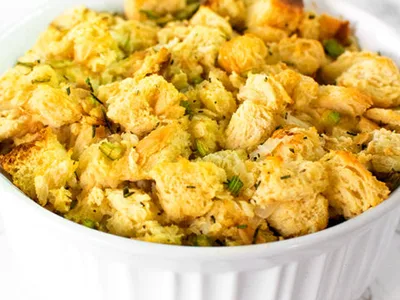
Egg-Free Herb Bread Stuffing with Fresh Sage
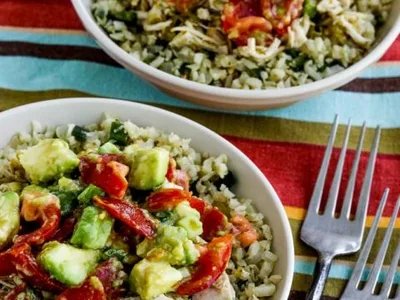
Instant Pot Green Chile Chicken Burrito Bowl

Indian Spicy Lamb Burgers with Pickled Onions

Pineapple Hotdog Crescent Wraps with Spicy Avocado Dip