All About Salz
Salt is the foundation of cooking. It pulls moisture from vegetables, tenderizes meat, and makes sweet flavors pop. Table salt dissolves fast for baking. Kosher salt's larger crystals make it easier to pinch and control. Sea salt adds mineral notes to finishing dishes. Without salt, food tastes flat.
How to Select
Buy iodized table salt for baking where measurements matter. Choose Diamond Crystal kosher salt for cooking, with crystals half as dense as Morton's. Look for flaky sea salts like Maldon for finishing. Avoid salt that clumps or yellows.
How to Store
Keep salt in airtight containers away from steam. Table salt lasts indefinitely. Add rice grains to shakers to prevent clumping in humidity above 75%. Store finishing salts in their original boxes to preserve crystal structure. Transfer bulk salt to glass jars with tight lids.
How to Prep
Measure table salt by volume for baking accuracy. Use a three-finger pinch of kosher salt, about 1/4 teaspoon. Crush flaky sea salt between fingers for even distribution. Mix salt with herbs or citrus zest 24 hours ahead to infuse flavors. Dissolve 1 tablespoon salt per cup of water for brines.
Flavor Pairings
Salt amplifies sweetness in tomatoes and corn. It balances bitterness in eggplant and radicchio. Pepper and salt form the base seasoning for 478 recipes in our database. Salt draws out garlic's sharpness when mashed together. It helps caramelize onions faster.
Cooking Tips
Salt pasta water to 1% concentration, about 1 tablespoon per quart, for properly seasoned noodles.
Add 1/2 teaspoon salt per pound to ground meat before forming patties or meatballs.
Season vegetables with 3/4 teaspoon kosher salt per pound before roasting at 425°F.
Dissolve 1/4 cup salt in 4 cups water for a 6% brine that tenderizes chicken in 2 hours.
Varieties
FAQ
How much salt should I use when cooking?
Start with 1 teaspoon kosher salt per pound of meat or vegetables. Taste and adjust. Baked goods need exact measurements, typically 1/2 to 1 teaspoon per cup of flour. Pasta water needs 1 tablespoon per quart. Under-salting is the most common cooking mistake.
What's the difference between kosher and table salt?
Kosher salt has larger, irregular crystals that stick to food better. One teaspoon of table salt equals 1.5 teaspoons of Diamond Crystal kosher salt or 1.25 teaspoons of Morton kosher salt. Table salt packs tighter due to anti-caking agents. Use weight measurements (5 grams) when precision matters.
Can I reduce salt in recipes?
Cut salt by 25% maximum without affecting texture in baking. Salt controls gluten development and yeast activity. In savory cooking, replace up to half with umami boosters like soy sauce (600mg sodium per teaspoon) or miso paste. Acids like lemon juice trick taste buds into perceiving more salt.
Why does my food still taste bland after salting?
You're probably salting too late. Season raw ingredients 20 minutes before cooking so salt penetrates. Layer salt throughout cooking, not just at the end. Check your salt's age. Old iodized salt loses potency. Switch to kosher salt for better control and pure salt flavor.
Recipes with Salz
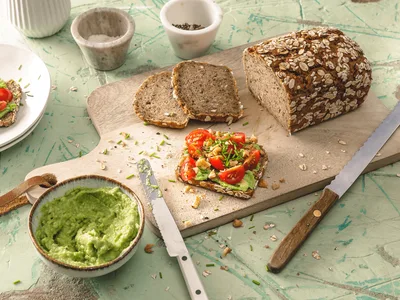
Avocado Toast with Walnuts and Chives
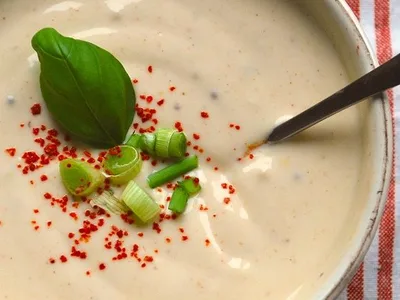
Vegan Cocktail Sauce with Harissa
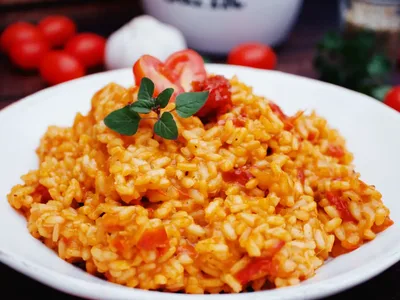
Creamy Tomato Risotto with Sun-Dried Tomatoes
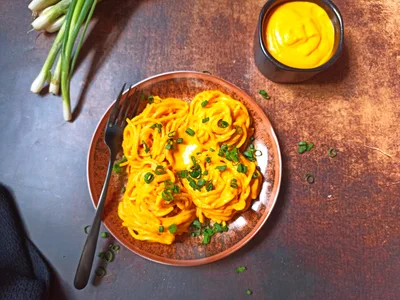
Creamy Vegan Pumpkin Pasta with Roasted Vegetables
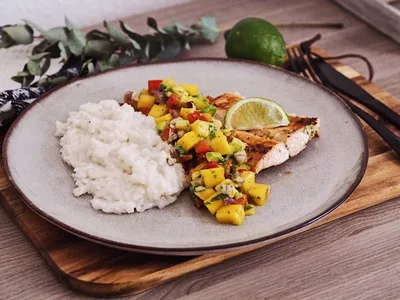
Grilled Salmon with Avocado-Mango Salsa and Coconut Rice