All About Sea Salt
Sea salt comes from evaporated seawater and contains trace minerals that give it a briny, clean taste. The crystal size affects how it dissolves and distributes flavor. Coarse flakes add crunch to finished dishes while fine grains blend into batters and doughs. Most recipes call for 0.5 to 1 teaspoon, but always taste as you go.
How to Select
Look for dry crystals that flow freely without clumping. Coarse salt should have irregular pyramids or flakes about 2-4mm wide. Fine sea salt resembles table salt but feels slightly moist. Avoid packages with condensation inside. Check that the label says 'sea salt' not 'salt from the sea' which indicates processing.
How to Store
Keep sea salt in an airtight container away from moisture. A sealed jar stores indefinitely at room temperature. Add 5-10 grains of rice to absorb humidity in damp climates. Coarse salt stays crunchy for years while fine salt may cake after 2-3 years. Never refrigerate salt. It absorbs odors and moisture.
How to Prep
Coarse salt needs crushing for even distribution. Place crystals in a zip bag and roll with a pin to break into 1mm pieces. Dissolve fine salt in liquids before adding to dough for even mixing. Toast coarse flakes in a dry pan for 30-60 seconds until they smell mineral-like for finishing grilled meats. Grind large crystals in a spice grinder for 5-10 pulses.
Flavor Pairings
Sea salt amplifies sweetness in chocolate chip cookies and caramel. It cuts through fatty foods like olive oil and butter. The minerals complement acidic ingredients like lemon juice and tomatoes in penne pomodoro. Garlic and black pepper become more aromatic with proper salting. Eggs taste creamier when salted during cooking, not after.
Cooking Tips
Add 1 tablespoon coarse salt per quart of pasta water for proper seasoning.
Salt meat 40-60 minutes before cooking to let it penetrate 1/4 inch deep.
Use 3/4 teaspoon sea salt per pound of flour in bread dough for balanced flavor.
Finish dishes with flaky salt applied from 8-10 inches high for even coverage.
Varieties
Need a substitute? See our Best Substitutes for Sea Salt guide with tested ratios.
FAQ
How much sea salt equals table salt?
Use 1.25 times more coarse sea salt than table salt by volume. A teaspoon of table salt weighs 6 grams while coarse sea salt weighs 5 grams. Fine sea salt measures almost identically to table salt. The larger crystals of coarse salt contain air pockets that reduce density by about 20 percent.
Why does my sea salt clump together?
Sea salt absorbs moisture from air above 75 percent humidity. The minerals attract water molecules that dissolve crystal edges, creating bridges between grains. Store salt with 2 tablespoons of rice per cup to absorb moisture. Bake clumped salt on a sheet pan at 200°F for 10 minutes to dry it out.
Can I use sea salt for baking?
Fine sea salt works perfectly in baking at a 1:1 ratio with table salt. Coarse salt needs grinding first or it won't distribute evenly. Most cookie recipes use 0.5 teaspoon per cup of flour. The trace minerals in sea salt can slightly slow yeast activity, so bread may need 5-10 minutes extra rising time.
Should I use iodized or non-iodized sea salt?
Most sea salt lacks iodine unless specifically added. Adults need 150 micrograms of iodine daily. One teaspoon of iodized salt provides 71 micrograms. If you eat seafood twice weekly or take multivitamins, non-iodized works fine. Pure sea salt tastes cleaner for finishing dishes since iodine adds a slight metallic note above 400°F.
Recipes with Sea Salt
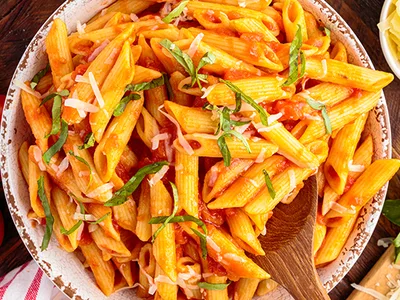
Easy Penne Pomodoro with Fresh Basil and Parmesan
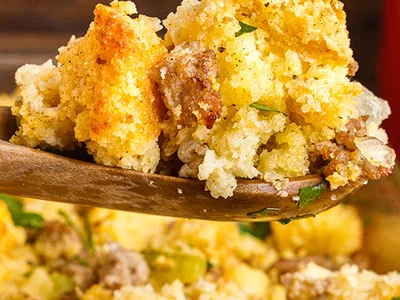
Easy Sausage Cornbread Stuffing with Italian Sausage
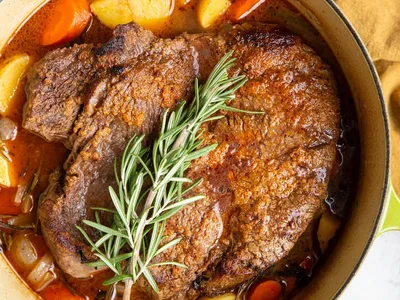
Oven-Baked Beef Chuck Roast with Root Vegetables

Protein-Packed Peanut Butter Oat Cookies

Thai Pineapple Fried Rice with Shrimp and Curry Paste