All About Sea Salt Flakes
Sea salt flakes are thin, pyramid-shaped crystals that dissolve quickly on your tongue. They add a clean salt taste and satisfying crunch when sprinkled on finished dishes. Unlike fine table salt that disappears into food, these flakes sit on top, delivering bursts of saltiness. Their light texture makes them perfect for finishing everything from chocolate brownies to grilled steaks.
How to Select
Look for flakes that are dry and separate easily when you shake the container. Good quality flakes measure 2-4mm across and feel light between your fingers. Check that the crystals are white or pale pink, not gray or yellow. Avoid packages where flakes have clumped together into solid chunks.
How to Store
Keep flakes in their original container or transfer to an airtight jar. Store at room temperature away from steam and heat. In humid kitchens, add 5-10 grains of rice to absorb moisture. Properly stored flakes last 3-5 years. If they start sticking together after 6 months, spread on a baking sheet and dry in a 200°F oven for 10 minutes.
How to Prep
For finishing, pinch flakes between thumb and two fingers, holding your hand 8-10 inches above the food. For baking, crush flakes with the back of a spoon to measure like regular salt. One teaspoon of flakes equals about 3/4 teaspoon crushed. Some cooks grind flakes in a mortar and pestle for recipes needing fine salt.
Flavor Pairings
Sea salt flakes shine with sweet ingredients like caramel, chocolate, and honey. The contrast makes desserts taste less cloying. They complement rich fats including butter, olive oil, and avocado. Fresh herbs taste brighter with a pinch of flakes. Roasted vegetables, especially tomatoes and root vegetables, benefit from a final sprinkle.
Cooking Tips
Sprinkle flakes on cookies 2 minutes before they finish baking at 350°F for maximum visual impact.
Add flakes to steaks only after resting 5 minutes, or they dissolve into meat juices.
Mix 1 tablespoon flakes with 1/4 cup olive oil for bread dipping that delivers salt in every bite.
Wait until chocolate ganache cools to 80°F before adding flakes or they sink and disappear.
Varieties
FAQ
Can I use sea salt flakes instead of regular salt in recipes?
Yes, but crush them first. Use 25% less than the recipe calls for since flakes taste saltier than fine salt. For 1 teaspoon fine salt, use 3/4 teaspoon crushed flakes. The larger crystals dissolve differently in doughs and batters, so results may vary slightly in baked goods.
Why are sea salt flakes more expensive than regular salt?
The evaporation process takes 5-15 days compared to hours for regular salt. Producers harvest just the top 2mm layer of evaporation ponds. One ton of seawater yields only 35 pounds of flakes. Hand-harvesting and careful handling to preserve the pyramid shape adds labor costs.
Do different colored flakes taste different?
Pink Murray River flakes taste nearly identical to white Maldon. Gray fleur de sel has a slight mineral edge. Black Cyprus flakes taste like regular salt since the charcoal adds no flavor. The main difference is visual. Use pink or black flakes when you want color contrast on pale foods.
How much should I use for finishing dishes?
Start with 1/8 teaspoon per serving for delicate items like fish or eggs. Use 1/4 teaspoon per serving on heartier foods like steak or roasted vegetables. For desserts, 6-8 flakes per cookie or brownie square adds enough contrast without overwhelming sweetness.
Recipes with Sea Salt Flakes
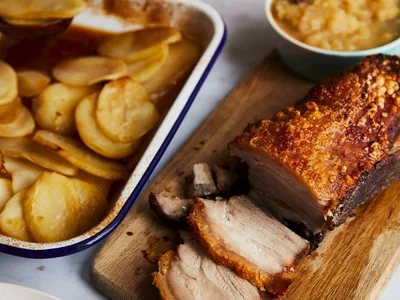
Crispy Pork Belly with Drunken Potatoes and Nashi Pear Sauce
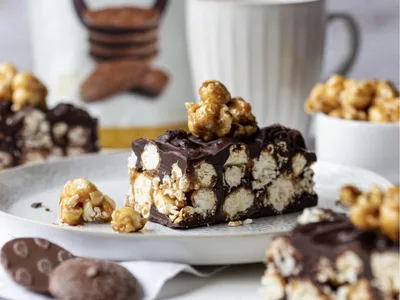
Crispy Butterscotch Chocolate Popcorn Bars

Oven-Roasted Chestnuts with Sea Salt
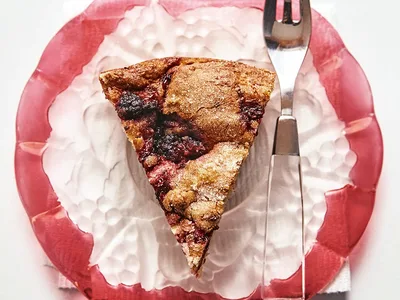
Ricotta Raspberry Cake with Citrus Zest
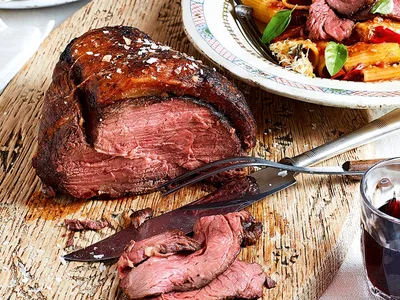
Roast Beef and Fresh Tomato Rigatoni