All About Sel
Salt is the foundation of seasoning in every kitchen. This crystalline mineral enhances flavors, preserves food, and creates chemical reactions essential to baking. Beyond basic seasoning, salt draws moisture from vegetables, strengthens gluten in bread dough, and helps proteins retain juice during cooking. A pinch can brighten sweet desserts while a generous coating creates crispy-skinned roasts.
How to Select
Choose salt based on grain size and intended use. Table salt dissolves fastest for baking. Kosher salt has larger crystals ideal for seasoning meat. Sea salt offers trace minerals and varied textures. Check packaging dates on specialty salts. Avoid salt with anti-caking agents for pickling or fermenting.
How to Store
Store salt in airtight containers away from moisture. Glass jars or ceramic crocks work best. Add 5-10 grains of rice to absorb humidity in table salt shakers. Kosher and coarse salts stay fresh indefinitely in original boxes. Keep finishing salts in small containers to preserve texture. Place containers in pantries below 75°F. Even exposed salt remains safe but may clump after 2-3 years.
How to Prep
Measure salt by weight for accuracy since crystal sizes vary. One teaspoon table salt equals 6 grams. One teaspoon Diamond Crystal kosher salt equals 3 grams. Crush coarse salt in a mortar for rubs. Dissolve 35 grams salt per liter of water for pasta cooking. Create finishing salt by grinding with dried herbs or citrus zest.
Flavor Pairings
Salt amplifies sweetness in caramel and chocolate at 0.5% concentration. Black pepper and salt form the classic French duo found in 485 recipes. Butter carries salt's flavor through sauces and pastries. Eggs need 1 gram salt per 3 eggs for proper seasoning. Onions release sweetness when salted 10 minutes before cooking. Olive oil dissolves salt slowly, so season vegetables after tossing.
Cooking Tips
Salt meat 40-60 minutes before cooking to allow penetration 1/4 inch deep.
Add 10 grams salt per liter to boiling water for pasta, vegetables, or grains.
Sprinkle salt from 12 inches height for even distribution on finished dishes.
Use 2% salt by weight for bread dough, measured against flour weight.
Varieties
FAQ
How much salt should I use per pound of meat?
Use 4-6 grams salt per pound for roasts and steaks. This equals about 1 teaspoon table salt or 2 teaspoons Diamond Crystal kosher salt. For ground meat, reduce to 3 grams per pound. Cured meats like bacon need 2.5% salt by weight. Season poultry skin generously but use only 3 grams per pound for the meat itself.
Why does my food still taste bland after salting?
Timing matters more than quantity. Salt added during cooking penetrates deeply. Salt added at serving sits on surfaces. Season in layers: salt onions in the pan, season sauce while simmering, then adjust before serving. Acidic foods need 20% more salt than neutral foods. Hot food tastes less salty than room temperature food.
Can I substitute different salt types in recipes?
Yes, but adjust quantities by weight not volume. One tablespoon table salt weighs 18 grams. One tablespoon Morton kosher salt weighs 15 grams. One tablespoon Diamond Crystal weighs 9 grams. For baking, stick to fine-grain salts that dissolve completely. Coarse salts work poorly in doughs and batters.
How do I fix over-salted food?
Add bulk without adding salt. Double the recipe minus salt for soups and stews. Add 1-2 peeled potatoes to absorb excess salt, then remove. Dairy dulls salt perception, so stir in cream or yogurt. Acids like lemon juice or vinegar balance saltiness. Sugar at 1-2 teaspoons per cup can offset mild oversalting.
Recipes with Sel
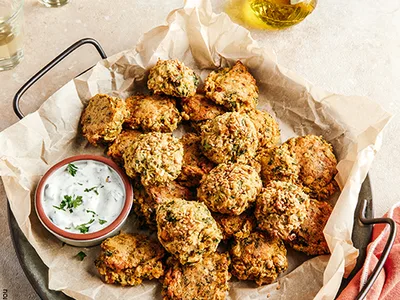
Baked Falafel with Greek Yogurt and Olive Sauce
Beef Hachis Parmentier with Compact Cook Elite
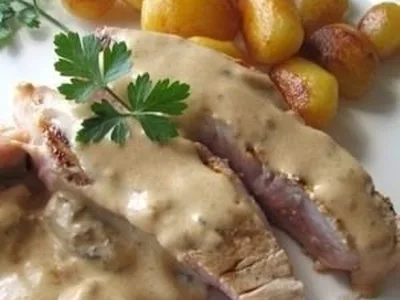
Veal Chops with Morel Mushroom Cream Sauce

Gluten-Free Banana Caramel Cheesecake
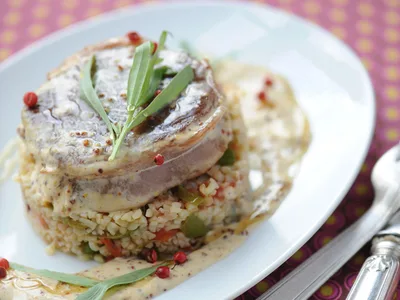
Pan-Seared Tournedos with Dijon Mustard Cream Sauce