All About Sesame Oil
Sesame oil comes from pressed sesame seeds and adds a deep, nutty flavor to dishes. Light sesame oil works for cooking at temperatures up to 410°F, while dark toasted sesame oil serves as a finishing oil. A teaspoon can transform a bland stir-fry into something aromatic and savory. Most Asian recipes call for the toasted version, which tastes like concentrated roasted sesame seeds.
How to Select
Dark sesame oil should smell intensely nutty, like fresh-roasted sesame seeds. Check the label for 100% pure sesame oil without fillers. Glass bottles preserve flavor better than plastic. Color ranges from amber to deep brown. Avoid oils that smell rancid or bitter.
How to Store
Keep opened bottles in the refrigerator for up to 6 months. Unopened bottles last 2 years in a cool pantry below 70°F. Sesame oil solidifies when cold but returns to liquid at room temperature in 10 minutes. Store away from light in the original dark bottle. Toasted sesame oil spoils faster than light versions due to its lower smoke point.
How to Prep
Measure toasted sesame oil carefully since 1 teaspoon packs intense flavor. Drizzle it over finished dishes or add during the last 30 seconds of cooking. For marinades, combine 1 tablespoon sesame oil with 3 tablespoons soy sauce as a base. Light sesame oil works for sautéing vegetables at medium-high heat. Never substitute toasted for light sesame oil in high-heat cooking.
Flavor Pairings
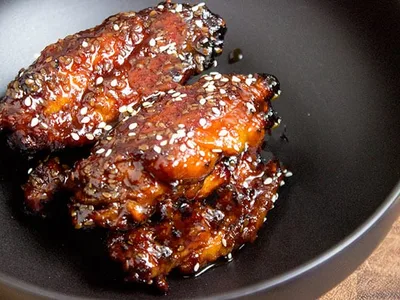
Sesame oil pairs naturally with soy sauce in a 1:3 ratio for marinades and dressings. Garlic and ginger amplify its nutty taste. Rice vinegar cuts through the oil's richness. Honey balances its slight bitterness. Green onions and sesame seeds echo the sesame flavor. These combinations appear in dishes like Kung Pao chicken, pad Thai, and glazed wings.
Cooking Tips
Add toasted sesame oil after removing the pan from heat to preserve its flavor compounds below 350°F.
Mix 1 teaspoon sesame oil with 2 tablespoons peanut oil for stir-frying at temperatures up to 450°F.
Brush proteins with sesame oil 5 minutes before grilling to create a glossy, caramelized exterior.
Combine equal parts sesame oil, soy sauce, and rice vinegar for a 15-second vegetable dressing.
Varieties
Need a substitute? See our Best Substitutes for Sesame Oil guide with tested ratios.
FAQ
Can I substitute olive oil for sesame oil?
No direct substitute matches sesame oil's distinct nutty taste. For cooking, use peanut or vegetable oil. For flavor, try tahini thinned with neutral oil at a 1:2 ratio. Some recipes work with walnut oil, though it costs 3 times more. Missing sesame oil changes the dish's character completely in Asian recipes.
Why does my sesame oil smell bad?
Rancid sesame oil smells sharp, bitter, or like old paint instead of nutty. This happens after 6 months at room temperature or when exposed to light. Fresh oil should smell like toasted sesame seeds. Oxidation occurs faster in toasted varieties. Always smell before using. Rancid oil ruins dishes and may cause digestive upset.
How much sesame oil should I use?
Start with 1 teaspoon for a dish serving 4 people. Most stir-fries need 1-2 teaspoons added at the end. Marinades typically use 1 tablespoon per pound of protein. Salad dressings work with a 1:4 ratio of sesame oil to other liquids. Too much creates an overwhelming, bitter taste that dominates other flavors.
What's the difference between sesame oil and sesame seed paste?
Sesame oil is pure extracted oil with 120 calories per tablespoon. Tahini contains ground whole seeds with protein, fiber, and 90 calories per tablespoon. Oil provides concentrated flavor and fat for cooking. Paste works in sauces, dips, and baking. They're not interchangeable. Tahini mixed with oil won't replicate pure sesame oil's cooking properties.
Recipes with Sesame Oil

Healthy Sweet and Sour Chicken with Pineapple

Marinated Smoked Salmon with Poppy Seeds

Panda Express Kung Pao Chicken with Peanuts and Vegetables
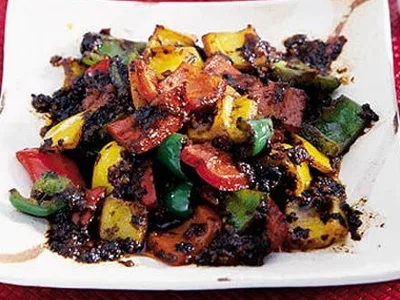
Stir-Fried Peppers with Black Beans

Stir-Fried Penne with Vegetables and Sesame