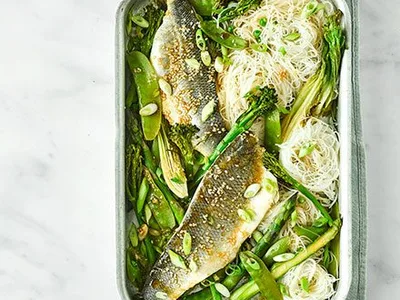
All About Sesame Seeds
Sesame seeds are tiny, oil-rich seeds that add nutty crunch and aromatic depth to both sweet and savory dishes. Raw seeds taste mild and slightly bitter. Toasted ones develop a deep, nutty flavor that intensifies at 350°F for 5-7 minutes. They work as both garnish and ingredient, bringing texture to Asian stir-fries, crunch to crackers, and richness to tahini-based sauces.
How to Select
Look for seeds with uniform color and no dark spots. White seeds should be creamy, not yellowed. Black seeds should be deep charcoal, not dusty gray. Seeds should feel dry and slide easily in the package. Avoid any with a rancid smell or clumping, which indicates moisture damage.
How to Store
Keep unopened packages in a cool pantry for up to 1 year. Once opened, transfer to an airtight container and refrigerate for 6 months or freeze for 1 year. Seeds go rancid faster at room temperature due to their 50% oil content. Store toasted seeds separately from raw ones. Glass jars work better than plastic for preventing odor absorption.
How to Prep
Toast raw seeds in a dry pan over medium heat for 3-5 minutes, stirring every 30 seconds until golden and fragrant. For even toasting, spread seeds in a single layer on a baking sheet at 350°F for 6-8 minutes. Cool completely before storing. Grind toasted seeds with 1/4 teaspoon salt per cup for homemade gomasio.
Flavor Pairings
Sesame seeds pair naturally with soy sauce, creating the classic Asian flavor base. They complement honey's sweetness in glazes, balance garlic's sharpness in stir-fries, and enhance sesame oil's intensity when used together. Rice vinegar brings out their nuttiness. Green onions provide freshness that cuts through their richness.
Cooking Tips
Toast seeds at 350°F for 5-7 minutes, stirring once halfway through for even browning.
Add 1 tablespoon toasted seeds per cup of flour to crackers or bread for nutty flavor.
Sprinkle raw seeds on dough before baking at 375°F for golden, crunchy topping.
Mix 3 parts toasted seeds with 1 part salt for instant seasoning blend.
Varieties
Need a substitute? See our Best Substitutes for Sesame Seeds guide with tested ratios.
FAQ
Why do recipes specify toasted versus raw sesame seeds?
Toasting transforms sesame seeds completely. Raw seeds taste bland and slightly bitter. Toasting at 350°F for 5-7 minutes develops complex nutty flavors through the Maillard reaction. The heat also makes them crunchier by removing moisture. Many recipes call for toasted seeds as garnish because they add more flavor and better texture than raw ones.
How can I tell if sesame seeds have gone bad?
Rancid sesame seeds smell like old paint or crayons due to oxidized oils. Fresh seeds have a mild, nutty aroma. Check by crushing a few seeds between your fingers. Bad seeds taste bitter and leave an unpleasant coating in your mouth. Seeds typically last 6 months opened in the fridge, but turn rancid in 2-3 months at room temperature.
What's the difference between tahini and sesame paste?
Tahini uses hulled, toasted sesame seeds ground with nothing added, creating a smooth, pourable paste. Chinese sesame paste uses toasted unhulled seeds, making it darker and grittier with stronger flavor. Tahini has about 90 calories per tablespoon. Chinese sesame paste packs more intensity, so recipes typically use 30-50% less.
Can I substitute black sesame seeds for white ones?
Black sesame seeds work as a 1:1 substitute for white in most recipes, but expect stronger, earthier flavor. They contain about 15% more calcium and keep their hulls, adding slight bitterness. In desserts, black seeds can turn batters gray. For garnishing, black seeds create dramatic visual contrast but may overpower delicate dishes.
Recipes with Sesame Seeds

Cheesy Oatcake Crackers with Parmesan and Sesame
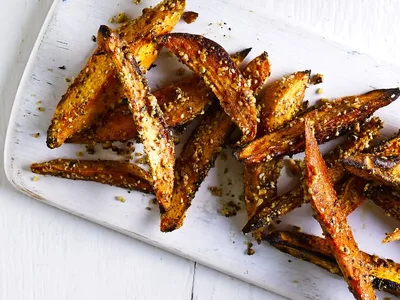
Dukkah-Crusted Butternut Squash Wedges
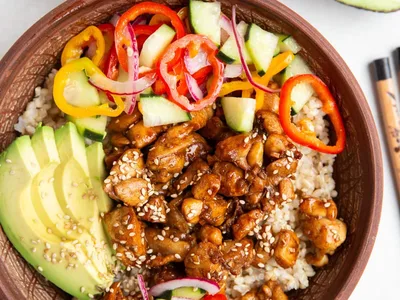
Garlic Sesame Chicken Bowls with Brown Rice
Miso Glazed Air Fryer Sweet Potatoes with Sesame Seeds

Sesame Chilli Pancakes with Cucumber Tzatziki