All About Skim Milk
Skim milk is regular milk with the cream removed, leaving you with a thinner liquid that contains about 0.1% fat. It adds moisture to batters, creates tender crumbs in baked goods, and provides a neutral base for smoothies. The lower fat content means it won't make sauces as creamy as whole milk, but it cuts calories by about 60 per cup while keeping the same protein content at 8 grams.
How to Select
Check the sell-by date and pick one at least 5 days out. The milk should look pure white, not yellowish or gray. Give the jug a gentle shake. You want smooth liquid with no chunks or separation. Avoid jugs with damaged seals or bulging sides.
How to Store
Keep skim milk at 38-40°F in your refrigerator, never in the door where temperatures fluctuate. Once opened, use within 5-7 days. Unopened milk stays good until the sell-by date plus 2-3 days. Store in the original container or transfer to an airtight glass jar. Freeze for up to 3 months in ice cube trays for smoothies, though texture changes after thawing.
How to Prep
For baking, warm skim milk to 70-80°F by microwaving for 20-30 seconds per cup. This helps activate yeast and creates better texture in pancakes. When making polenta or oatmeal, heat milk to 180°F before adding grains to prevent scorching. For coffee drinks, steam to 150-160°F. The lack of fat means skim milk foams easier than whole milk but the bubbles break down faster.
Flavor Pairings
Skim milk pairs best with ingredients that add their own richness. Eggs provide fat for custards and quiches. Olive oil compensates in savory dishes like creamy polenta. Vanilla extract and cinnamon mask any thinness in baked goods. For smoothies, pair with peanut butter or Greek yogurt to add body. In pasta dishes, combine with sharp cheeses that pack flavor without needing much quantity.
Cooking Tips
Heat skim milk slowly over medium-low heat, stirring every 30 seconds to prevent scorching on the bottom.
Add 1 tablespoon butter per cup of skim milk when making cream sauces to mimic whole milk's richness.
For fluffier pancakes, let batter with skim milk rest 5-10 minutes before cooking to hydrate the flour.
When substituting in baking, reduce oven temperature by 25°F since skim milk browns faster than whole milk.
FAQ
Can I substitute skim milk for whole milk in recipes?
Yes, but expect some changes. Baked goods may be slightly drier and brown faster. Reduce baking time by 2-3 minutes and check early. In savory dishes, add 1 tablespoon butter or oil per cup of skim milk to replace the missing fat. Ice creams and puddings won't be as creamy. For best results in baking, use recipes specifically developed for skim milk.
Why does my skim milk sometimes look watery or bluish?
The bluish tint is normal. Without fat globules to scatter light, skim milk appears more translucent. The proteins in milk can give it a slight blue cast, especially noticeable in bright lighting. This doesn't affect quality or taste. Watery appearance near the top happens from separation during storage. Just shake gently before using.
How much calcium and protein does skim milk have compared to whole milk?
Skim milk actually has slightly more calcium and protein per cup than whole milk. One cup contains 300mg calcium (30% daily value) and 8.3 grams protein, compared to 276mg calcium and 7.7 grams protein in whole milk. The removal of fat concentrates other nutrients. You get the same vitamin D fortification at 25% daily value per cup.
What's the best way to foam skim milk for coffee drinks?
Start with cold milk straight from the fridge at 38-40°F. Steam to 150°F maximum, as skim milk scorches above 160°F. Keep the steam wand just below the surface for 3-5 seconds to introduce air, then submerge deeper to heat. The foam forms quickly but breaks down within 60 seconds, so pour immediately. Clean your steam wand right after since milk proteins stick more without fat.
Recipes with Skim Milk
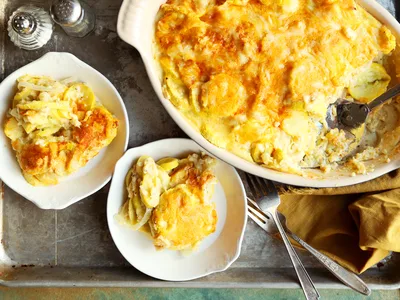
Charleston Yellow Squash Casserole with Nutmeg
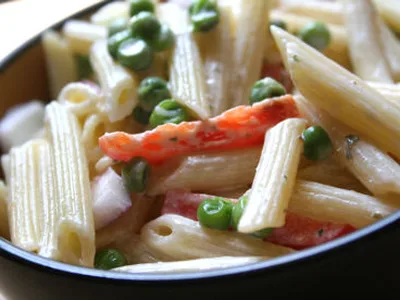
Creamy Penne Salad With Bell Peppers and Peas
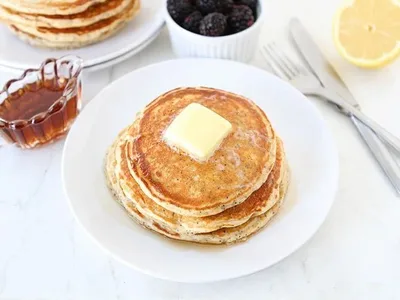
Lemon Poppy Seed Yogurt Pancakes with Greek Yogurt
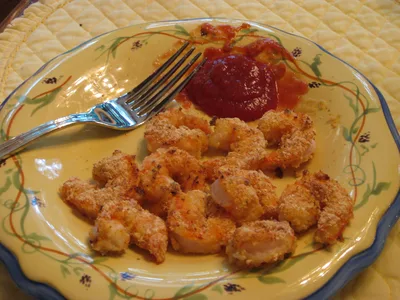
Oven-Baked Breaded Shrimp with Old Bay
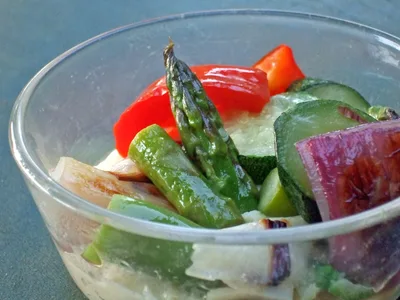
Roasted Vegetables Over Creamy Polenta