All About Soy Sauce
Soy sauce is a dark brown liquid made from fermented soybeans and wheat. It adds salt and umami to dishes, that savory fifth taste that makes food taste complete. Use it in marinades, stir-fries, soups, and dipping sauces. A bottle lasts 2-3 years unopened, making it one of the most shelf-stable condiments in your kitchen.
How to Select
Check the ingredients list. Traditional soy sauce contains just soybeans, wheat, salt, and water. Avoid bottles with caramel coloring or corn syrup. Japanese brands tend to be lighter and sweeter. Chinese versions pack more salt. Low-sodium options cut salt by 40% without losing much flavor.
How to Store
Keep unopened bottles in a cool pantry for up to 3 years. Once opened, soy sauce stays good at room temperature for 6 months or in the fridge for 2 years. The high salt content prevents spoilage. Store in its original bottle or transfer to an airtight container. White crystals forming on the rim are just salt deposits, not mold.
How to Prep
Pour soy sauce into a small bowl for dipping or measuring. Never pour directly from the bottle into hot food. Steam will enter the bottle and speed deterioration. Mix 2 tablespoons soy sauce with 1 tablespoon rice vinegar and 1 teaspoon sesame oil for a basic stir-fry sauce. Combine equal parts soy sauce and honey for glazing meats in the last 5 minutes of cooking.
Flavor Pairings
Soy sauce loves garlic, ginger, and sesame oil. Mix with honey or brown sugar to balance the salt. Rice vinegar adds brightness to soy-based marinades. Cornstarch mixed with soy sauce creates glossy stir-fry sauces. The combination appears in Korean glazed wings, Chinese beef and broccoli, and Japanese ramen broths.
Cooking Tips
Add soy sauce in the last 2-3 minutes of stir-frying to prevent burning at temperatures above 350°F.
Mix 1 part cornstarch with 4 parts soy sauce mixture for a stir-fry sauce that coats properly.
Marinate proteins in soy sauce for 30 minutes max. Longer makes meat too salty.
Reduce regular soy sauce by half over medium heat for 10 minutes to make a thicker glaze.
Varieties
Need a substitute? See our Best Substitutes for Soy Sauce guide with tested ratios.
FAQ
How much sodium is in soy sauce?
Regular soy sauce contains 920mg sodium per tablespoon, about 40% of your daily limit. Low-sodium versions have 550mg per tablespoon. Tamari falls between at 700mg. If you're watching salt intake, measure carefully. One tablespoon flavors 4 servings of stir-fry.
Can I substitute tamari for soy sauce?
Yes, use tamari as a 1:1 replacement for soy sauce. Tamari tastes slightly less salty and more balanced than Chinese soy sauce. It costs about 30% more but works perfectly for anyone avoiding gluten. The darker color won't affect your dish.
Why does my stir-fry taste burned when I add soy sauce?
Soy sauce burns at 350°F due to its sugar content. Add it in the last 2-3 minutes of cooking or remove the pan from heat first. For high-heat cooking above 400°F, toss ingredients with soy sauce after plating. Professional wok cooking reaches 1200°F, far too hot for direct soy sauce contact.
How long does opened soy sauce last?
Opened soy sauce keeps for 6 months at room temperature or 2 years refrigerated. The 20% salt content prevents bacterial growth. Quality slowly declines after these times. The sauce gets darker and loses its fresh taste but remains safe to consume. Mark the opening date on the bottle.
Recipes with Soy Sauce
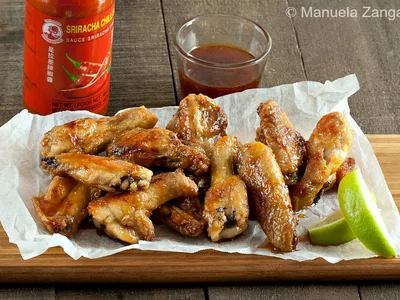
Crispy Maple Sriracha Baked Chicken Wings
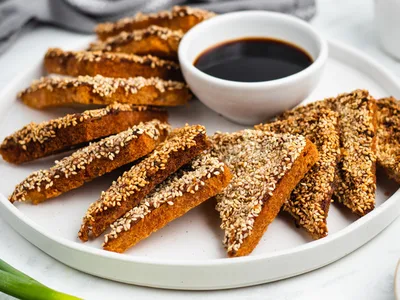
Crispy Shrimp Toast with Sesame Seeds

Roasted Vegetable Sweet and Sour Chicken
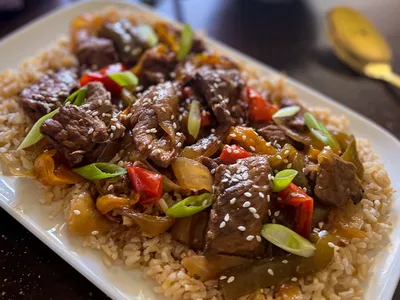
Slow Cooker Pepper Steak with Ginger and Honey
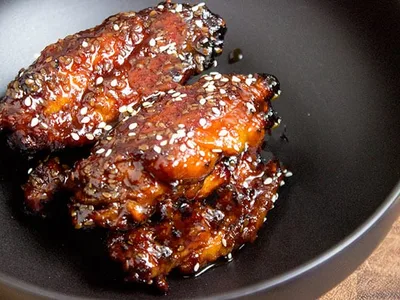
Sticky Asian Glazed Chicken Wings with Sesame Seeds