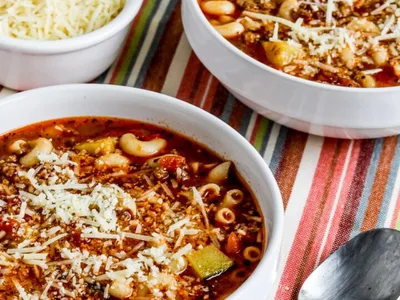
All About T Olive Oil
Olive oil forms the foundation of Mediterranean cooking and serves as both a cooking fat and finishing oil. Its fruity, sometimes peppery flavor ranges from mild to assertive depending on the variety. Beyond sautéing and roasting, it adds moisture to baked goods and creates silky dressings. A 500ml bottle typically costs $8-15 for everyday cooking oil.
How to Select
Check the harvest date, not the expiration date. Fresh oil tastes brighter. Dark glass or tin containers protect against light damage. Extra virgin oil should smell fresh and grassy, never musty or rancid. California oils often list specific olive varieties. European oils show acidity levels under 0.8%.
How to Store
Keep sealed bottles in a dark cupboard at 60-70°F. Oil turns cloudy below 50°F but returns to normal when warmed. After opening, use within 6 months. Transfer large containers to smaller bottles to minimize air exposure. Never store near the stove. Rancid oil smells like crayons or old nuts. Quality oil keeps 18-24 months unopened.
How to Prep
For sautéing, heat 1-2 tablespoons over medium until it shimmers and moves freely, about 60 seconds. Mix 3 parts oil to 1 part vinegar for basic vinaigrette. Brush on vegetables before roasting at 425°F. For bread dipping, pour into a shallow dish and add a pinch of salt. Drizzle over finished soups just before serving. Use room temperature oil for baking to ensure proper mixing.
Flavor Pairings
Garlic and olive oil create the base for aglio e olio and countless Mediterranean dishes. Lemon juice brightens olive oil in dressings and marinades. Fresh herbs like rosemary and thyme infuse beautifully when warmed in oil. Tomatoes, whether fresh or canned, balance the oil's richness. Butter combined with olive oil prevents burning while adding dairy richness.
Cooking Tips
Heat olive oil to 325-375°F for shallow frying. It smokes at 410°F.
Use 1 tablespoon oil per pound of vegetables for roasting at 425°F.
Mix equal parts olive oil and butter for sautéing at temperatures up to 400°F.
Add 2 tablespoons oil to pasta water to prevent sticking and improve texture.
Varieties
FAQ
Can I use extra virgin olive oil for high-heat cooking?
Extra virgin oil works fine up to 375°F, covering most home cooking needs. Its smoke point of 410°F handles sautéing and even shallow frying. For searing above 450°F or wok cooking, choose refined olive oil or another fat. Recent studies show extra virgin oil remains stable at normal cooking temperatures and retains more antioxidants than previously thought.
Why did my olive oil turn solid in the fridge?
Olive oil solidifies around 40°F due to its natural waxes and fatty acids. This cloudiness or solidification indicates authenticity, not spoilage. Remove it 30 minutes before use and it returns to liquid. Some producers winterize their oil to prevent this, removing waxes through chilling and filtering. Both types work identically once warmed.
How much olive oil should I use when substituting for butter in baking?
Use 3/4 cup olive oil for every 1 cup of butter. Olive oil adds moisture but lacks butter's water content and proteins. For cookies and pastries that need structure, only replace half the butter. In muffins and quick breads, full substitution works well. Choose mild-flavored oil to avoid overpowering delicate batters.
What's the white stuff floating in my olive oil?
Those white particles are natural sediment from olive solids, completely safe to consume. Unfiltered oils contain more sediment, which some prefer for fuller flavor. If bothersome, strain through coffee filters. True mold appears fuzzy and grows only with water contamination, rare in pure oil. Sediment settles within 2-3 months in unopened bottles.
Recipes with T Olive Oil
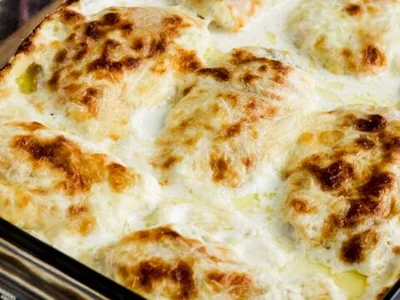
Creamy Baked Chicken Cordon Bleu with Parmesan Crust
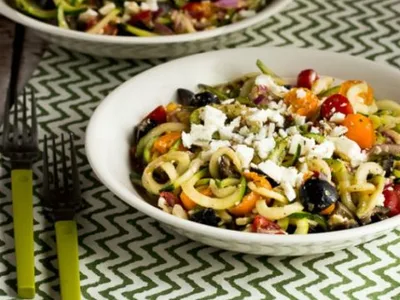
Greek-Style Zucchini Noodles with Feta
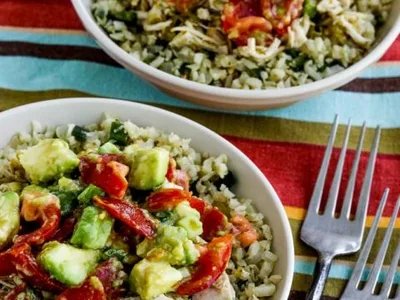
Instant Pot Green Chile Chicken Burrito Bowl
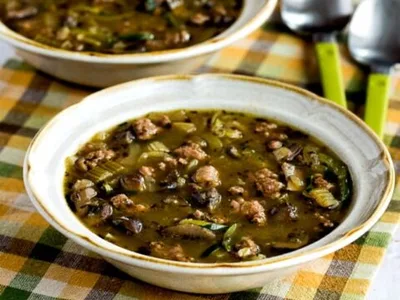
Ground Turkey Mushroom Soup with Zucchini Noodles
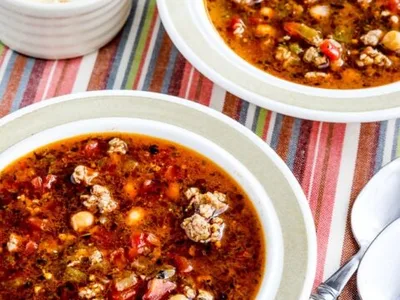
Instant Pot Italian Sausage Soup with Chickpeas