All About Table Salt
Table salt is the workhorse of the kitchen, a fine-grained sodium chloride that dissolves quickly and seasons evenly. One teaspoon weighs 6 grams and contains 2,300mg of sodium. It makes food taste more like itself, balances sweetness in baked goods, and helps proteins retain moisture during cooking. Most table salt contains anti-caking agents that keep it flowing freely.
How to Select
Buy iodized salt for everyday cooking unless you eat plenty of seafood or dairy. Check that grains flow freely when you shake the container. A 26-ounce container costs $1-2 and lasts most home cooks 6-12 months. Morton and Diamond Crystal are reliable brands.
How to Store
Keep salt in its original container or transfer to an airtight jar. Store in a cool, dry cupboard away from the stove. Salt never spoils but can clump in humidity above 75%. Add 5-10 grains of uncooked rice to the shaker to absorb moisture. Replace shaker salt every 2 years as oils from your hands can make it smell stale.
How to Prep
Measure salt away from steaming pots to prevent clumping. For baking, use measuring spoons leveled with a knife for accuracy. When salting pasta water, add 1 tablespoon per quart once it boils. For brines, dissolve 1/4 cup salt per quart of water. Taste as you go when seasoning savory dishes since salt intensity builds.
Flavor Pairings
Salt amplifies sweetness in cookies and cakes, which is why most recipes call for 1/4 to 1/2 teaspoon per batch. It cuts bitterness in coffee and dark chocolate. In savory cooking, salt brings out the natural flavors of butter, olive oil, and eggs. It also helps caramelization when roasting vegetables or searing meat.
Cooking Tips
Salt pasta water to 1% concentration (10 grams per liter) for properly seasoned noodles.
Add 1/2 teaspoon salt per pound when browning ground meat to help it caramelize at 300°F.
Season proteins 45 minutes before cooking to let salt penetrate 1/4 inch deep.
Reduce salt by 25% when converting recipes to pressure cooking since liquids don't evaporate.
Varieties
FAQ
Why do sweet recipes need salt?
Salt enhances sweetness perception and suppresses bitterness. A batch of chocolate chip cookies with 1/2 teaspoon salt tastes sweeter than the same recipe without it. Salt also strengthens gluten in doughs and helps cookies spread properly during baking. Most dessert recipes need 1/4 to 1/2 teaspoon per 2 cups of flour.
How much salt should I use when cooking without a recipe?
Start with 1/4 teaspoon per serving for most dishes. Soups and stews need about 1 teaspoon per quart of liquid. Roasted vegetables take 1/2 teaspoon per sheet pan. Meat needs 3/4 teaspoon per pound. Taste and adjust after cooking since you can add more but can't remove it.
What's the difference between table salt and kosher salt in baking?
Table salt's fine grains pack densely, so 1 teaspoon weighs 6 grams. Kosher salt's larger crystals create air gaps, so 1 teaspoon weighs only 3-4 grams. Always use table salt for baking unless the recipe specifically calls for kosher. If substituting, use weight measurements or increase kosher salt by 50%.
Should I salt food before or after cooking?
Salt proteins 45-60 minutes before cooking so it can penetrate the surface. Add salt to boiling water for pasta or vegetables. Season soups and stews at the beginning and adjust at the end. Salting too early can draw out moisture from vegetables like eggplant or zucchini, so wait until they're half-cooked.
Recipes with Table Salt

BBQ Beef Taco Football Boats with Sour Cream Laces

Instant Pot Creamy Mac and Cheese with Cauliflower

No Knead Double Chocolate Chunk Bread with Cocoa
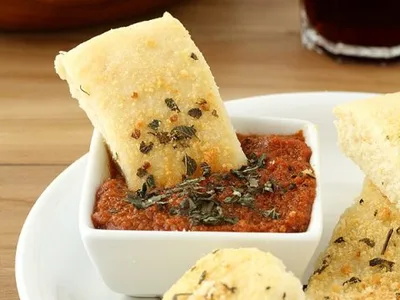
Pizza Hut Garlic Parmesan Breadsticks with Pepperoni Sauce

Soft Chewy Pumpkin Oatmeal Cookies with White Chocolate