All About Thyme
Thyme is a Mediterranean herb that adds earthy, slightly minty flavor to everything from roasted chicken to vegetable soups. Its tiny leaves pack concentrated flavor that intensifies when dried. Fresh thyme brings brightness to marinades and sauces, while dried thyme stands up to long braises and stews. The woody stems release oils when bruised, making whole sprigs perfect for infusing stocks and roasting pans.
How to Select
Look for fresh thyme with bright green leaves and no black spots or yellowing. Stems should snap when bent, not bend limply. Smell the bunch before buying. It should smell clean and herbal, not musty. For dried thyme, choose bottles dated within 6 months and shake to hear leaves moving freely inside.
How to Store
Keep fresh thyme in the crisper drawer wrapped loosely in damp paper towels inside a plastic bag for up to 10 days. Or stand sprigs in a glass with 1 inch of water, cover with plastic, and refrigerate for 2 weeks. Freeze whole sprigs in freezer bags for 6 months. Store dried thyme in airtight containers away from light for 1 year maximum potency.
How to Prep
Strip leaves by holding the top and sliding fingers down the stem against growth direction. For tender tips, pinch off top 2 inches and chop stems with leaves. Save woody stems for stock bags. Fresh leaves need no chopping for most uses. For finely chopped thyme, gather stripped leaves and rock your knife through them 3-4 times. Dried thyme crumbles easily between fingers.
Flavor Pairings
Thyme loves fat and acid. It blooms in olive oil and butter, making it perfect for roasting vegetables and browning meats. Garlic and thyme create a classic base for Mediterranean cooking. Add rosemary for heartier meats, oregano for tomato sauces, or parsley for brightness. The herb cuts through rich dishes like potato soups and stands up to strong flavors like mushrooms and root vegetables.
Cooking Tips
Add fresh thyme in the last 5 minutes of cooking to preserve its bright flavor. Dried thyme goes in early.
Use a 3:1 ratio of fresh to dried thyme. One teaspoon dried equals 1 tablespoon fresh leaves.
Tie 4-5 sprigs with kitchen twine for easy removal from soups and braises. Fish out before serving.
Toast dried thyme in a dry pan for 30 seconds at medium heat to wake up dormant oils before adding to dishes.
Varieties
Need a substitute? See our Best Substitutes for Thyme guide with tested ratios.
FAQ
Can I use the stems?
Tender stems from the top 3 inches of fresh thyme can be chopped and used like leaves. Woody stems are too tough to eat but add flavor to stocks and roasts. Bundle 5-6 woody stems and toss them in your roasting pan with vegetables. Remove before serving. Save stems in a freezer bag for stock making. You need about 10 stems to flavor 8 cups of stock.
Why does my dried thyme taste like dust?
Dried herbs lose potency after 12 months. Check the date on your bottle. Even properly stored thyme fades over time. Test by rubbing a pinch between your palms and smelling. Good dried thyme releases strong herbal aroma with hints of mint and pepper. Replace bottles yearly. Buy from stores with high turnover or order small quantities online every 6 months.
How much thyme per pound of meat?
Use 2 teaspoons fresh leaves or 0.75 teaspoon dried per pound of chicken or pork. For beef and lamb, increase to 1 tablespoon fresh or 1 teaspoon dried per pound. These amounts work for both marinades and seasoning rubs. For whole roasted chicken, stuff the cavity with 6-8 whole sprigs plus half a lemon.
What's the white stuff on my fresh thyme?
White fuzzy growth means mold from too much moisture. Discard the entire bunch. Prevent this by ensuring thyme is completely dry before storing. Shake bunches at the store to check for hidden moisture. At home, pat sprigs dry before wrapping in barely damp paper towels. Gray-white dusty coating on leaves is normal on some varieties and rubs off easily.
Recipes with Thyme

Commanders Palace Seafood Gumbo with Shrimp Crab and Oysters

Loaded Baked Potato Soup with Crispy Bacon and Cheddar
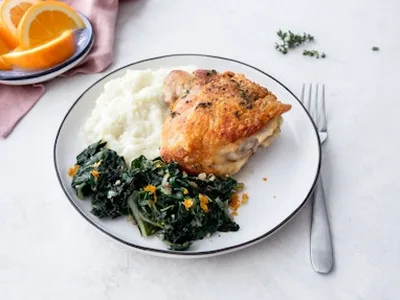
Oven Roasted Chicken Thighs with Spiced Chard and Cauliflower Mash
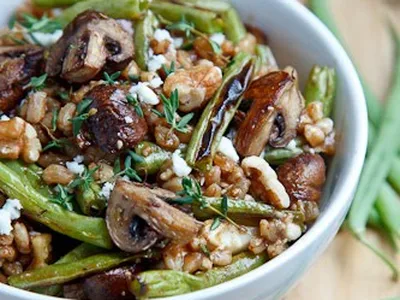
Roasted Mushroom Green Bean Farro Salad with Balsamic

Slow-Simmered Pork Shoulder Stew with Root Vegetables